
This post is a response to a question posed in its complete format: “Why don’t big businesses reduce profits instead of increasing prices when forced to raise wages?|
Never in the history of generating income for oneself has anyone ever said, “Gee… I think I earned too much money. I should give some of it back.”
The answers you’ve gotten essentially echo the above sentence.
For example, many companies, like Walmart, deliberately underpay their people by enforcing tactics like union-busting and denying employees full-time status to permit them to qualify for additional benefits.
What they save on employee costs forces their people to qualify for government benefits. So even if you’re not their customer, you still subsidize their operation through your taxes. Their major shareholders laugh at you and your question.
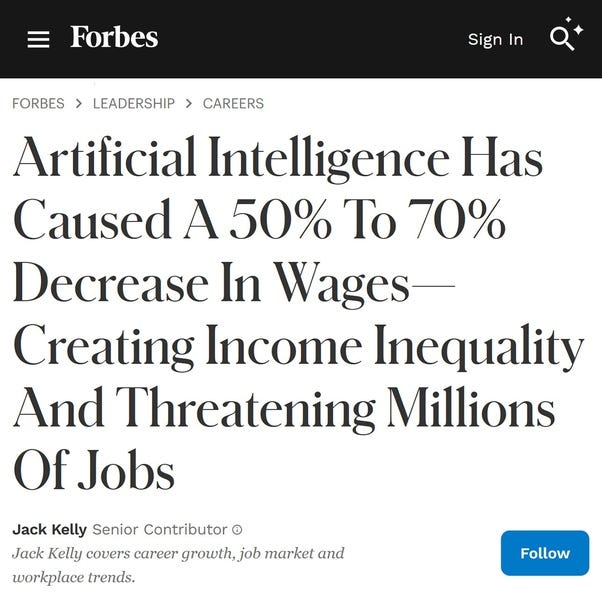
There is no way to solve this problem within the status quo. Even worse, this problem will continue to worsen as technologies in AI and robotics mature while automation replaces jobs to reduce employment costs even further.
The Walton family doesn’t care about how their employees might struggle. Jeff Bezos considers employees dying on his warehouse floor as collateral damage and the cost of doing business. A few thousand dollars toward a token effort to address optics is a low price to pay to force people into running according to the inhuman scheduling they’re forced to endure by filling orders according to a timed system.

Part of the problem with this question is that it presumes wages determine the costs of products that you pay for when that is the furthest thing from the truth. Wages are a minimal determinant in the price of products you buy.
Products are priced at the highest level that a market will bear. IOW, the price of a product is based on a formula applied to the speed at which shelves for that product are emptied. You have probably heard of the phenomenon of “supply and demand.”
The more demand for a product, the easier it is to justify its increased cost. The company knows it will still sell its product but get a higher margin, growing annual revenue and making it more attractive to investors. In turn, its stock value increases, and it appears much more successful as a company doing business in the marketplace. The entire system is geared around pricing products as high as possible while reducing costs as much as possible. The cost of labour is considered the most significant repeat cost of an operation, so it’s always targeted for reduction. Capital costs are written off in tax deductions, so a one-time purchase far exceeding the cost of labour for the year is still cheaper than labour because of that tax benefit.
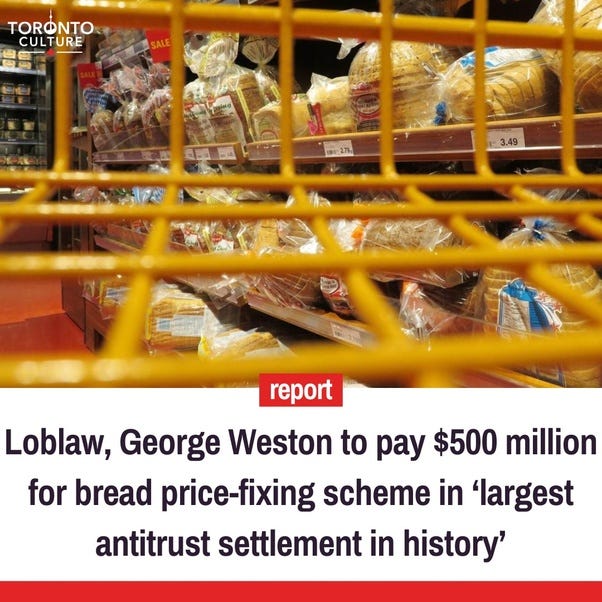
When employers, capitalists, and their flying monkeys threaten higher costs for products due to higher wages, they’re just lying to the public to create the optics that their products require price increases that are functionally unnecessary but acceptable because people believe the justifications that are given. This happened due to the COVID lockdown when companies took advantage of public sentiment to indulge in price-gouging strategies.
Solutions to this and many related problems, such as the persistence and even increase in poverty, involve multiple strategies.
- First, the downward pressure on wages can be addressed by eliminating the leverage of destitution that employers have with employees. Suppose an employment candidate doesn’t like the pay scale offered by an employer. In that case, they currently have a choice to begrudgingly accept being underpaid or face the risk of homelessness, starvation, and premature death. The solution to this problem is easily implemented through a Universal Basic Income. If candidates are free to turn down insufficient wages, then employers are put into a position of being more competitive to attract those they want on staff.
- Corporate structures are an inherently antiquated holdover from medieval organizational structures. Corporations are strictly hierarchical entities that function like mini-autocracies. This dynamic existing within a democratic society cannot be but at odds with the society it operates within. It is in the “corporate DNA” to essentially function as a subversive entity within a democratic society that inevitably plots the demise of democracy and its overthrow to institute an oppressive two-class society of owners and serfs. The solution to this problem exists within worker co-ops.
- Worker Co-ops (continued) Richard Woff is an economist and a professor emeritus of economics at the University of Massachusetts who provides compelling arguments in favour of worker co-ops. — Richard D. Wolff — Wikipedia — RDWolff –
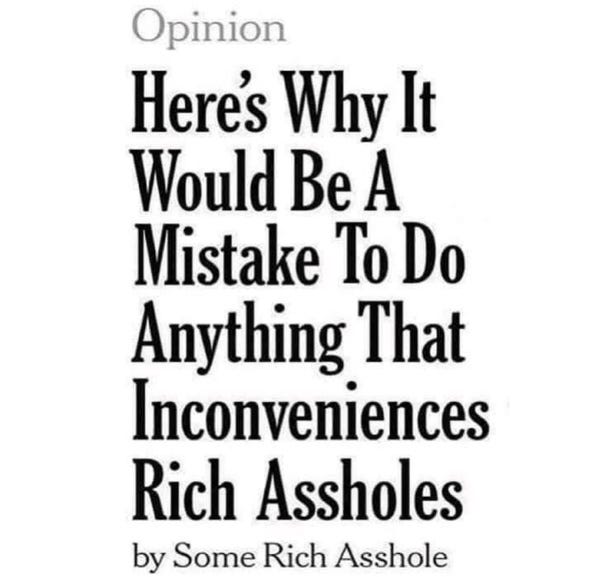
- 4. (Numbering Bullets in this kind of HTML formatting truly sucks the big one) Finally, the primary solution to the greed infesting human behaviour today that functions as a threat to human society is to place a global cap on personal net worth. This is the most difficult of all challenges to implement because it’s already hard enough to have an entire nation agree on something. For the world to develop solidarity in this matter appears to be an unreal fantasy, but it may be the case that Donald Trump and Elon Musk are opening the door for the world to get on board with it. There is no valid argument against it, particularly since the only argument that once held validity — financing large-scale endeavours — is now rendered moot through crowdfunding. The more money that exists in the working class’s hands, the more able the working class can participate in a democratic economy rather than be subjected to the whims of psychopathic power-mongers. We must first drop this delusion that wealth is accrued only by “special humans” who stand above the rest of us. It’s becoming ever more apparent to the public that not only does power corrupt, it is the corrupt and corruptible who are attracted to power.
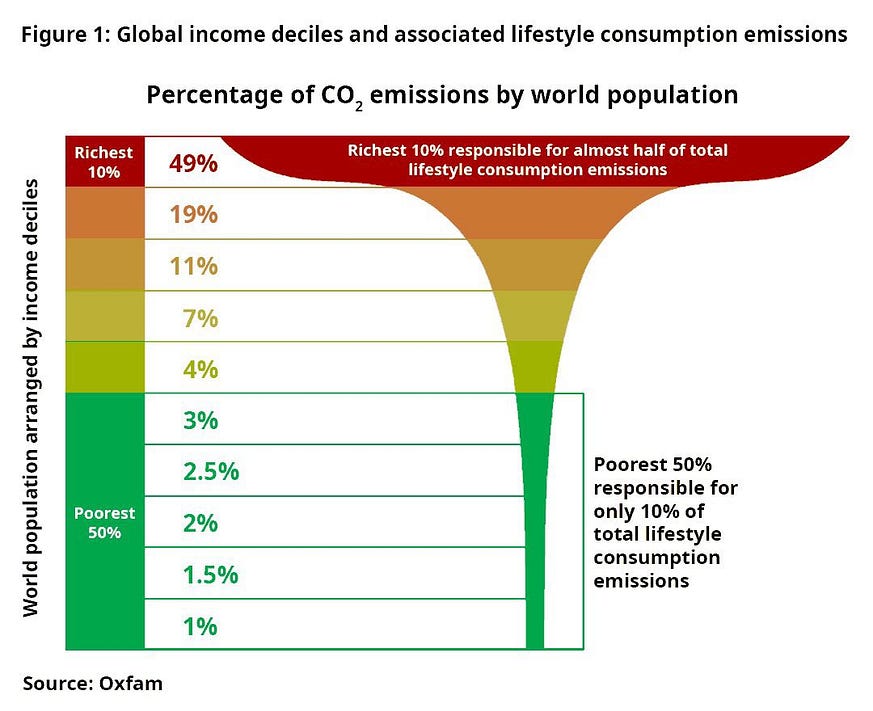
We are rapidly approaching a point of no return in which we will either quickly resolve the problems threatening human civilization or lose the ability to respond to a global environmental threat.
 thotbag