This post is a response to a question posed in its complete format: “How can we ensure AI enhances human potential rather than just automating jobs?”
We don’t need to worry about AI’s promise of enhancing human potential. AI is a multicapacity tool with an endless array of potential applications — most of which we haven’t even begun identifying.
Humans are a creative species populated by people who invent imaginative ways to utilize tools in applications beyond their original design.
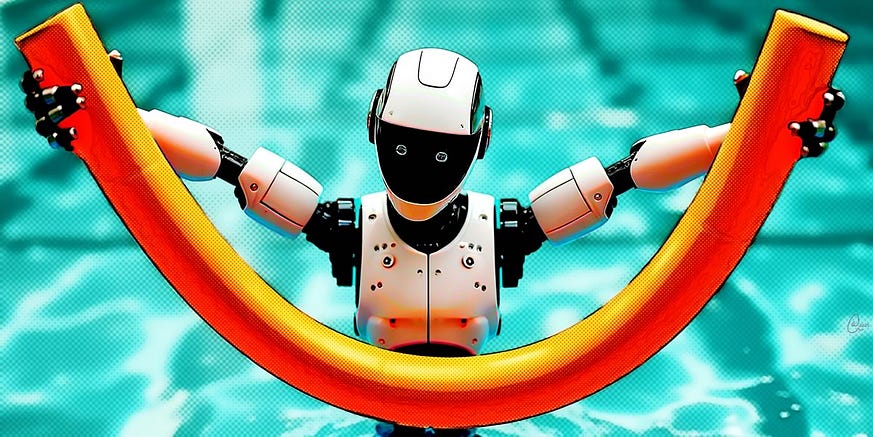
Here’s an example of a floatation device designed for a specific range of purposes:

It’s called a “pool noodle.”
From Wikipedia:
“A pool noodle is a cylindrical piece of flexible, buoyant polyethylene foam. Pool noodles are used by people of all ages while swimming. Pool noodles are useful when learning to swim, for floating, rescue reaching, in various forms of water play, and aquatic exercise.”
It was designed to fulfill a particular niche and for a minimal purpose. Yet, when the product was released to the market, it took off at a level of popularity that well exceeded its intended use.





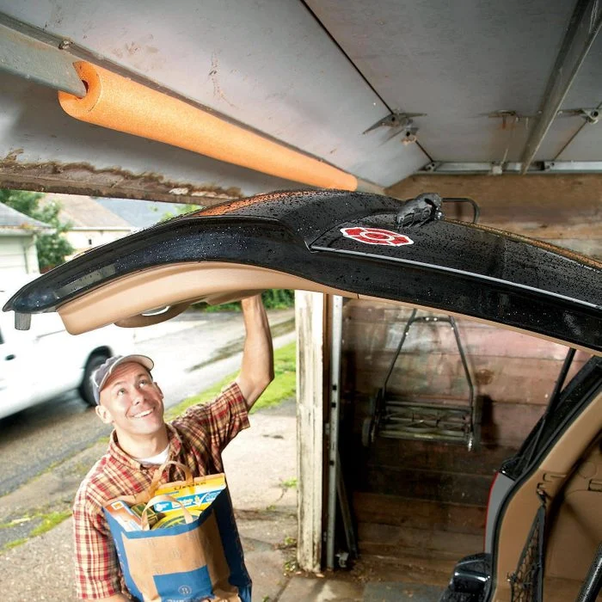
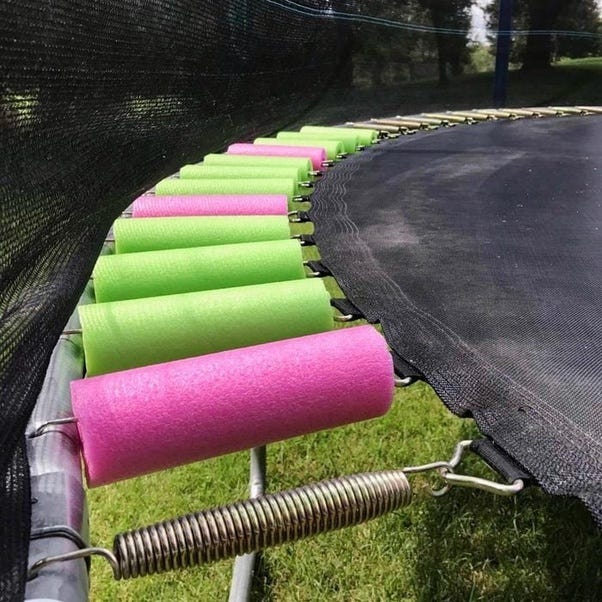


21 Unusual Uses for Pool Noodles
28 Ingenious Pool Noodle Hacks
Pool noodles have hundreds of applications invented by users who have applied some creative thinking to problems they encounter in daily living.
At the time of its design, a simple floatation device could not be imagined to fulfill other needs. It was designed for one purpose that it fulfilled so well that people became familiar with it and began applying its potential toward solving different problems.
We cannot possibly predict how AI enhances human potential without giving it over to humans to invent ways to achieve that potential under their initiative. To refer to AI in such limiting terms as a means of “just automating jobs” is a severe underestimation of its potential and an admission of an utter lack of imagination.
Don’t be too concerned about a failure of imagination, though, because no one can possibly imagine all the uses for which AI will be applied. It’s too big, too broad, and too adaptable to too many use cases for anyone to predict.
AI will enhance human potential; giving humans access is the best way to achieve that.
However, AI’s ability to enhance human potential is as much a threat as a strength. It’s like giving a loaded weapon to a child.
Much more than ensuring AI will enhance human potential, we must ensure that humans have the cognitive skills, emotional development, and psychological stability to utilize AI for beneficial rather than malignant purposes.
AI needs guardrails, but less so around it as a technological tool and more around how humans utilize it.
We should focus significant resources on AI’s development in areas that can improve human development while addressing a severe deficiency in our psychological health. Our state of mental health as a species is our most significant threat, while AI’s ability to enhance that potential is like distributing nuclear weapons throughout a population of children.
 thotbag