This post is a response to a question posed in its complete format: “What happens if all the wealth in the world got distributed evenly to every human being for 1 day? Would we return back to capitalism?”
People would do far better thinking about the system that creates income disparity rather than imagining pipe dreams that would accomplish nothing.
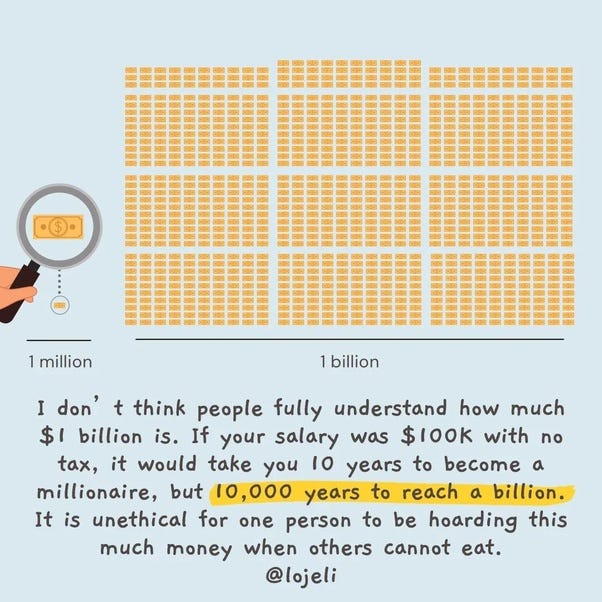
Firstly, redistributing all the wealth in the world equally would not magically create a world of millionaires. For example, if Elon Musk were to redistribute approximately 400 billion to America’s 350 million, they would end up with only $1140.00.
The entire world’s wealth is approximately $454 trillion; if you divide that by 8 billion people, each person ends up with $56,750.00. You can’t buy a house for that in most developed countries. It’s nowhere near enough to make fundamental changes in a person’s life.
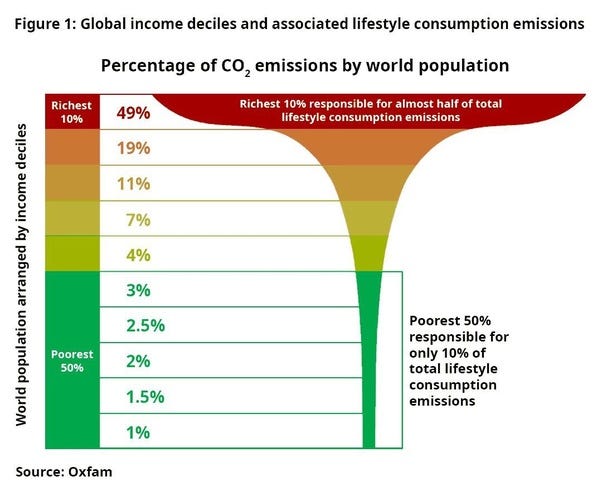
The problem may seem that we have money hoarded by too few people — such that eight people own half of the world, but that’s a symptom, not the cause of the problem. The problem is caused by how money is distributed throughout our capitalist systems.
The problem is caused by centibillionaires and corporate executives earning thousands of times more per hour than the average employee.
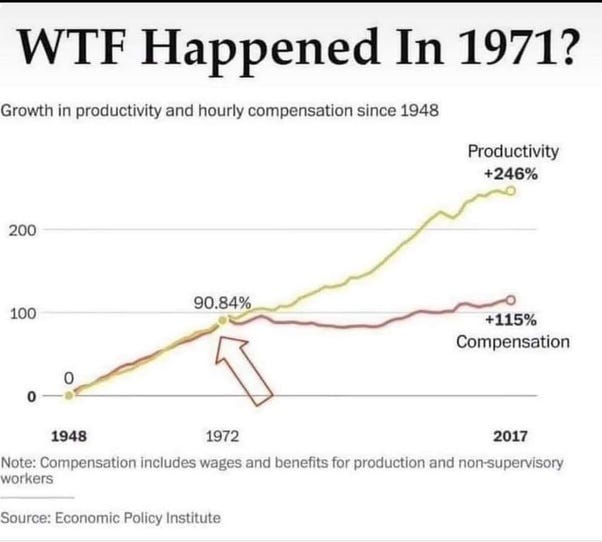
When that ratio was only 23 times more than employees per hour (as it was in the 1970s), more people had disposable income. When most of a population has a lot of disposable income, they buy many more goods and take advantage of many more services, which creates many more jobs and opportunities for self-employed people to sustain themselves. In short, the velocity of money in an economy is much higher — which means cash changes hands much faster than it does today when it’s mostly tied up in significant investments and essentially hoarded by too few people.
This is called a force multiplier in the economy and why the middle class is called the economy’s engine. Everybody wins.
You should ask instead: Why don’t we cap an upper limit on personal net worth to ensure the economy works for everyone? This strategy not only supercharges an economy like a finely tuned vehicle, it also eliminates government corruption. With a global cap of one billion in personal net worth, we could forever eliminate the threat we face by a globalist oligarchy.
We could end a centuries-long class warfare overnight with the stroke of a pen.
We could end poverty almost overnight.
If we were united in solidarity on this point alone.
It may seem impossible, but it would happen if eight billion people decided they wanted this to happen.
Try to think about that.
It would also end wars around the globe.
The war in Ukraine would end overnight.
Vladimir Pukin’, his oligarchic buddies, and all the rich techbros thinking they could reinstall a modern monarchy would be disempowered overnight.
No more familial dynasties. No more Walton family treating their employees like dirt while forcing them to get government handouts because they’re not being paid enough.
No more arrogant stupidity by people thinking they’re better than the rest of humanity that they regard like pack animals instead of human beings.
We would reduce and eliminate many social problems because money would flow freely. People would not be dying from poverty. A child would not be dying every five seconds from hunger. Homelessness would disappear. Altruism and food banks would become moot.
Fight for a global cap of one billion because that’s more than enough to live in bloated luxury.
If we need one goal for eight billion people to rally around, we should make this our goal (along with UBI).
This post is a response to a question posed in its complete format: “Why doesn’t Elon Musk want to save poor people in the world?”
He is saving the “poor people in the world.”
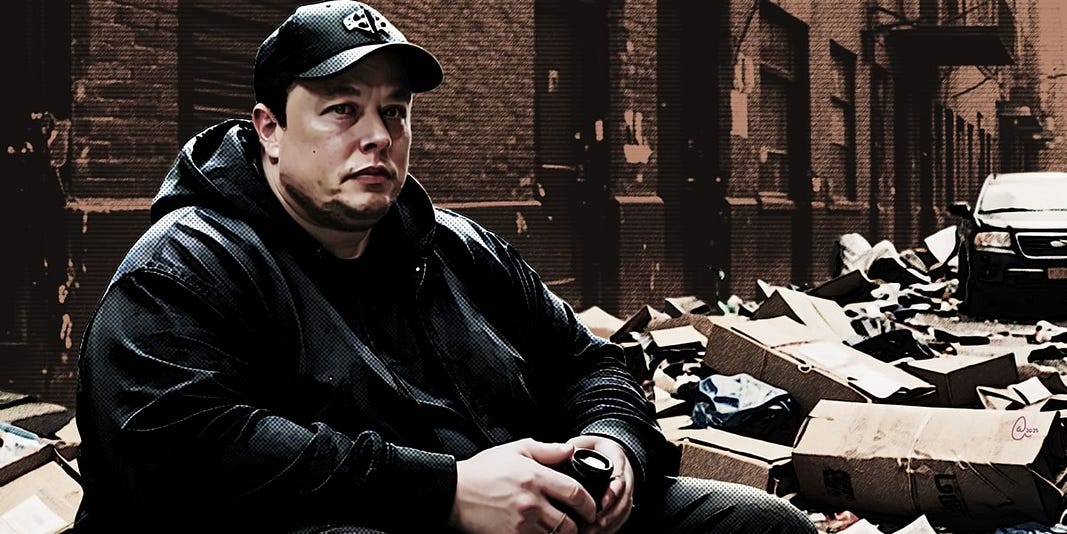
The disconnect is presuming he sees other people in the world as people rather than as objects placed on this Earth to cater to his poor existence.
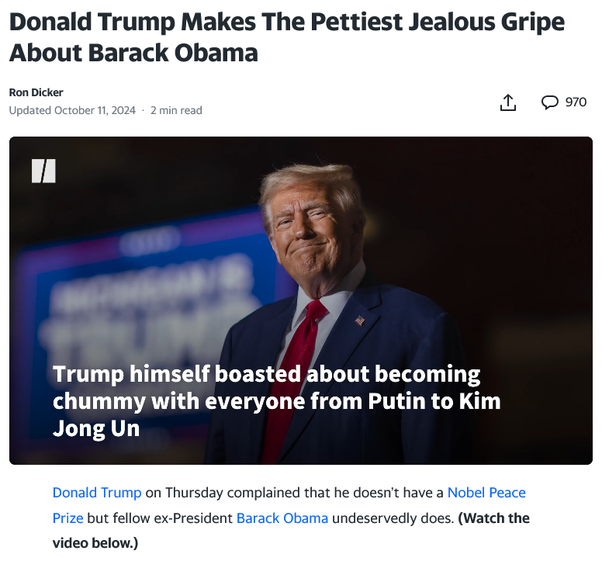
Haven’t you noticed how much whining Trump does about life even though he was born on third base and has destroyed hundreds of thousands of lives throughout his life? After all that destruction, he still views himself as a victim.
Ironically, they’re both victims of failing to maintain contact with their essential humanity.
They will both go to their graves, completely frustrated and confused about why most people hate them.
Sure… they have devoted followers, but those are the easy and gullible idiots to manipulate. It’s not enough because they know the people who challenge them think poorly of them.
The jealousy is why Trump can still gripe about Obama a decade later.
Supporting a hated monster like Trump is the closest Musk will get to camaraderie. Meanwhile, both regard each other as useful idiots to their self-serving causes. Once the wheels fall off in their relationship — and it will because there isn’t enough room on the planet for two competing egos — eventually, one of them will step on the other’s toes hard enough to escalate into an open conflict — we’ll see embarrassing demonstrations that remind us of all the sandbox behaviours we experienced in elementary school.
Sadly, the more Xitter fails, the harder Musk will go after austerity for the little people, and that’s how he will deal with his “poor stature.” Musk is this century’s poster boy for why restraints on personal wealth and power are crucial to the stability of human civilization.
The MAGAts won’t see that, though, because they’re conditioned to desire submission to authorities they’ve been accustomed to worship. They will identify more with Musk’s struggles than their fellow citizens who suffer from Musk’s spitefulness.
Musk is saving the most essential “poor person” in the world, himself.
This post is a response to a question posed in its complete format: “Why won’t rich people just donate a tiny bit of all their wealth to poor people?”
Some of them do. MacKenzie Scott, the ex-wife of Amazon founder Jeff Bezos, has donated over $17 billion to charitable causes since 2019. Our problems, however, can’t be fixed by relying on a few donations by the small percentage who care about other human beings beyond themselves.
People need to stop thinking about ways to guilt the few rich capable of feeling guilt into ponying up on behalf of those who don’t care in the least about the poor as long they shut up and die quietly and out of sight.
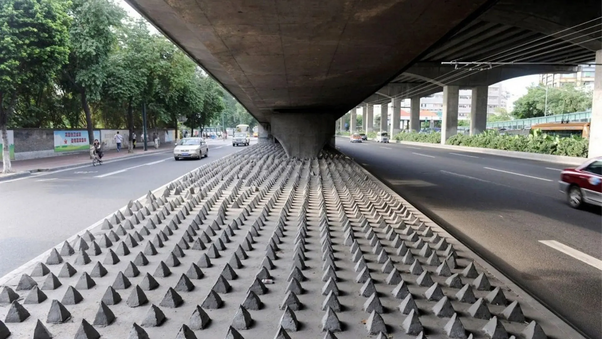
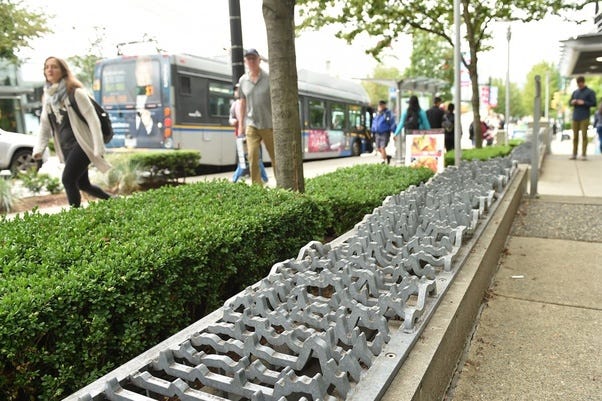
Why do you think “hostile architecture” exists?
A lot of people don’t want to help the poor. They want them gone out of sight and out of mind. They want to blame the poor for creating their conditions of poverty.
They want to think of them as lazy addicts who irresponsibly ruined their own lives.
It’s no different than shaming a woman for her clothes or behaviour for inviting a rapist.
It’s like shaming a mugging victim for paying cash for their drink in broad daylight.
People don’t want to think about why things go wrong for other people because it means dealing with the possibility that things can go wrong for them. If people believed they could also become one of “those people.” many would just give up, while others wouldn’t be able to function past their anxieties.
Although the existence of centibillionaires is a huge symptom of a system so broken that so many poor exist, no one wants to change anything because it means having to do things differently than they’ve become used to.
Look at how impossible it’s been for Americans to adopt a universal metric system — even though it would save them money.
Look at how impossible it’s been for Americans to adopt universal healthcare — even though it would save them money and lives.
People may demand change, but they hate change. Many people prefer complaining about how bad things are to doing something different because they fear change will be worse than what they’ve gotten used to.
My province of BC has had three referendums on electoral reform that would have made our elections more representative of the people. We would have become a more democratic province that more effectively addressed the needs of the people if the people could vote for what they want rather than vote against a change they don’t understand. Even worse, the change is easy to know if one makes a small effort to educate themselves, but they don’t and won’t understand something until they’ve lived it. When people are unsure, they consistently vote to maintain a corrupt status quo instead of voting to change it.
Americans are going to continue voting for corrupt leaders until they realize their lives are at so much risk that the choice is no longer “change or continue suffering” but “change or die.”
That’s where we are right now… or at least, those who refuse to read the writing on the wall will eventually figure out that’s the case when they start seeing the suffering around them can no longer be denied. They will change only when they become more afraid of maintaining a destructive status quo than the change they can’t understand until they’ve made their change.
Rich people won’t give up their wealth, even in part to sustain a failing system until it fails so badly that they start running and hiding for their lives from the mobs who are angry enough to repeat history. They won’t change what they’ve gotten comfortable with, even if it means they’ll end up more prosperous.
This is why “woke” is such an important concept these days — because we are at the stage where a lot of people are sick and tired of screaming “Wake up!” to people who insist on ignoring the threat they’ve become to our future.
The bullying Nazis among us still think they can play their bullying games endlessly while laughing at the “librul” tears they imagine are being shed out of frustration without realizing those tears are being shed because of what comes after those tears… the mourning of having to do what could have been avoided.
The few wealthy people cannot, through donating portions of their money, fix what’s broken.
The system needs to change on fundamental levels enough to force the greedy sociopaths to acknowledge the critical importance of maintaining a universally sustainable social contract. They need to understand the benefit of giving up some of their money to pay back into a system that allowed them to become rich in the first place.
Allowing a small number of elite few to grow hoards is not how to develop a sustainable economy or lift people out of poverty.
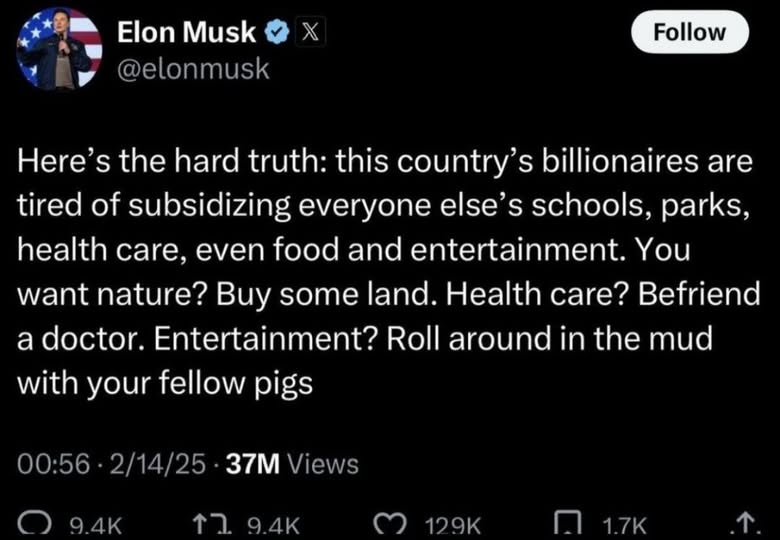
People like Musk know this. They don’t care because they see themselves as entitled to rule over the rest of us like we were herd animals.
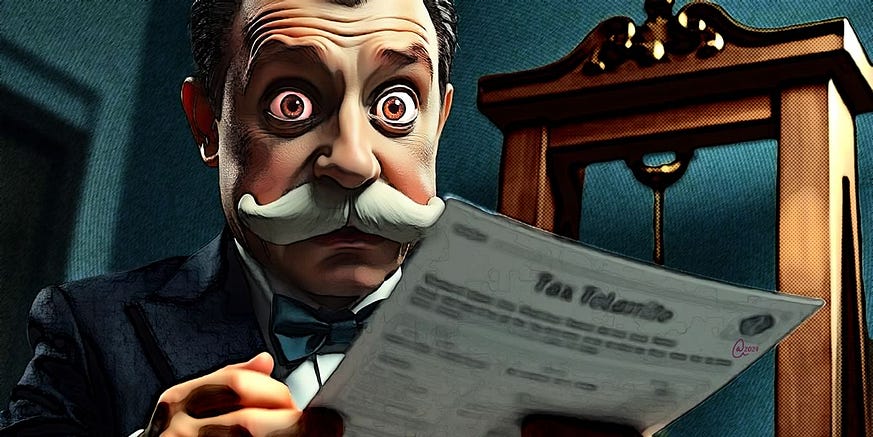
Eventually, someone like Musk will push society far enough for the guillotines to come out and put his head on a pike. He doesn’t believe that’s what he’s inviting into his life. He thinks he is untouchable… just like Trump thinks he’s untouchable — that no one would dare do the unthinkable.
Suppose Trump decides to start a war with Canada, and NATO steps in. In that case, the chances of an American military officer putting a bullet in his head on the brink of launching a nuclear attack against a long-time partner becomes a very real possibility. Just because he’s the “commander in chief” doesn’t mean he has carte blanche to do whatever he wants. Everyone has limits. That’s just life. We must acknowledge that and protect them for everyone, for all our sakes.
We don’t know right now what those limits are and what it will take to cross that one bridge too far… but if or when it does happen, there will be chaos in the streets. We’ll be spending the next hundred years dealing with profound regret while armed with microscopes to examine in micro-detail how it could be that we allowed this nightmare to go on as long as it did.
We will be kicking ourselves with the kind of regret that will change us forever in ways that will horrify us deeply if this happens again. We should be paying attention to how the German people have had to cope with their recovery from the madness that overtook them. We should be learning from history, but 76 million people voted for a repetition, while another 80 million said they didn’t care enough to do anything different but pretend it wasn’t their problem to solve… so they made it their problem and everyone’s problem.
Meanwhile, it’s unfair to the few wealthy who are generous and care about humanity to put the onus on them alone to solve the problems we all have a responsibility to solve.
If that means we have to start punching Nazis to get them to develop enough humility to behave like human beings, then we need to start swinging as if our lives depend on it because they do.
Nothing will change until we take this dystopia seriously enough to deal with the threats we face in the form of hatemongers who feel themselves entitled by God to rule this world.
If there’s one thing we can learn from Luigi Mangione, it’s how overwhelming this problem is and how overpowering the enemy is. They’re not taking any breaks now that they’ve been given the keys to transform the landscape radically. They’re putting the pedal to the metal, and if it means running over millions of homeless people with a bulldozer, then so be it.
They don’t care about the poor. They are happy to destroy the easily victimized among us.
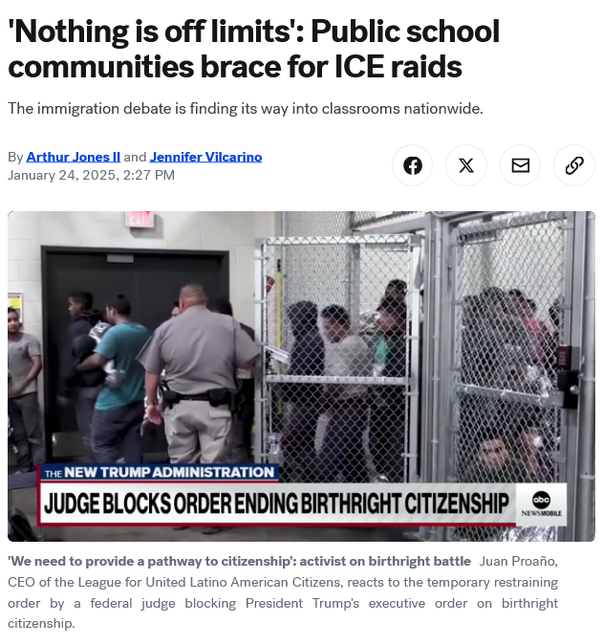
Why do you think they’re starting with schoolchildren?
Setting aside the failings of individuals who make bad decisions and cause problems for themselves, because there is always a tiny percentage of people who need more guidance to make better decisions, the vast majority of people suffering in poverty have done everything right with their lives and are still struggling.
A big part of the reason why that happens is that too many people waste their time wallowing in a misanthropic belief that poverty is due to the victims of it being responsible for creating their poverty and that if they just did something different with their lives, they, too, would be among the wealthy in society.
This myth that poverty is a self-imposed sentence is precisely what the thieves in our lives want the people to believe.
This myth that poverty is a self-imposed sentence helps people to believe they won’t become victims of poverty themselves.
This myth that poverty is a self-imposed sentence overlooks how our culture is geared entirely around impoverishing the majority in favour of the sociopaths who are willing to destroy lives to achieve personal material benefit.
This myth that poverty is a self-imposed sentence is why people become poor and broke because believing this nonsense allows poverty to exist in a post-scarcity world that could easily eradicate poverty overnight — if we could only address the rampant greed corroding the social contract to be the actual cause of poverty instead of shaming the victims suffering unnecessarily in a state of poverty that would not exist if economic justice existed.
There hasn’t been a time in my life where I have not been blamed for the clients who have stiffed me after praising me for doing work they benefited from.
Try to make sense of that.
It’s precisely what Donald Trump does when he calls the contractors that worked for him losers. He put thousands of people out of business throughout his life by not paying them for doing work on his behalf, and as far as he is concerned, it’s their fault.
This question embodies a corrupt attitude that pervades society, and it is this attitude that permits poverty to exist.
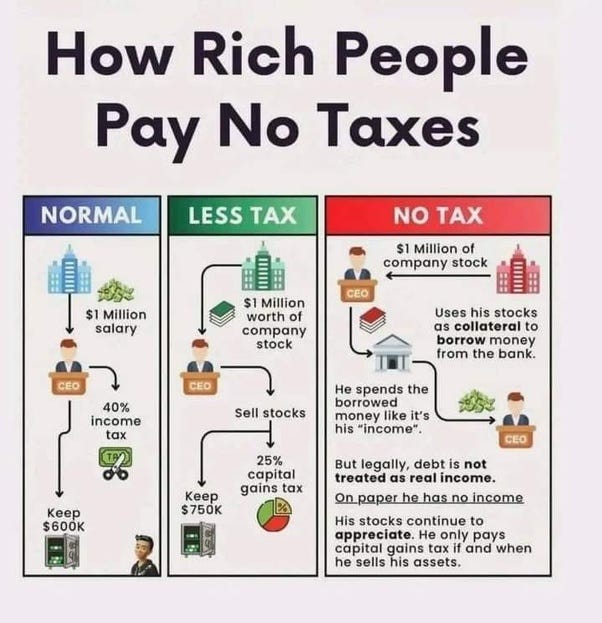
It’s the same attitude that admires how people can avoid paying taxes and envies that ability enough to want it for themselves.
This question enables the attitude of greed to characterize the rot infecting humanity and destroying human civilization because it teaches us to forget that we are all in this together.
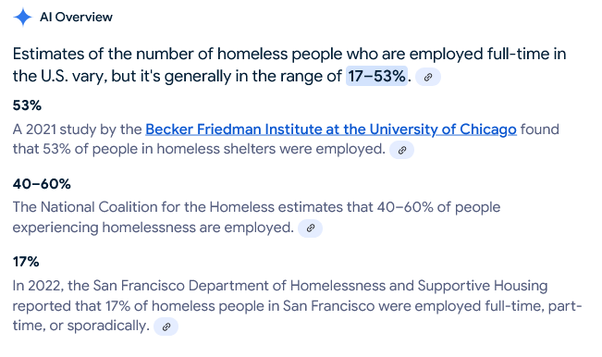
Up to about half the people who are homeless in the U.S. are working full-time jobs.
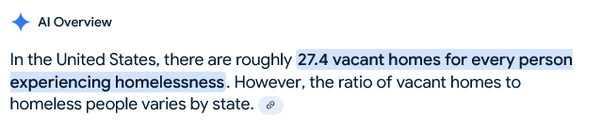
There are over 25 times more vacant homes in the U.S. than there are homeless people.
Try to make sense of that… and then get pissed off about this:
Their options are always limited to housing, which most often includes conditions that would be unbearable for those who take their ability to afford decent housing for granted. Consequently, any time spent with anyone living a marginal life will reveal horror stories most people could not believe were real.
As an example, someone I know had no choice due to prior “accommodation difficulties” (of which this person was a victim of the behaviours of others in this prior matter), chose an opportunity of availability and expedience because neither time nor resources allowed the luxury of shopping and waiting. As a result, a choice was made for a temporary resolution to bide time and save money for something better. The living conditions were rather horrendous as it was a suite within a house (which tends to be what’s most available at the lowest costs) owned by a hoarder who often snooped and eavesdropped while generally inebriated every waking moment — fortunately, not the violent type.
At any rate, this temporary accommodation was six months filled with fun and adventure, ending in an almost surreal form of coincidence. Upon having found another, more appropriate suite in a moderately priced complex and beginning preparations for moving, the owner was found unconscious. He was rushed to the hospital and treated for a heart condition, but since his mental faculties had failed so severely, he was moved into a care facility. Of course, this turn of events meant relocating sooner rather than later.
This person’s new and seemingly stable accommodation required some austerity to maintain a stable and relatively comfortable lifestyle. After the one-year lease expired, the rent increased by its legal maximum. Shortly thereafter, they were informed that the building complex had been sold and that the new owners were considering redevelopment, which may require them to move again.
This is one of the overlooked details of poverty. The lack of stability itself is an incredible drain on resources, which means this approach to living by addressing crisis after crisis over time is psychologically, physically, and financially draining. The consequence is this is just another forgotten example of how poverty is an existence of perpetual punishment for simply being poor while having little to no access to escape.
A harrowing statistic I’ve just recently posted in another answer to another question since answering this question 6 years ago is the number of people who work full time and are homeless.
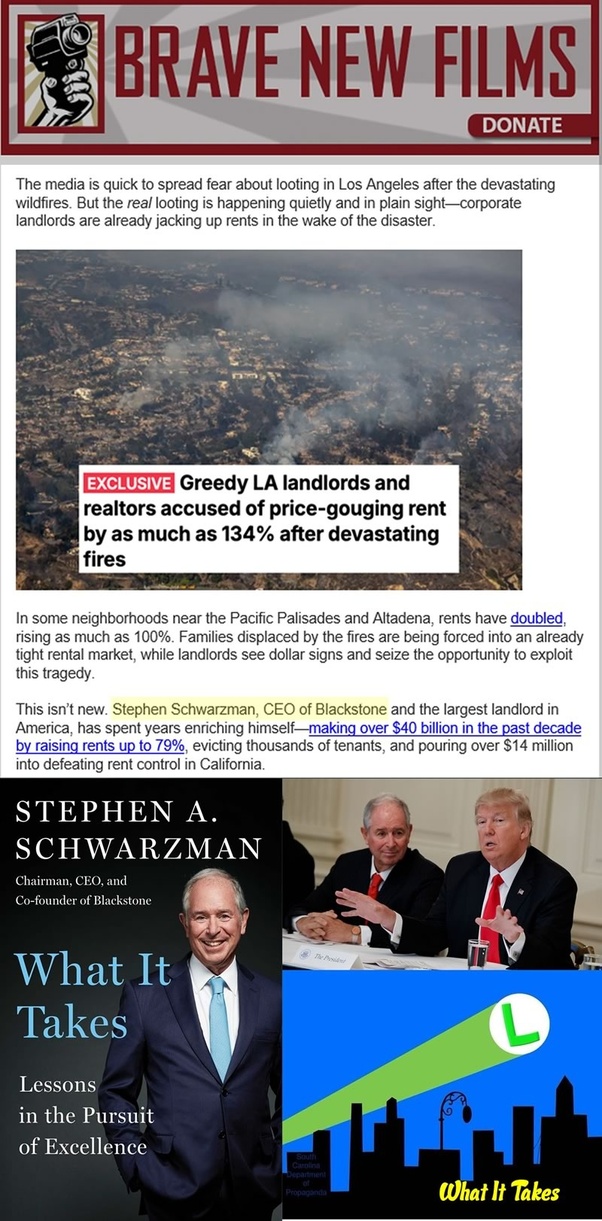
I was also prompted by what’s been happening in California with predatory real estate corporations owned explicitly by Blackstone and headed up by Stephen A. Schwarzman from an email I received from Brave New Films. It prompted me to create a provocative meme to post on Xitter that may be a bit too provocative for some but can’t be ignored as a practice that can only be endorsed by psychopaths who are responsible for the current state of dire straits experienced by victims of theirs.
This is an argument against corporate ownership of residential real estate.
This post is a response to a question posed in its complete format: “Could taxing Elon Musk and other people with massive fortunes 80% be the solution to paying down the national debt in the USA?”
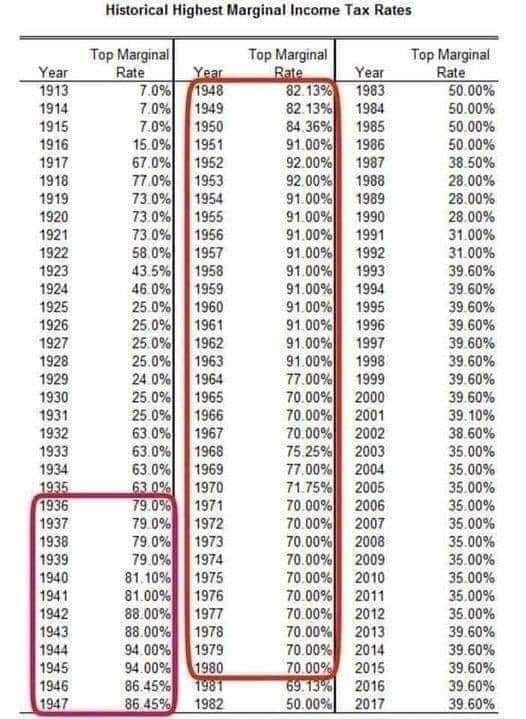
The answer is quite simple and beyond evident to anyone with eyes and a mind that’s capable of connecting simple dots from a simple table of numbers:
Here are a few points to address regarding regurgitated soporifics routinely employed by the enablers in the crowd.
Taxing the billionaires won’t be enough money. — Well… DUHHH!!!! That’s not the point. The point is multifold, but let’s cover some leading characteristics. a. Force Multiplier and b. Speed of Money
A healthily functioning economy is highly contingent upon “the speed of money flowing” through the system — like arteries in a human body. The more plaque there is that obstructs the flow, the less healthy the system is and the more prone to systemic collapse it becomes. The low tax rates that we have now and that we had leading up to the Great Depression encourage hoarding and are a leading cause of numerous social issues guaranteed to result in a dramatic economic collapse — mainly as automation speeds up.
The more money the bottom end of the economy has, the more demand for goods and services, and the more businesses grow in a feedback loop. Even more beneficial to the economy is that when more people have more resources to invest in themselves and their futures, more innovation is introduced into a system that feeds on innovation to grow.
These two concepts alone, together, make up for what the useful idiots who defend the hoarding billionaires who lack imagination for humanity’s future beyond building space penises fail to account for. It is bloody disheartening that trickle-down stars can so thoroughly blind people and make them so addicted to the taste of billionaire orifices to understand how their misanthropic stupidity is the equivalent of suicidal ideation for humanity.
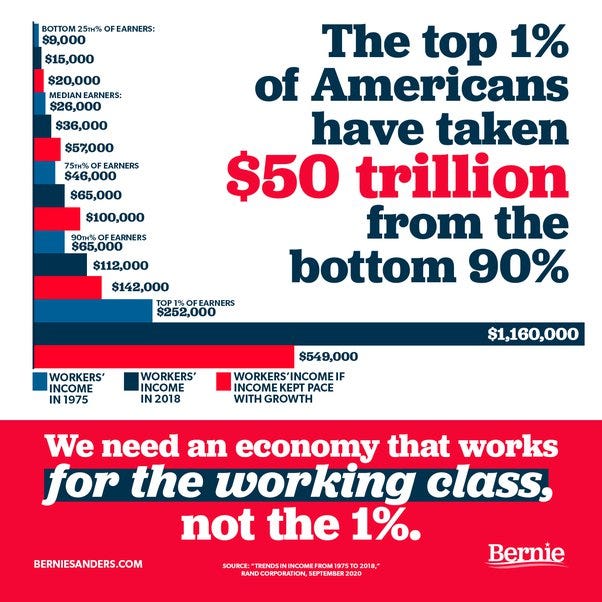
The graphic above screams the economic solution in our faces.
The lower the taxes =, the more unimaginative parasites and predators horde = the more sociopathically stupid they become =, and the more of a threat to our future as a species they become.
We create laws to mitigate the impact of excessive behaviours because we understand the destructive effects of unrestrained freedom on society. We know that if laws don’t exist to prohibit murder, many more murders would occur. The laws don’t end murder, but they function as a valve on society to mitigate and minimize the impact of widespread murder on society.
We create laws to restrain an entire host of issues resulting from the toxic extremes of human behaviour. Still, for some reason, the notion of building dynasties to rule humanity isn’t viewed as the threat that it is… even when the numbers add up to our extinction.
The main reason the billionaires should be taxed isn’t even economic, at least not quite directly the most important. The main reason they need to be restrained is that if they are not, they will destroy human civilization, and they don’t care because they have enough to build bunkers to ride out the apocalypse.
The people answering this question who are defending the atrocities of unrestrained wealth are as guilty of crimes against humanity as the MAGAts who are guilty of treason against the United States.
An astute argument was raised in response to this post that I’ve included here:
One point I would make is that taxing income and taxing wealth are two completely different things. Elon Musk may be worth $300 billion but that’s his wealth, not his income. If we start taxing wealth, be prepared to start paying taxes on the increased value of your house every time it appreciates in value. Politicians that tell you they would set a minimum of $100 million before taxing are telling half truths. They may set a limit initially but over time that can change. The original income tax was 0.5% of incomes over $1 million. How’s that working out for everyone ?
That argument sounds much like the fearmongering cynicism against raising the minimum wage — inflation will go up, or robots will replace jobs.
The reality is that property ownership is not the same thing as stock wealth, and there’s a fix for that — eliminate the corporate ownership of residential real estate.
Furthermore, the number of tax brackets that exist today is an unrealistic reflection of the historic levels of wealth disparity. For example, there are only seven tax brackets today. I checked to see how many existed during more realistic tax assessments. It was strange that learning how many tax brackets existed historically took more effort to identify than my bias believes it should.
This link below shows that in 1952, there were 28 tax brackets. Eliminating tax brackets benefits only the wealthiest in the land. The more tax brackets, the more granular the taxation rates and the less discriminatory tax rates are to the lower classes, and the more progressive taxes become — as they have always been intended to be. As it stands, the radical reduction of tax brackets has just been a means of waging a class war against the little people by allowing them to skip responsibilities that are inherently theirs while redistributing tax responsibility downward.
We have cultivated it by allowing our societies to grow into corrupt monstrosities that people have no choice but to struggle to survive within.
We have placed a physical resource like money at the top of our values and have dehumanized people every step of the way. At the same time, we convert human beings into disposable commodities.
We are dehumanizing ourselves at every level by endorsing a system that devalues the ineffable qualities of humanity because they are not viewed as profitable by industry. Instead, we have ways of further dehumanizing people by leveraging their despair against them with global institutions that dictate dogma to follow without question.
Everything has become reduced to a competition for tentative comforts that bear no intrinsic value or meaning beyond serving the immediate gratification of shallow desires.
None of this contributes toward the growth of those qualities of humanity that we value. None of this brings us together as people in common cause for the betterment of all. Everything is catered toward the propulsion of individuals we stratify with blind worship.
When we replace human qualities we cherish with an avatar, like money as a metric for determining their value, we become divorced from our humanity.
While living in a world that views wealth as an indicator of all positive human qualities, people inevitably start to develop disparaging views toward their neighbours because everyone has been left fighting over the same scarce resources that are left behind by the plutocrats dehumanizing all of us with a system they parasitically siphon of wealth at our expense.
We can only live so long with oppressive conditions before the effects grow out of control and well into making our environments breeding grounds for chaos.
Misanthropy is just an early stage of widespread systemic collapse.
The entire world is undergoing a massive transformation that has steadily escalated in speed and scope year by year for decades. Although the world has constantly been changing, this degree of change is unprecedented.
I remember Alvin Toffler’s predictions on this in Future Shock from when I was a kid in school, and we had the opportunity to watch his documentary in the classroom. Among the many predictions, this rate of escalating change has always stood out for me as a consequence of being repeatedly reminded of it throughout my lifetime. I thought the beginning of the Information Age represented a peak of speed of change, but that was just the beginning of ramping up the rate of change to come.
With great changes come great uncertainty, and that fires up anxiety levels everywhere.
Making matters worse has been the class warfare reaching new peaks of disparity driven by thefts of the working class by the tens of trillions over the last few decades as world politics began shifting rightward.
Before Reagan and Thatcher, many of the democracies in developed nations around the globe still viewed the government as somewhat of an ally, even after experiencing perceived betrayals through global events like the war in Vietnam and Britain’s mishandling of the IRA in Ireland and “Sunday Bloody Sunday.” JFK’s assassination shocked the world. Labour strikes rocked the world.
People were fed up then with disruptive elements and had developed a level of comfort with their daily lives and their expectations for their future that they lost touch with the value of disruptive events like strikes. No one then realized how a disruption to their air travel plans was a positive and necessary event in a healthy democracy when negotiations broke down. The general attitude of entitlement to expectations of service became an easy wedge to force between the public and the labour organizations fighting to maintain equanimity between the classes.
Demonizing government became a path to power within government because the people in democracies began believing corruption was also as endemic to the government as unions. Political systems began being viewed through a cynical lens, while conservative politicians have since leveraged that sentiment to gain political power for themselves.
Regan’s firing of air traffic controllers was accompanied by a cheering public who saw their travelling conveniences disrupted rather than their quality of life being protected. People had begun forgetting almost a couple of centuries of sacrifice in fighting for fundamental rights and protections like weekends off, overtime pay, and healthcare benefits.
Employers had begun implementing progressive strategies for supporting staff, so the protections provided by unions began to seem redundant and perceived as an unnecessary cost for supporting a political organization that often ignored the needs of its constituents. Unions began being viewed as corrupt organizations rather than protectors of the middle class that they helped build and grow.
Conservatives took advantage of this new embrace of the ownership class and cultivated a belief that it was within reach of everyone who worked hard and lived responsibly. The American dream was possible by the beginning of disassembling the structures that gave rise to the middle class.
Reagan’s tax cuts and the heyday of spending, which characterized the 1980s, made it seem like the wealthy were just like everyone else and were equal members of a human community willing to share in the prosperity.
It was easy to support conservative ideology because it seemed the most pragmatic. Even today, people will describe themselves as “conservative” more out of an avoidance of needlessly attracting unwanted and disparaging public attention and appearing reserved than out of an embrace of a political ideology.
When people refer to themselves as “conservative,” they usually do so to appear “normal,” “predictable,” and “approachable,” while those who are not are generally viewed as “erratic” and “disruptive.” This perception is what has made conservativism most popular. It is easy to equate “fiscal conservativism” with sound financial management strategies, even though political conservatives constitute the worst among the worst economic managers. We have had decades of conservatives blowing up debts across every nation they held leadership roles in and are still publicly viewed as fiscally competent.
Conservativism represents an imaginary form of stoicism in which people hunker down and do what needs to be done because that’s the only way to survive adversity.
In times of stress and fear, withdrawing from positions of risk seems generally the safest approach toward surviving adversity. We’ve had countless generations learning to do without to make ends meet. Our forefathers lived during times of scarcity while production efforts scrambled to keep up with demand.
Most people lived independently and without the social support fought for and won by the progressives in society who demanded equitable treatment from the ownership class. They also responded to adversity by hoarding their assets as a survival strategy through adversity. Scarcity was a fact of life until only a few decades ago when our means of production exceeded our demand.
We are already living in an entirely new world, while most people born before the advent of the information age still live as if scarcity were a challenge for the human species. Most do not understand how dramatically opportunities have shrunk for people starting today like they did yesterday. Many, if not most, perceive today’s complaints and social disruptions as a consequence of overreach by attitudes of unearned entitlement.
Many live in today’s world as if it were still the 1980s without realizing how much they once took for granted has been stolen by the ownership class. What they see is increasing disruption to the predictable life and world they once knew, and they seek to blame progress itself as the culprit responsible for their anxieties. This causes people to turn inward in a protectionist strategy for survival.
The attitude of protectionism has been steadily rising while being stoked by conservative politicians as they have cultivated a cynically misanthropic attitude among their supporters toward their fellow neighbours. They take every opportunity to demonize concepts that make people feel uncomfortable and politicize them for personal gain.
Everything about the conservative ethos today has been geared toward hating anyone and anything that can potentially disrupt the sanctity of a predictable existence. Fear and hatred have been the weapons of choice wielded by conservative power mongers, and it works because people respond to threats on a visceral level before they can afford the risk of examining them for their rationale.
Conservativism is a “shoot first and ask questions later” approach to anxiety, and that used to work on some levels in a simpler world with simpler problems. Unfortunately, it only exacerbates the issues we face today.
Fortunately, within the hard swing to the right throughout these last several decades exist the seeds for reversing the course of a political pendulum that has been perpetually swinging to either extreme before being yanked back to an inevitable centre where stability lies.
It may be that we will continue swinging further rightward, but the further we go to the right, the more powerful the backlash becomes. If we find ourselves facing full-blown fascism as a clear threat to our democracies, then we may be in for some seriously chaotic times, but that’s when the voice of reason becomes influential as a guide out of madness.
We desperately need bold leadership that can press for the necessary changes we must make to our systems to ensure our transition into a fully automated society creates minimal casualties, or we will risk warfare. We can no longer afford capitulating gestures because the conservative opposition has been clear that it doesn’t negotiate in good faith. Like all situations with bullies, the only solution to their entrenchment is to meet them on their level and overpower them to such a degree that they relent.
This is the prisoner’s dilemma in game theory, where tit for tat is the only way out of this mess right now. We can face the issues head-on or watch everything collapse, hoping some miracle saves our assets. We are most definitely at a crossroads as a species, and the right appears hellbent on subjugating everyone not approved as core representatives of their tribe.
This post is a response to a question posed in its complete format: “Is it possible that the ability of the Western-style capitalistic system to create great individual wealth will eventually lead to its own eventual destruction?”
I clearly remember my only extended holiday trip out of the country to visit Mexico in the late 1980s — around 1988. It was a fantastic month-long experience I had hoped I would do again within a few years while I was eager to explore the world. I had been living at that point, under the illusion that stability in my income would continue indefinitely while growing year by year as I applied my efforts diligently to what I was doing for employment.
At that point, I worked as an “Educational Counsellor” (according to HR) on the SAIT campus in Calgary, Alberta — a more familiar title for those with experience in post-secondary residence life would be “Residence Life Co-ordinator” — of which I learned many things. In this case, I realized job titles might be universal, but the roles vary dramatically from environment to environment. For the uninitiated, my function was essentially “Community Development,” I wore several hats to succeed in that role while being informed that I had developed — on a green field — the most advanced program in Alberta. I was pretty proud of my accomplishments and still have many good memories from that time.
In my early to mid-twenties, I believed I had developed a firm professional grounding that I could build a successful career for my future. That was less the case than I had hoped because I didn’t follow a defined career prescription and chose to carve out a path unique to my specific interests. There are many reasons for divergence from choosing the road more travelled, but they constitute a divergence from the opening sentence of this answer.
Rather than emulate Grandpa Simpson, I’ll say capitalism isn’t a formula or a universally applicable prescription anyone can follow and achieve great results if they stick to their map. The world I grew up in was filled with people who applied themselves throughout a forty-to-fifty-year stint in a role many hated but stuck with because they had mortgage payments and a family to feed. They could maintain their commitments for so long because the carrot of retirement at the end of their trek meant mortgage-free home ownership.
The first winds of change to that dynamic began to blow around the time I managed to see a small part of the world that was foreign to me. Ronald Reagan was president then, and his betrayals of the working class hadn’t been felt or predicted because the heyday of tax cuts left a lot of cash on the table for people to party it up. It wasn’t until the spend-like-a-drunken-sailor party began winding down that the hangover of austerity began kicking in — then came the dramatic downward slide of uncertain futures.
Lifetime jobs began to disappear as fast as the unions started disappearing.
At any rate, this was all academic to me at a time when I was excited to go on a month-long excursion to an exotic tropical locale that I had been familiar with from books but was eager to experience first-hand. I spent a couple of months in preparation for my trip by learning Spanish as best I could — which was relatively easy for me, having been raised in a Portuguese-speaking household. In several cases, it was more challenging for me to separate the two languages while I spoke. I had to think about my word choices to realize I may have used an unfamiliar Portuguese word when greeted with a quizzical expression.
On the other hand, it was like music to my ears when I heard a Spanish word identical to the Portuguese version of the concept. “Bastante” was such a word that made my heart jump in realization of how much both cultures have in common. The locals seemed to appreciate my efforts at communicating with them in their language and, at times, treated me like one of them. My travelling partner at the time received no such courtesy and was open about expressing her disdain toward this dynamic. For the record, I did try to help her learn the languages alongside me. However, she wasn’t very interested because she felt we would encounter enough English-speaking locals to manage without all that trouble.
Ironically, this was also my first experience with Americans abroad. I learned why many Americans affix Canadian maple leaves to their luggage when travelling abroad. I found it very easy to pick out an American from a crowd in Mexico. This isn’t to say that all were quite so brash and boorish in their entitlement, but every time I witnessed someone behaving in an overtly aggressive manner, it was always an American. To be clear, my point isn’t to trash Americans in general because I’ve known several who are decent people, but we can’t ignore the psychosis plaguing the nation at the moment without lying to ourselves about how much of it has existed for a long time. It had just never been so apparent before the afflicted began donning their colours in a political alignment of hatred as we have now.
At any rate, Mexico was and is a capitalist country, and that’s what this answer to the question intends to address. Of the many things I noted and was in awe of, such as the culture and witnessing with my popped open eyes, and the marvellous artworks of notables like Diego Rivera’s murals, was that the nature of its capitalist culture stood in stark contrast to what I had experienced in the much more subdued Canadian environment.
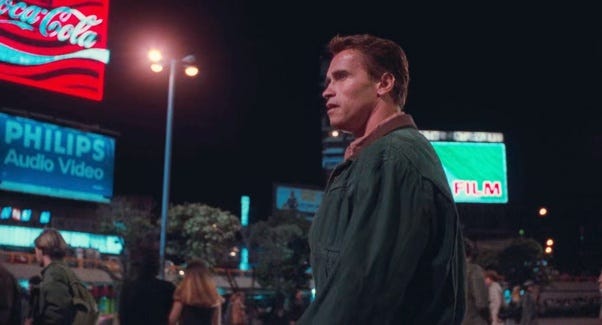
For example, my younger and naive self was quite shocked to see armed guards outside and inside every bank and shop that sold luxury goods like jewelry. This was in the “Zona Rosa” (Pink Zone) in Mexico City — a multi-block area expressly set up for tourist accommodations. Poverty was rampant, and street vendors, known as “ambulantes,” were everywhere outside the Zona Rosa in Mexico City that we travelled who set up tables at the train stations. (I remember being excited to see the Metro Station area we used as our starting point to our daily destinations a couple of years later in the 1990 movie Total Recall.) Walking around Mexico City in parts was like walking through a gigantic outdoor flea market where one could buy from an assortment of cheap electronics, music CDs, and crafts.
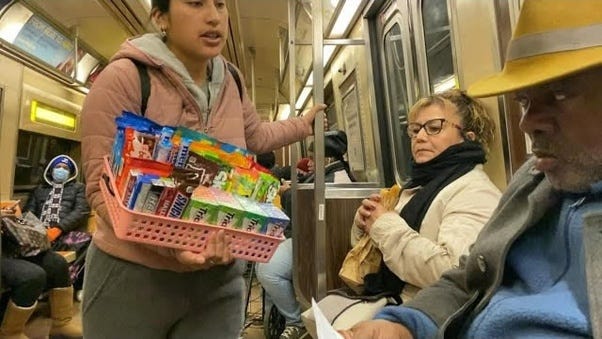
We travelled a lot by bus on excursions outside Mexico City while there for about one week. Each time we boarded a bus or when the bus stopped at locations along our route, three to five vendors wearing strapon trays filled with goods stepped on board to make their rounds and entice people to buy sticks of gum, candy, breath mints, and what have you of small goods they could carry.
(This is a screen grab from a video on a NYC subway that I found while searching for vendors at transit stations in Mexico. The hustle-culture trend from impoverished nations to the south has moved Northward. During my visit to Mexico, this was such a common event that no one responded with the shocked surprise and suspicion seen in this video. There would have been at least two or three other candy vendors on this subway if it had been the Mexico I experienced.)
This was the definition of a “hustle culture” before the term was coined.
Every poor person was a budding entrepreneur.
Mexico was dealing with serious political issues that were mainly responses to the widespread poverty that existed then. I remember hearing news of a Zapatista uprising nearby when we stayed in Oaxaca for a time before arriving at our final destination in Puerto Escondido, a beautiful and secluded beach resort.
At this beach, I experienced my most stark introduction to the world of capitalism through the lens of poverty.
I had been lazily falling asleep under a tree on the beach when I felt something graze the top of my head. I initially swatted away what I thought was an insect, but it continued to flicker on the top of my head. When I opened my eyes to see what was going on, I saw what must have been a barely eighteen-month-old child wearing only diapers and holding a wire coat hanger with handmade bracelets attached to it.
I was pretty confused by the scene as it presented itself to me, and then I saw a woman standing about ten metres behind him with a smile, nodding her head and pointing to the child. That was when I registered that this child was a street vendor in the making and his mother was using him as emotional leverage to make sales.
That’s the image I can’t get out of my mind when I think of capitalism.
Capitalism is a promise made to the desperate to survive that they can succeed if they’re willing to be creative and put in the effort to work at selling either product or themselves to get their material success.
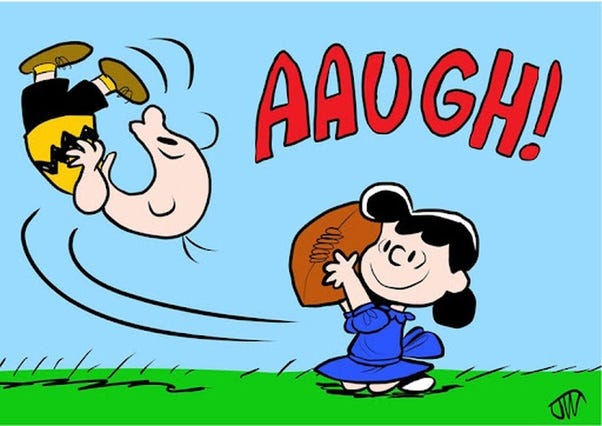
Unfortunately, it’s a promise made by the Lucys of the world to the Charlie Browns of the world that they, too, can kick the football over the goalpost if they concentrate enough and put all their effort into making that magic kick to achieve their dreams.
The desperate to survive have no choice but to play the game while knowing after a while and after having the football yanked away at the last microsecond before each kick attempt that capitalism is a game played at their expense.
There have been too many times in my life when that magic kick was within my reach, and it was yanked away by some greedy sociopath who decided their desires outweighed the needs of the many. Their Lucy attitude was rationalized in the same terms every person who combines psychopathy with manipulation as their vocational strategy for material wealth does; collateral damage is justified as the cost of doing business. If people go bankrupt as a consequence of some decision to benefit personally, then it’s their fault for making a bad choice.
Because we have put no restraints on greed, capitalism will fail, not because capitalism is flawed but because humans are flawed in their social contract-betraying greed. Moreover, humans lack the desire to regulate greed, which has always resulted in the harshest lesson in life, as history has repeatedly informed us and that the Brian Thompsons of this world have been ignoring.
There are many more Luigis among us, and if the perceived solution for the billionaires is to beef up their security, they will also regret not taking the road less travelled… not because anyone wants that. Victims only ever want justice.
“Those who make peaceful evolution impossible make violent revolution necessary.”












 thotbag