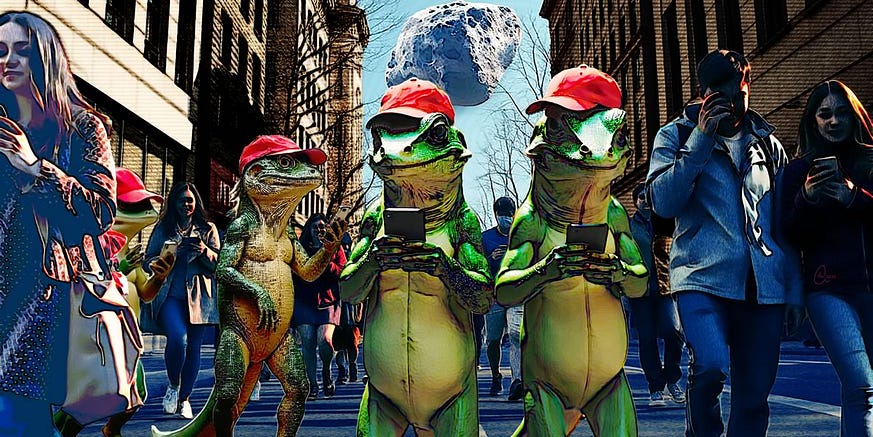
This post is a response to a question initially posed on Quora, and can also be accessed via “https://www.quora.com/Do-you-think-that-society-was-better-before-social-media/answer/Antonio-Amaral-1“
No.
All of the ugliness we see on social media didn’t just magically appear because of social media. Social media is simply a means by which people can express their natural selves. People have always been the way they are on social media. The only difference is that their voices and behaviours were not broadcast to the world.
Before social media, people lived in social silos which enabled toxic people to rule their environments. Their victims had no outside support or validation for their suffering and were groomed to believe they had to accept the toxicity as normal. People have been groomed for generations to believe social reality is immutable, that change is impossible.
We can now see that the opposite is true, and social media helps bring about change.
Social media brings about social change much faster than was ever possible, and that makes social media a solution to society’s woes, not a problem.
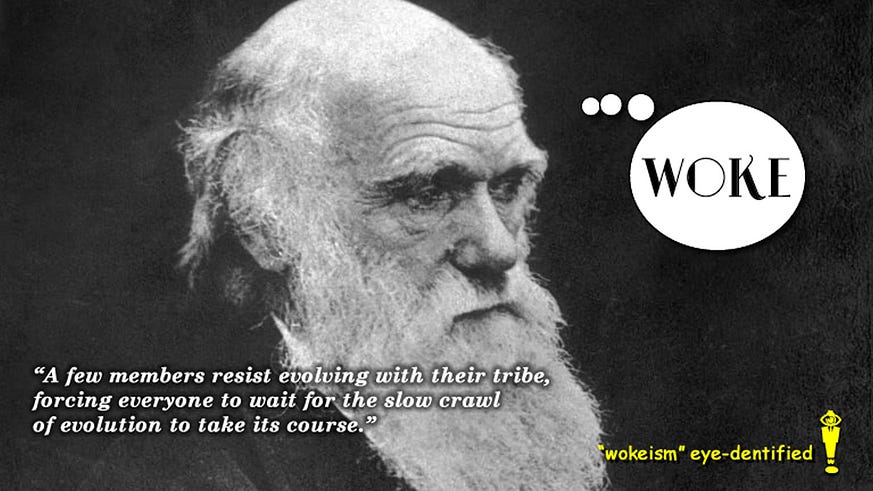
Consider, for example, how concepts like “Woke” are used as weaponized disparagements to enable the corrupt among us to leverage hatred into legislation sending society back into the dark ages.
Fifty years ago, and before social media, similar terms like “tree hugger,” “do-gooder,” and even “liberal” were terms of disparagement in which whatever little media attention was given to them existed without pushback from a public rejecting the toxicity. “Politically incorrect” was such a term that took hold as a disparagement before social media, and it is now widely accepted as a negative characteristic in society.
The pushback it received wasn’t magnified like “woke” has been through social media. Consequently, the attempts made to weaponize “woke” like all disparagements which began with positive connotations haven’t succeeded at converting “woke” into a negative. “Woke” is now a term that backfires onto those who try to use it as a disparagement. Through pushback on social media, “woke” will reassert itself as a wholly positive connotation. In contrast, those who invoke stupidities like “woke mind virus,” and “go woke go broke” will increasingly become viewed as enablers of toxicity much like the red alert beanies in society have become.
This represents tremendous progress in the fight for human decency on how we perceive concepts and how they frame our interactions with the world.
It’s almost quaint, now, to think of “do-gooder” as a bad thing to be called; and to such a degree that if someone is to refer to someone else as a “do-gooder” today, they sound like sociopathic idiots. That conceptual lifecycle is what has happened now with the term “woke.” It’s taken a fraction of the time for the implications of the word to settle into our public consciousness within the context it originally conveyed.
Being called a “do-gooder” fifty years ago meant one would retreat in embarrassment, but now, the accusation garners confusion. The person who hurls that accusation appears like an idiot.
In contrast, “woke” became popular less than two decades ago. It appeared as a positive connotation that the toxic among us attempted to weaponize like they have with every positive connotation in society. Within a comparatively short time, people who weaponize “woke” are already being regarded as toxic idiots.
Without social media, the weaponization of “woke,” and the legitimacy of concepts like “woke mind virus” would have been accepted as valid disparagements in which those are “woke” would retreat from social discourse because they had no outside support.
Arguments and counter-arguments flitted about in geographically isolated silos and never managed to spread from community to community. The consequence was to cultivate localized and insular community values. Social media cultivates community values across the globe. Social media breaks down the silos, and the barriers of distance between human beings and empowers those who must face the bullies attempting to corrupt positive values in society.
The best weapon against bullying is social media because of this. It’s also a megaphone for bullies, but they’re outnumbered by those they victimize and they are generally stupid people.
For example, the best thing that Trump could have done was to have that media circus of bullying Zelensky. He claimed, during his ego masturbating rant, that he “let it go so long” for a purpose suiting his goals, but it backfired spectacularly.
He and Vance were viewed as the bullying thugs they are and I’m sure this will be a watershed moment for many who have blindly supported Trump. Many people, if not most of us, have been exposed to bullying and the thing about bullying, is that the victims of bullies never forget.
Social media is community development on steroids. The problem with social media, however, is that it is predominantly operated on a for-profit basis, which makes it impossible for social media to cultivate positive social values deliberately and strategically.
Community development on social media occurs organically and within a chaotic environment. The fact that we can progress on issues through this chaos is a testament to the human spirit. No matter how the toxic people among us make life difficult for the rest of us, we are pushing back and succeeding in gaining ground on establishing a baseline for decency. It may occur glacially in contrast to what would be possible if a publicly owned and operated, not-for-profit social media environment existed within and to compete against the for-profit model.
We are, however, succeeding in making “woke woke again”.
I’m sure many people would quickly gravitate to a much safer environment where they could trust that their personal information wasn’t being mined for profit.



 thotbag