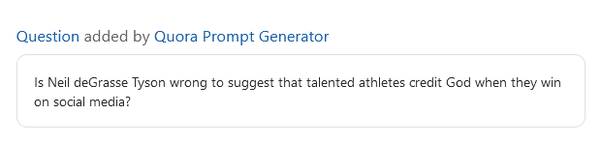
This post is a response to a question posed in its complete format: “Is Neil deGrasse Tyson wrong to suggest that talented athletes credit God when they win on social media?”
I think there is something severely wrong on so many levels that it’s impossible to address them without an entire book and a lot of research to identify the dynamics of a business decision justifying the dissemination of lies in society to stimulate engagement and generate revenue.
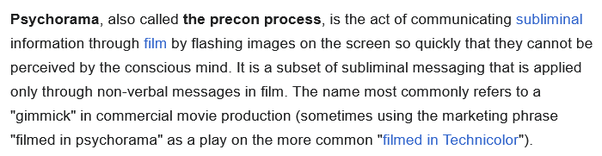
This is horrifying on so many levels that it insults every aspect of humanity, human society, and the social contract. This contributes to the widespread decay and ultimate destruction of civilized society on the most malignant levels. This crap is worse than the stage of “subliminal seduction” we went through in the 1970s when laws were crafted to prohibit embedded “invisible messaging” within entertainment media.
Neil deGrasse Tyson has never suggested any such thing, and although it’s easy to attribute this claim to a believer on a mission of Lying for Jesus, it’s not. This is even worse than a believer trolling for reactions by lying.
For non-Quorans: This screengrab indicates the question author, and in this case, the question was written and posed by a bot designed to stimulate engagement on this social media site. This is a common revenue-generation strategy employed by media outlets across the board. Fox Entertainment, for example, has built its empire entirely upon this toxic revenue generation model.
Targeting information appealing to the limbic system is like serving up crack to a heroin addict, and that shapes the society we are cultivating by allowing this practice to dominate media. The effects are profound.
Not only does this represent an abysmally immoral strategy for generating revenue, but it’s also a strategy that furthers a divide between people in a society already at the edge of fracturing into chaos. This strategy for engagement is ultimately a violent assault on our social contract and is responsible for the dramatic divisiveness characterizing our social dynamics today.
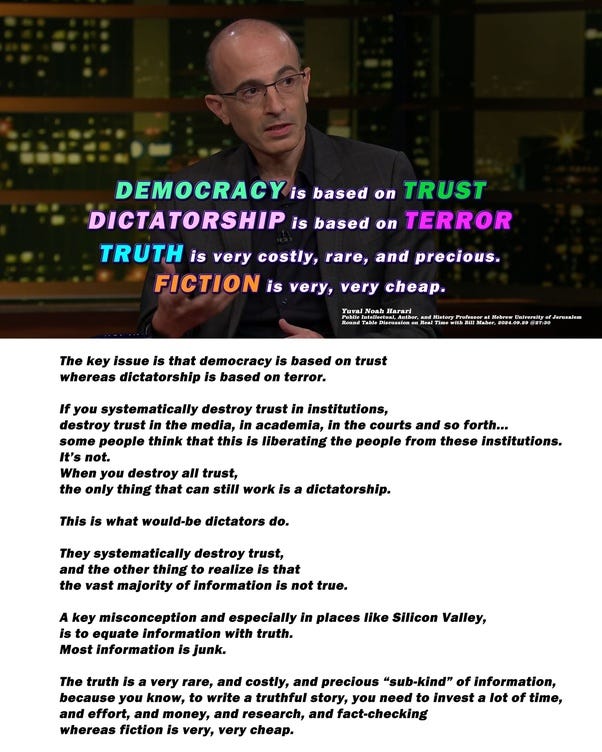
This precisely reinforces the post on my Thotbag space, citing Yuval Noah Harari’s statements during a round table discussion about the threat democracy itself is facing. Here is the meme I posted that includes his full text:
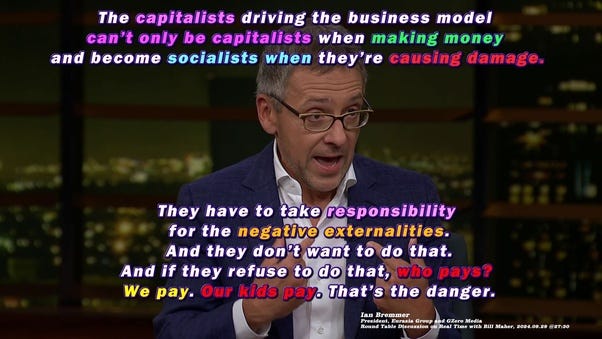
Along with Mr. Harari’s warning, Ian Bremmer pointed at the problem this divisive, conflict-escalating disinformation creates for society:
This fraudulent question is worse than Quora violating its own, now primarily defunct BNBR policy; it’s an assault on human decency on the most corrupt of levels for the most corrupt reasons.
This should not be disturbing only to atheists who fight back against a daily assault from believer trolls seeking to provoke emotional reactions. This should be disturbing to everyone who cares in the least about things like integrity and the social contract that has never been strained to such a degree as what we are living with today.
If society collapses into chaos — If people’s lives are unnecessarily lost because we can’t or won’t back away from the cliff we march toward — Then this kind of manipulative nonsense perpetrated upon us all for the sake of profit will be responsible for the nightmares ahead that we are about to encounter.
This is central to my argument on why social media should not be operated on a for-profit model. Social media is a community development endeavour, and we must consider how we approach its role in society more thoroughly than consigning personal information to a feeding ground for mining material profit.
That we are being strategically and systematically provoked by algorithms to hate each other should horrify all of us.
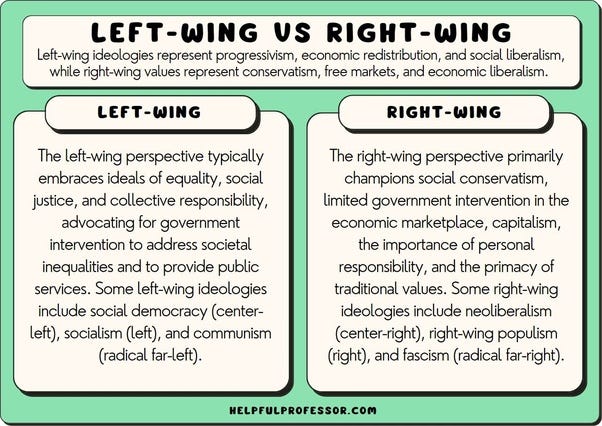
This post is a response to a question posed in its complete format: “What political ideology is socially progressive but still capitalist?”
People are socially progressive or regressive, not ideologies.
Ideologies are wrappers around the contents of similarly aligned people who share a common set of values, beliefs, and ideas for how political processes occur and how commonly beneficial goals are achieved by working together.
Ideologies are not static entities like moulds that immediately shape a person’s thoughts once inducted into an ideological grouping.
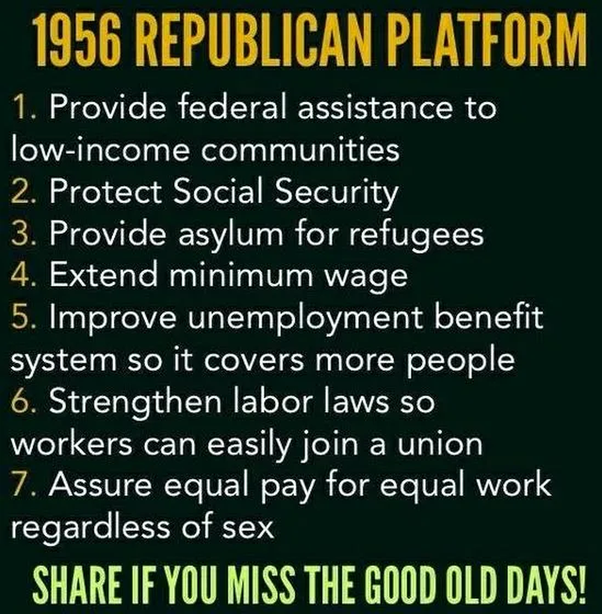
Ideologies are dynamic and ever-changing as people change. Here is an example of how much an ideology can change:
(For the “fake news people,” here is a link to the Snopes article giving this platform a rating of “mixture” — 1956 Republican Platform )
Regardless of the accuracy of the above platform, it’s pretty clear by the Project 2025 platform that it has significantly evolved.
People define and shape ideologies, not the other way around.
Today’s Republicans are not Abraham Lincoln’s emancipation championing Republicans. Today’s Democrats are not the Dixie Democrats of less than one hundred years ago.
Liberalism has undergone many varied manifestations as if it were Christianity, endlessly spawning new denominations.
This question, however, flips that script around and becomes something pretending to be an ideology but is, in fact, something much uglier and evil. This question presents an ideology as if it were a costume to wear in a performance following a script dictated to members like a cult.
Ideologies are also not capitalist. People are participants in an economic system referred to as “Capitalism. Each person views aspects of Capitalism that align with or run contrary to their politics. Since economics comprises a core component of political systems, varying interpretations of Capitalism’s’ role in society also form a core component of alignment with an ideological identity.
In short, almost all political ideologies incorporate interpretations of Capitalism within their ideological construct. Hence, you have answers extolling varying ideologies that all claim to be capitalist.
Like religions, however, each pretends to represent the “one true God (of Capitalism).”
If one were willing to stretch the definition of Capitalism beyond its commonly accepted uses, then even Communism could be considered a “capitalist ideology” because capital is essentially a store of value directed toward creating infrastructure for facilitating trade. Communist systems conduct trade within their systems.
After having said that and freaking out some hard-core capitalists, let’s track backwards and identify the typical distinction between Capitalism and “not capitalism.” That definition hinges on ownership of the means of production. In Capitalism, ownership of factories is held by private entities. In a communist economy, factories (production environments) are owned “by the people.”
Ironically, however, an argument often used to extol the benefits of Capitalism is the ability of the people to buy into a capitalist venture through a process called “share ownership.” Functionally, this renders the distinction between Capitalism as we perceive it and Communism as it was conceived as moot.
Communism failed because centralized authority was unable to meet the needs of the people. Capitalism is undergoing a late stage that is rapidly descending into failure for the same reason of consolidated power and centralized authorities.
The only salient differences between the two systems are how power is distributed and who is conferred power by what process that conferring of power occurs.
In summary, we would be far better off focusing on power instead of worrying about ideologies and which one wishes to identify with as their favourite team. We should be far more concerned with who has power in society and how much power they have.
If we genuinely want to live in a free society that we typically call a “democracy,” then we desperately need to adopt an ideology which “worships the flattening of power.” We must adhere to principles in which power is spread like peanut butter to all people.
The only power that truly matters in life is the power to choose how to live it.
Freedom is living one’s life in a state of maximum opportunity and diversity of choice within a shared environment. A critical factor in the success of an ideology is the acknowledgement of how we are all in this together. Only together can we survive into a future that lasts even half as long as the dinosaurs did.
This question represents a severe disability in one’s comprehension of a democracy.
It’s an attitude very much like what Elon Musk displayed when he thought suing advertisers for abandoning his increasingly Nazified platform was justifiable.
It would be like walking past a McDonald’s restaurant and getting fined for not stopping in for a burger and fries or not agreeing to make an additional purchase after being prompted by their upselling suggestions.
Imagine being charged double on your meal because you didn’t want to pay extra for a hot steaming pile of sugar called a “pie.” This cartoon scenario represents the same level and quality of entitled thinking in this question.
No one is obligated to go along with their party in a democracy. Being a political party member is not indentured servitude unless you have no self-respect or ability to think for yourself. You are admitting to your willingness to accept life as a baby bird whose mouth yawns open to await the trickle-down meal of mental stimulation to determine how and what you should think.
How is that a democracy in your mind?
It’s not.
How is that not a grotesque degree of abdication of your free exercise of will?
It’s a betrayal of everything we have had the luxury of enjoying because our forefathers sacrificed their lives fighting for and dying for the right to dissent from their party.
Anyone who steps away from a party is sending the most potent message possible that that party no longer represents their best interests.
The last thing anyone owes a political party is their loyalty.
Genuinely considering oneself a patriot who loves and is dedicated to freedom means protecting one’s integrity and family, friends, and community by walking away from a corrupt party. That’s not a defection but a courageous act of patriotism.
As terrible a VP as Mike Pence can be considered, he at least redeemed himself by showing the courage of a true patriot with a love of country.
Colin Powell may have royally screwed up while serving in the Bush administration, but he is not a defector. Colin Powell represents one of the most loyal patriots the Republican party has had in decades.
If your party cannot put the needs of the many above the desires of the few, then your loyalty to your country demands you to walk away from them.
Yes… that line was a direct ripoff of a very familiar source of inspiration for what defines us as humans. Even you must be able to recognize a universal truth in whatever form you encounter it. You cannot be a human who cares about creating the best world for all of us without acknowledging universal truths.
If your party no longer works to represent your best interests, then the only way you can be a freedom-loving patriot is to turn your back on that party.
If you think that people who walk away from their party are being disloyal, then that makes you disloyal to everything you claim to believe in and value.
If you can’t support a party member’s right to walk away, then that makes you a fascist.
If a party expects loyalty to whatever platform it concocts, then they are not a party that values democracy or freedom.
It is the party that must conform to the demands of their people. It is the party that must permanently relinquish power to serve the needs of its people properly. It is up to the party to adjust its platform to acknowledge what the people want and need. It is up to the party to represent their people, not vice versa.
The thinking embodied within this question is the core of the rot that makes an American style of democracy so vulnerable to enemies foreign and domestic.
If you genuinely want to fight for and protect your democracy as a patriot, then you must fight against a two-party hegemony.
You should demand complete electoral reform to eliminate the kind of corrupt thinking this question represents. It’s abhorrent that people have reduced a public dialogue into a mindless cheerleading competition.
The only people who win that game are the nation’s enemies who seek to usurp its power.
You should consider people like Colin Powell and Liz Cheney among the bravest members of your party because they are not afraid of the consequences of sacrificing their political influence and benefits for ideals that transcend petty politics.
The kind of thinking which embodies this question is what created concentration camps and gas chambers less than one hundred years ago.
This kind of thinking has been responsible for repeating that ugly history, and it’s already at the stage of recreating concentration camps.
How much further must we venture into this nightmare before people realize the horror they invite as a stain on their person and the burden of profound regret they will carry to their graves?
Of course, peace is always possible. The challenge is making it desirable enough for all parties to commit to making it possible.
Peace is otherwise impossible when one or more parties refuse to accept compromise as the only path toward achieving any form of peace, whether temporary or lasting.
We have to accept the reality that some people are so broken they would choose to burn the world to ashes rather than give up their power or relinquish their power designs, and so that means the only path to peace is through the destruction of those types. Sadly and ironically, the argument of an escalation of conflict as the only path to peace is validated by the entrenchment of those who endorse imposition as their means of achieving peace through subjugation.
For some people, reason as a path to peace is rejected in favour of catering to hubris. Sometimes, people are so confident in their ability to overpower those they believe entitled to victimize that they will adamantly reject compromise even upon their final breath.
Peace requires giving up at least some of one’s power, while conflict escalations are almost always about exercising, protecting, or expanding power.
It is easy to become cynical in a world filled with so much violence that there has never been a period in human history where wars have not been waged, at least somewhere on the planet. It’s easy to think humans are an irreparably self-destructive species, but that’s a perceptual choice.
The reality is that although our species has never been “war-free,” humanity has predominately existed in a state of peace. Most people are comfortable with enough personal power to live peaceful lives.
However, a small percentage of humans are unsatisfied with that level of personal security and require much more power to quell their insecurities. Their antics are far more successful at capturing public attention because conflict is like a drug that enraptures people’s imaginations, while peace is boring. With this skewed mindset, it’s easy to believe peace is impossible.
To make peace possible on a universal (or global) level, we must address the fundamental elements giving rise to conflict, which begin with addressing factors that undermine psychological health. It’s a massive task that is conceptually simple but logistically impossible today. Whether we will mature enough as a species to achieve optimal mental health sufficiently to mitigate the aggravating factors for conflict escalation is a toss-up. We are currently on a trajectory toward extreme aggravation and conflict escalation that could dramatically reshape the human landscape.
It isn’t very comforting to contemplate how we might survive our challenges over the next few decades. If we can maintain most of the trappings of modern democratic society, our experiences will encourage systems that can address our psychological issues in healthier ways.
I want to believe that once we emerge from the other end of the dark tunnel of regression we have entered, we will be much closer to reaching a new bar for global peace.
This post is a response to a question posed in its complete format: “Why won’t rich people just donate a tiny bit of all their wealth to poor people?”
Some of them do. MacKenzie Scott, the ex-wife of Amazon founder Jeff Bezos, has donated over $17 billion to charitable causes since 2019. Our problems, however, can’t be fixed by relying on a few donations by the small percentage who care about other human beings beyond themselves.
People need to stop thinking about ways to guilt the few rich capable of feeling guilt into ponying up on behalf of those who don’t care in the least about the poor as long they shut up and die quietly and out of sight.
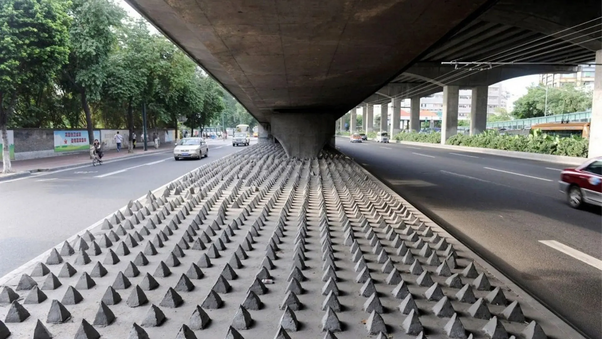
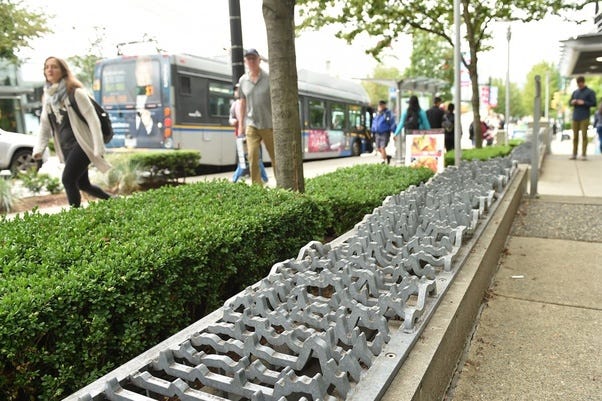
Why do you think “hostile architecture” exists?
A lot of people don’t want to help the poor. They want them gone out of sight and out of mind. They want to blame the poor for creating their conditions of poverty.
They want to think of them as lazy addicts who irresponsibly ruined their own lives.
It’s no different than shaming a woman for her clothes or behaviour for inviting a rapist.
It’s like shaming a mugging victim for paying cash for their drink in broad daylight.
People don’t want to think about why things go wrong for other people because it means dealing with the possibility that things can go wrong for them. If people believed they could also become one of “those people.” many would just give up, while others wouldn’t be able to function past their anxieties.
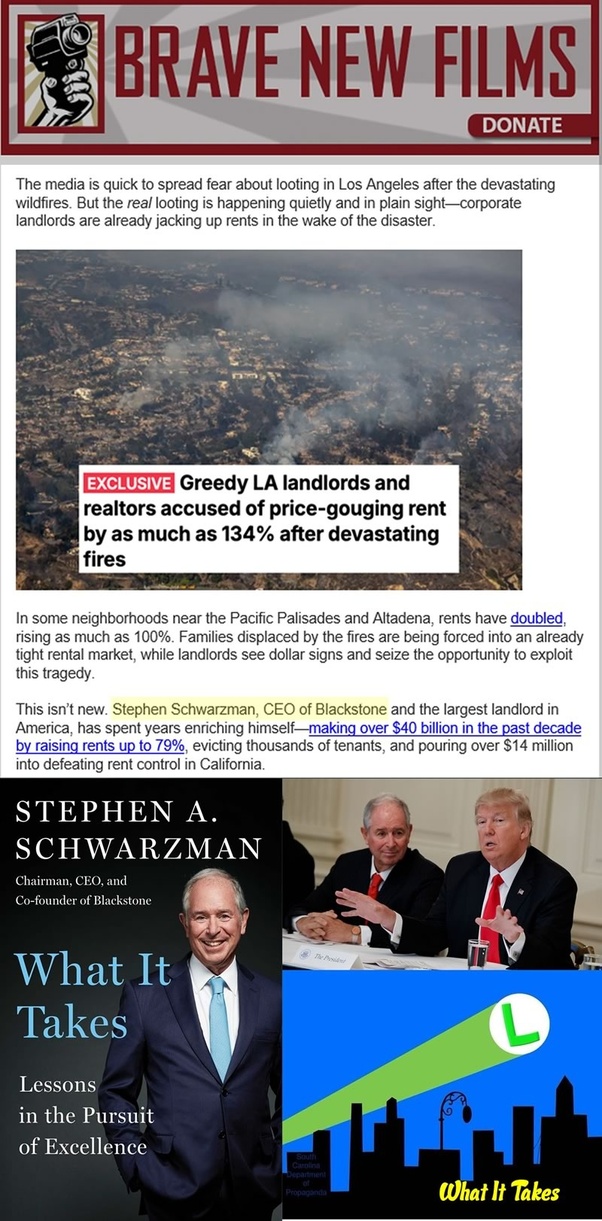
Although the existence of centibillionaires is a huge symptom of a system so broken that so many poor exist, no one wants to change anything because it means having to do things differently than they’ve become used to.
Look at how impossible it’s been for Americans to adopt a universal metric system — even though it would save them money.
Look at how impossible it’s been for Americans to adopt universal healthcare — even though it would save them money and lives.
People may demand change, but they hate change. Many people prefer complaining about how bad things are to doing something different because they fear change will be worse than what they’ve gotten used to.
My province of BC has had three referendums on electoral reform that would have made our elections more representative of the people. We would have become a more democratic province that more effectively addressed the needs of the people if the people could vote for what they want rather than vote against a change they don’t understand. Even worse, the change is easy to know if one makes a small effort to educate themselves, but they don’t and won’t understand something until they’ve lived it. When people are unsure, they consistently vote to maintain a corrupt status quo instead of voting to change it.
Americans are going to continue voting for corrupt leaders until they realize their lives are at so much risk that the choice is no longer “change or continue suffering” but “change or die.”
That’s where we are right now… or at least, those who refuse to read the writing on the wall will eventually figure out that’s the case when they start seeing the suffering around them can no longer be denied. They will change only when they become more afraid of maintaining a destructive status quo than the change they can’t understand until they’ve made their change.
Rich people won’t give up their wealth, even in part to sustain a failing system until it fails so badly that they start running and hiding for their lives from the mobs who are angry enough to repeat history. They won’t change what they’ve gotten comfortable with, even if it means they’ll end up more prosperous.
This is why “woke” is such an important concept these days — because we are at the stage where a lot of people are sick and tired of screaming “Wake up!” to people who insist on ignoring the threat they’ve become to our future.
The bullying Nazis among us still think they can play their bullying games endlessly while laughing at the “librul” tears they imagine are being shed out of frustration without realizing those tears are being shed because of what comes after those tears… the mourning of having to do what could have been avoided.
The few wealthy people cannot, through donating portions of their money, fix what’s broken.
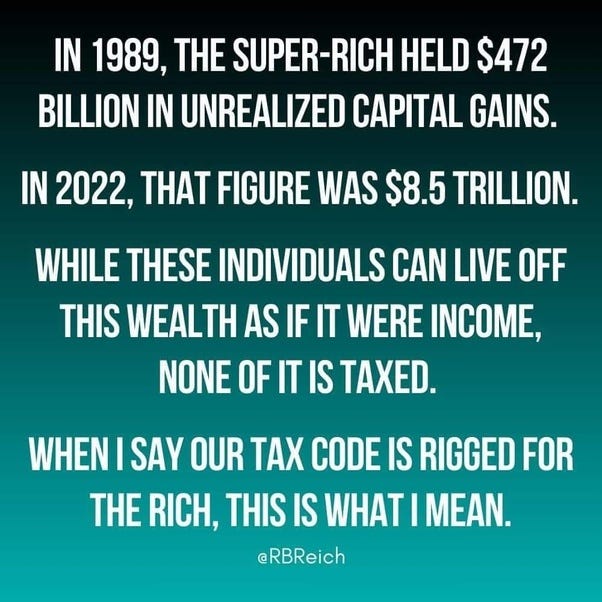
The system needs to change on fundamental levels enough to force the greedy sociopaths to acknowledge the critical importance of maintaining a universally sustainable social contract. They need to understand the benefit of giving up some of their money to pay back into a system that allowed them to become rich in the first place.
Allowing a small number of elite few to grow hoards is not how to develop a sustainable economy or lift people out of poverty.
People like Musk know this. They don’t care because they see themselves as entitled to rule over the rest of us like we were herd animals.
Eventually, someone like Musk will push society far enough for the guillotines to come out and put his head on a pike. He doesn’t believe that’s what he’s inviting into his life. He thinks he is untouchable… just like Trump thinks he’s untouchable — that no one would dare do the unthinkable.
Suppose Trump decides to start a war with Canada, and NATO steps in. In that case, the chances of an American military officer putting a bullet in his head on the brink of launching a nuclear attack against a long-time partner becomes a very real possibility. Just because he’s the “commander in chief” doesn’t mean he has carte blanche to do whatever he wants. Everyone has limits. That’s just life. We must acknowledge that and protect them for everyone, for all our sakes.
We don’t know right now what those limits are and what it will take to cross that one bridge too far… but if or when it does happen, there will be chaos in the streets. We’ll be spending the next hundred years dealing with profound regret while armed with microscopes to examine in micro-detail how it could be that we allowed this nightmare to go on as long as it did.
We will be kicking ourselves with the kind of regret that will change us forever in ways that will horrify us deeply if this happens again. We should be paying attention to how the German people have had to cope with their recovery from the madness that overtook them. We should be learning from history, but 76 million people voted for a repetition, while another 80 million said they didn’t care enough to do anything different but pretend it wasn’t their problem to solve… so they made it their problem and everyone’s problem.
Meanwhile, it’s unfair to the few wealthy who are generous and care about humanity to put the onus on them alone to solve the problems we all have a responsibility to solve.
If that means we have to start punching Nazis to get them to develop enough humility to behave like human beings, then we need to start swinging as if our lives depend on it because they do.
Nothing will change until we take this dystopia seriously enough to deal with the threats we face in the form of hatemongers who feel themselves entitled by God to rule this world.
If there’s one thing we can learn from Luigi Mangione, it’s how overwhelming this problem is and how overpowering the enemy is. They’re not taking any breaks now that they’ve been given the keys to transform the landscape radically. They’re putting the pedal to the metal, and if it means running over millions of homeless people with a bulldozer, then so be it.
They don’t care about the poor. They are happy to destroy the easily victimized among us.
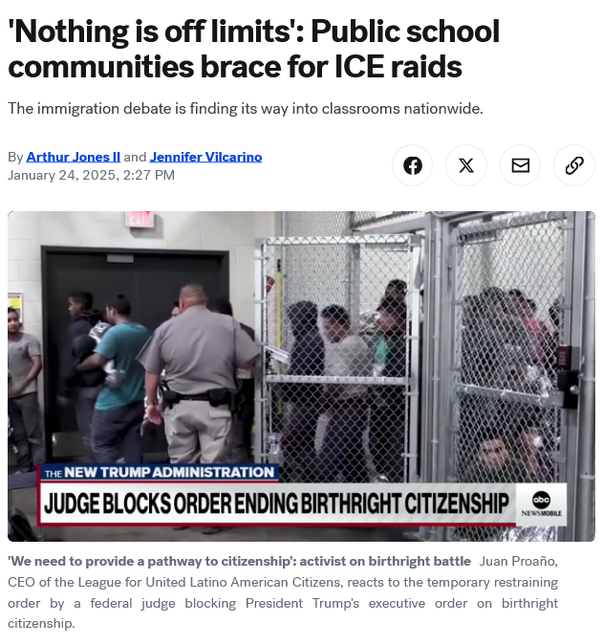
Why do you think they’re starting with schoolchildren?
Setting aside the failings of individuals who make bad decisions and cause problems for themselves, because there is always a tiny percentage of people who need more guidance to make better decisions, the vast majority of people suffering in poverty have done everything right with their lives and are still struggling.
A big part of the reason why that happens is that too many people waste their time wallowing in a misanthropic belief that poverty is due to the victims of it being responsible for creating their poverty and that if they just did something different with their lives, they, too, would be among the wealthy in society.
This myth that poverty is a self-imposed sentence is precisely what the thieves in our lives want the people to believe.
This myth that poverty is a self-imposed sentence helps people to believe they won’t become victims of poverty themselves.
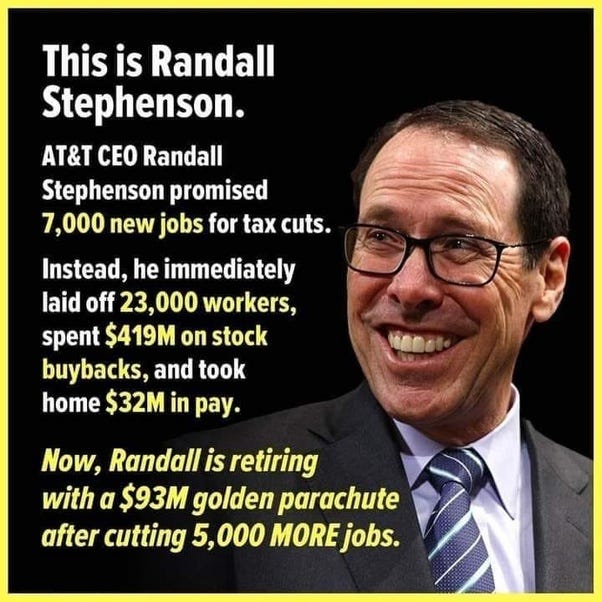
This myth that poverty is a self-imposed sentence overlooks how our culture is geared entirely around impoverishing the majority in favour of the sociopaths who are willing to destroy lives to achieve personal material benefit.
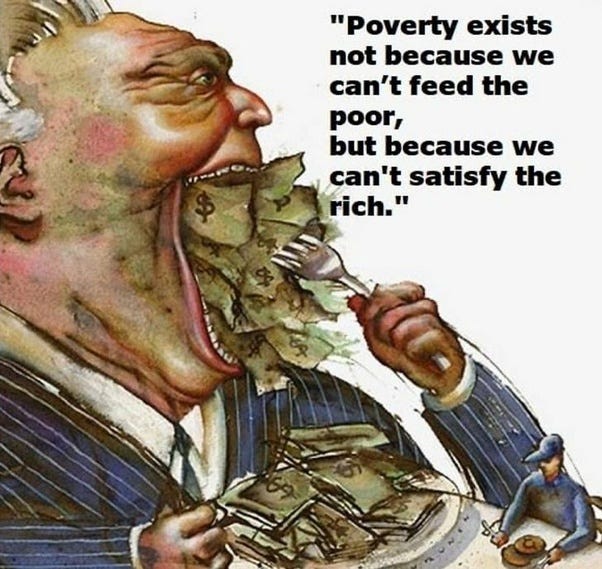
This myth that poverty is a self-imposed sentence is why people become poor and broke because believing this nonsense allows poverty to exist in a post-scarcity world that could easily eradicate poverty overnight — if we could only address the rampant greed corroding the social contract to be the actual cause of poverty instead of shaming the victims suffering unnecessarily in a state of poverty that would not exist if economic justice existed.
There hasn’t been a time in my life where I have not been blamed for the clients who have stiffed me after praising me for doing work they benefited from.
Try to make sense of that.
It’s precisely what Donald Trump does when he calls the contractors that worked for him losers. He put thousands of people out of business throughout his life by not paying them for doing work on his behalf, and as far as he is concerned, it’s their fault.
This question embodies a corrupt attitude that pervades society, and it is this attitude that permits poverty to exist.
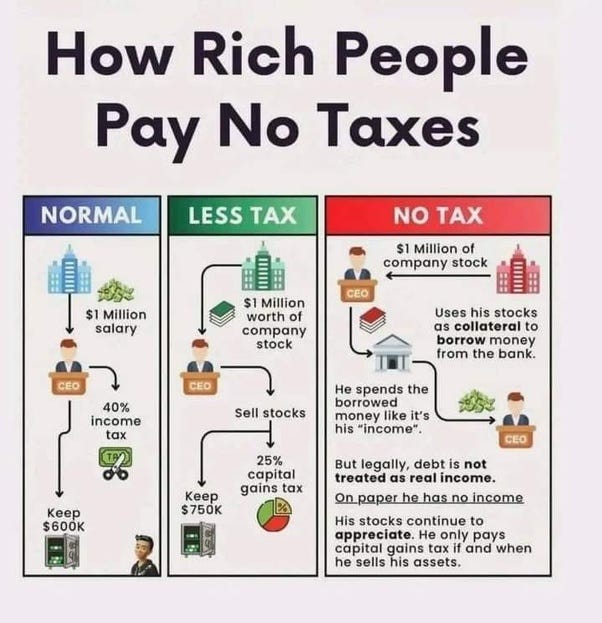
It’s the same attitude that admires how people can avoid paying taxes and envies that ability enough to want it for themselves.
This question enables the attitude of greed to characterize the rot infecting humanity and destroying human civilization because it teaches us to forget that we are all in this together.
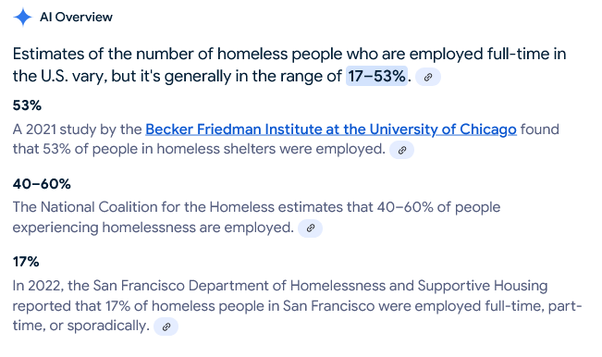
Up to about half the people who are homeless in the U.S. are working full-time jobs.
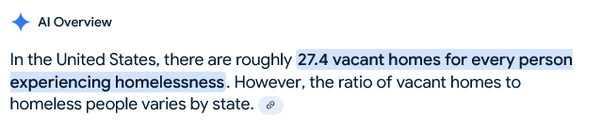
There are over 25 times more vacant homes in the U.S. than there are homeless people.
Try to make sense of that… and then get pissed off about this:
This post is a response to a question posed in its complete format: “Why do people think I should feel guilty shoplifting, when literally so many people in the world want to use other people for what they have?”
You seem to want to justify shoplifting as a form of protest.
Meanwhile, protesting is a means by which systemic injustices are challenged by publicizing grievances. The point of doing that is to garner widespread support and enough momentum to make a systemic change that addresses a grievance over a condition which victimizes many people.
Sometimes, protests must be escalated to such a degree that some form of tradeoff between victimizing an aggressor and sacrificing someone in an act which alerts an otherwise unaware public of the severity of a grievance.
The incident between Luigi Mangioni and Brian Thompson from United Health qualifies as a situation in which escalation was deemed necessary (by Luigi) to sacrifice one’s life to alert the public to the severity of a systemic injustice.
Most often, protestors sacrifice only time and effort to address injustices. The goal of protesting, however, is to help people other than themselves who may or may not participate in the protest itself.
The purpose of a protest that can successfully gain support and make meaningful change is never to benefit an individual at the expense of victimizing someone else because that’s just another form of victimization.
It may be true that the degree of victimization is practically invisible to the victim such that they suffer a loss on an unnoticeable level, but they remain victims nonetheless.
It may very well be that the stores absorb their losses from your thefts with little impact on their operations, but that’s mostly because they amortize their losses across their operations. That means that a proportion of the cost of their products contains a piece of math they’ve determined recoups their shoplifting losses through every product sold.
Your thefts as an individual may be unnoticeable. Cumulatively, however, with others who think the same way you do, your thefts contribute to the increased cost of products that everyone bears while the store factors in a profit margin for managing those losses. Your thefts contribute to their net revenue while further victimizing those who pay full price for their products.
You may view your theft as a personal protest, but it’s an act that solely benefits you and injures all other consumers more than it injures the store you steal from. For this reason, your behaviour is considered selfish, over and above being a crime that contributes no benefit as a protest to the issue you criticize.
Your reasoning shares more in common with the stores you steal from when they add surcharges to an expected percentage of loss that’s padded enough to profit from.
Your reasoning and theirs are based on misanthropic, spiteful, and opportunistic thinking to justify an essentially parasitic behaviour.
You may not feel guilty about your choices, but they are neither justifiable nor actions to be proud of. However, the risks you take will one day result in criminal charges against you, while no one will be interested in empathizing with your reasoning.
You will carry a stigma of shame for the rest of your life once that happens, and no one will be sympathetic to whatever suffering you might experience as a consequence of your criminal choices.
Furthermore, your shame will be compounded by the reality that you will have become exactly the type of person that you justified harming through your thefts.
In short, your reasoning makes you a hypocrite, and you may not feel guilty about stealing from a greedy operation. You might still want to consider alternative forms of protesting to make your point — assuming, of course, that you believe your reasoning instead of just making excuses for being precisely the same as the people you criticize.
The circular and self-serving nature of your reasoning is precisely the same reasoning every criminal uses to justify their behaviour.
After all, in their minds, they also believe “everyone else does or would do the same in the same situation they’re in.”
Try to imagine the chaos that would ensue if everyone made the decisions you have made for yourself using the same reasoning you employ.
Society would shut down, and that’s why you will get no mercy when you inevitably get caught. After all, it’s never an issue of “if” with repeat offences but “when.”
Your luck will eventually run out, and you will be caught. If guilt isn’t enough to motivate you, then understanding how impossible it is to shoplift indefinitely might help you to reconsider your choices.
Security systems are improving every day. It’s already impossible enough for security experts to keep up with all emerging technologies, let alone someone like yourself. Cameras are cheap nowadays and tiny. You won’t know where you might be recorded, and it’s only a matter of time before you won’t know about the GPS tracker hidden in the liner of the coat you steal.
Good luck, though. Maybe you’ll convince a billionaire to give their people a decent raise just to convince shoplifters to stop shoplifting… which will happen after cows learn to fly. 😜
This post is a response to a question posed in its complete format: “Why don’t people realize that it is plutocracy (our country being governed by the wealthy elite) that is causing our economic problems?”
People don’t magically “realize things.”
People must be educated, informed, and aware of circumstances and details.
They need to be walked through the information presented to them as if one functions as a guide on a tour, answering questions.
People also don’t respond to laments, particularly when entrenched in counterfactual bigotries that prevent them from apprehending reality through an objective lens.
In essence, if this is an issue of concern for you, which I’m glad to see it is, then you need to start banging drums and sharing information and details because there are at least 76 million people in the U.S. alone who are entirely so oblivious to what you’ve determined for yourself that they contribute to the problems caused by the plutocracy.
There are many reasons why many people support self-and-socially destructive agendas, and most of those reasons can generally fall into only a few camps:
They benefit directly from the corruption,
They interpret the economic problems of the victims of a corrupt system as personal failings,
They imagine themselves as potential beneficiaries of corrupt powers by supporting them,
They lack the wherewithal to do anything about the corruption, so they cope with what they don’t believe they can change by resigning to hate the more easily victimized,
They support what they believe is a natural state of a zero-sum existence encapsulated as a butchered interpretation of life often referred to as the “law of the jungle,” in which there are only predators and prey in this world,
They’re psychologically dysfunctional — which is an explanation that applies to all the preceding points,
Their education is woefully lacking — which also applies to all preceding points and leads back to the onus placed on those who know better by providing the support necessary to make positive change while also receiving a reminder that lamenting the sad state of affairs does nothing to change them. It does, however, give the broken among us a target to jeer and mock and use as an example to justify their corrupt interpretations of life.
Now, arm yourself with the information you need to fight as a keyboard warrior and do something more productive than issue lamentations to elevate humanity from this dank pit of misanthropy.
The presumption in this question is an oversimplification. It’s like saying the flu is about the sniffles, the chills, the sneezing, and the perpetual flow of mucus when it’s inherently about a virus infestation.
The hatred is the symptom of an underlying cause, or set of causes, as it were. The first cause is always the same and has always been the same throughout history, driving every public conflagration: living insecurity. In today’s world, that translates into economic insecurity.
We’ve had an odd confluence of events occurring throughout this modern phase of the class war we’ve been undergoing for centuries now and since the dawn of human civilization, as the small group of the most powerful among us seek (and have always sought) to sublimate the majority in service to their will.
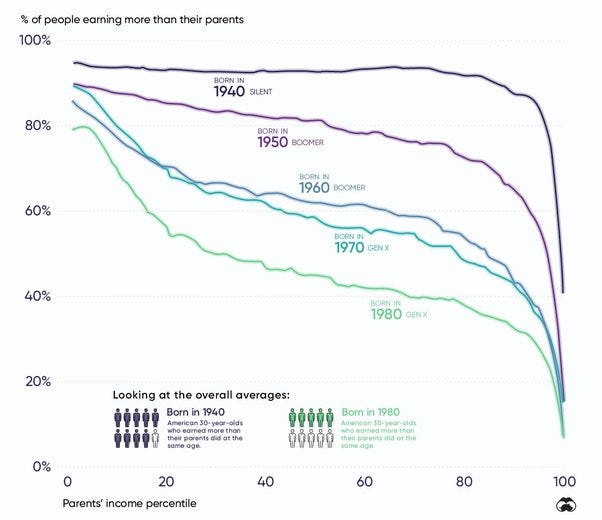
Quality of life for the middle class has been steadily tanking while the ownership class has been leveraging the benefits of technological progress to ameliorate and offset the increasing hardship they’ve been imposing upon the rest of us.
For example, poverty only one-half-century ago was evident in that the appearance of failing to meet essentials like clothing for appearance was a hallmark indicating poverty. That’s no longer the case, as many of the most impoverished among the working class avail themselves of systems that allow them to maintain an appearance of modest living while enduring severe degrees of economic insecurity.
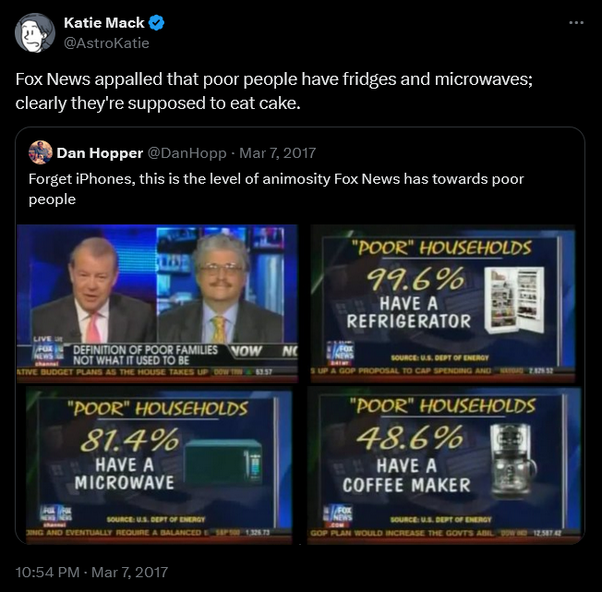
The Fox network made a big deal about people not living in poverty because they had refrigerators and microwaves. It is that kind of difference between poverty today and the poverty of last century that allows the ownership to more easily shame the victims of their efforts at impoverishing the majority in service to their hoards.
The harsh reality, however, is that most essential components of psychological health and emotional stability have been steadily stripped from the middle class in a stream of primarily invisible and ignored cuts over time.
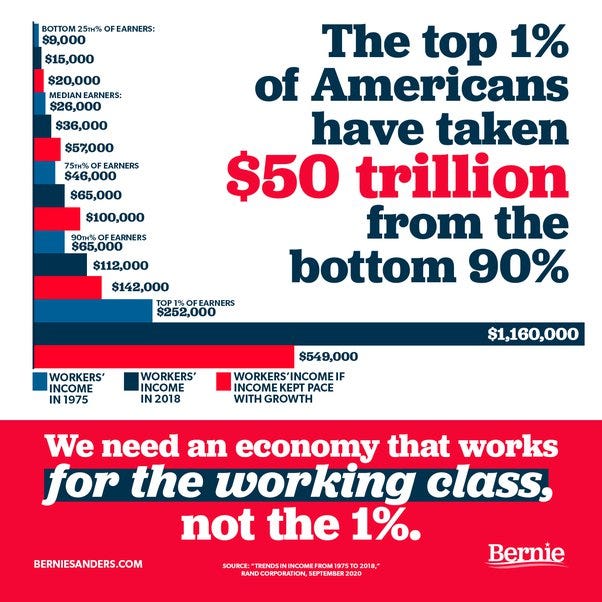
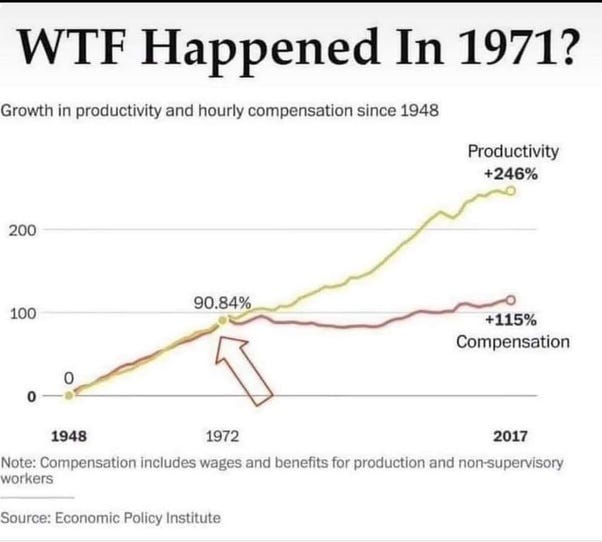
Compensation increases virtually halted for the middle class (and have even experienced shrinkages due to inflation), while income has skyrocketed for the ownership class.
The promise of capitalism raising people out of poverty from good ol’ fashioned elbow grease and modest living has vanished. The age of the Wealthy Barber lasted only a couple of decades before it was stripped from the people.
What we are left with now is a perpetual struggle for survival that has been steadily increasing year by year in the number of victims and the scope of theft perpetrated. The most privileged among us have had enough of an economic buffer to weather the storms that have destroyed the lives of millions victimized by the economic war waged by the ownership class against the working class. For many of those who would have qualified as being “upper middle class” fifty years ago and whose wealth would be more than double what it is today had the economy continued growing as it did during the heyday of Eisenhower tax rates, the economic war has remained largely invisible to them because they have not had to face the threat of food and housing insecurity that millions of working poor do today.
They may still face medical bankruptcies because those are huge bills that could and should be non-existent in a nation as wealthy as the U.S. However, the percentage of victims of that particular form of theft is relatively rare compared to the general population. We would otherwise have already had many Luigis acting out on their frustrations by now.
Instead, we have extremist right-wing groups on terrorist watch lists because they align themselves within their tribes and stoke their hatred toward those they blame for their woes. Occasionally, their outbursts gain public attention, but mostly, they’re made manifest in the ongoing and almost daily mass murders of innocent citizens and schoolchildren.
While the extreme right acts out their anger in unfocused ways, the left is targeted specifically on the causes of their anger. While the right victimizes anyone who doesn’t capitulate to their dogmatic adherence to the power wielded by those most responsible for victimizing them, like Stockholm Syndrome candidates, the mostly non-existent “extreme left” campaigns for economic justice through programs that restore equity.
Conflating the two as being identical is worse than oversimplifying a complex issue; it’s empowering the conditions that give rise to the hatred one seeks to demonize. It serves the narrative of a culture war perpetuated by the ownership class to divide the people further and distract them from the thefts perpetrated against them.
The irrational conflation made within this question merely functions as a self-fulfilling prophecy in which one declares a bullet wound fatal while stabbing the patient in the heart with a hunting knife to dig out the bullet.
This question is like accusing people of being jealous of Elon Musk’s money when the reality is that they hate white supremacists who install puppet rulers to destroy nations to attain their goal of empowering themselves at the expense of impoverishing the world. It’s a rather short-sighted attack on reality and the countless victims suffering needlessly in service to gluttonous powers.
This post is a response to a question posed in its complete format: “Do you support Meta’s (Zuckerberg’s) decision to end third-party fact-checking on Facebook? Should there be any fact-checking at all on social media platforms? Why?”
Social media appears to be entering a stage where its profit-based model is “eating itself out of existence” as the latest in end-stage capitalism’s string of “Ouroboroses” (Ourobori?).
Along with stripping costs for an expensive venture, Mark is also adding AI bot profiles to create the appearance of engagement.
This reminds me of why I lost interest in dating sites. The easiest way to know a site’s ethics is when they create bot profiles to entice people into paying membership fees to engage with non-existent people.
As much as Zuckerberg flaps the trappings of community within Facebook and social media, none of his views are legitimately about community or supporting community development.
If social media were authentically social, its focus would be community development, not profit generation.
It is precisely the model of profit generation that puts social media into a death spiral of profit chasing to the bottom of the bottom-feeding barrel.
Their metrics for engagement are derived from a superficial analysis of what engagement means. As long as someone clicks something or posts something, that counts as “engagement,” and that interpretation of engagement counts as justification for advertising rates.
Meanwhile, no one gets anything from the deal but a massive case of blue balls.
Without a mission of serving a higher purpose of community development, social media and society, by extension, cannot but devolve into the technological equivalent of a pack of stray dogs begging strangers for treats.
We will experience social anarchy in the virtual world before it greets us in the real world. Hopefully, that will create enough pressure to do something proactive to support community development before the real-world communities devolve into chaotic monstrosities of “former civilization.”
All of this is an argument in favour of social media, on some level and in some capacity, being a publicly owned and managed enterprise that exercises its self-restraint divorced from the misanthropic profit-chasing model that dehumanizes people while pretending to serve human social needs.
As much as our dialogues focus on almost everything but community development, they all serve a community needs focus.
For example, all of the discourse surrounding AI and its replacement of human labour may be considered an economic, political, or labour issue, and it’s essentially a community response to a significant change transforming human society on a fundamental level.
All social media forms the basis of community development because all social media is public discourse. However, our problems with social media stem precisely from its growth being motivated by profit over principles.
At this stage, growths in profit that can satisfy hungry boards and investors justify cutting costs to the degree that whatever spirit was initially capitalized on that prompted the development of any particular social media site has been stripped from its operation.
The justifications for stripping costs have ironically been derived from concerns about the costs of managing social engagement. Who woulda thunk it’s too expensive to properly manage human behaviour to afford the cost of developing a media enterprise focused entirely upon squeezing profits from social engagement?
People need social media. It won’t go away, but social media proves today that profiting from human interaction is the wrong way to think about social media.
We have been watching the effects everywhere as social media has been devolving into a dynamic I remember from what I used to refer to as “usenut” — that many may be more familiar with as “Google Groups,” for example. I remember this as the gutter of human interaction — where the most extreme of the extreme was its primary denizens who were free to indulge in the most hateful of behaviours and attitudes.
I still “fondly remember” one character I used to refer to as “Grog” — which wasn’t their real name, and I’m not going to publish it because he’s still active on what shreds still exist of Usenet groups. He’s still advocating for the death penalty for gay people. It turned out that his father came out of the closet late in life, and that had a devastating impact on his psychology.
At any rate, this underground dynamic of toxic attitudes has slowly been seeping into an above-ground and public state of dialogue over time. If one had not ventured into the gutters of human detritus to discover its prevalence, one would not realize it’s an undercurrent that has always existed.
We will continue witnessing a devolution to the level of bottom-feeding slugs in human interaction characterized by social media as this trend of cost-cutting and profit-squeezing continues. It’s an inevitable characteristic of the capitalist chase for profits.
At some point, we’ll experience a confluence between the demand for social media interaction and restraint on toxic behaviours that normalize the intolerable throughout society. People will grow to hate people like Zuckerberg more than they do now, as one can already see an influx of disparaging posts about him beginning to flood the social media space everywhere.
Accountability and restraint on social media will become a widespread demand because social media fulfills a human need for interaction and dialogue that has always been present in less technologically based forms, such as letters to the editor in every newspaper that once littered the landscape.
Social media won’t disappear but will require transforming from a privately profitable industry into a public service. Nations like China are already ahead in this game by using their social media enterprises as tools for managing public dynamics through social credit scores and demerits.
If we’re not careful, social media will transform from a chaotic enterprise focused on chasing profit into a tool of oppressive control over the people in a much more pernicious way than media enterprises like Fox do now with their disinformation campaigns.


















 thotbag