What strategies could eliminate extreme poverty?


This post is a response to a question posed in its complete format: “What are the most promising innovations or strategies today that could sustainably eliminate extreme poverty within the next generation?”

Thank you for the A2A, Faux-Bill. It is well beyond obvious that you are not the OG Bill Gates but a pretender. Whatever motivates you to disguise yourself as him and pose questions that he never would in such a forum is rationalized as a strategy for gaining attention that you believe you would not otherwise get.

I don’t believe questions like these require the kind of “celebrity boost” you’ve attached to them because I’m sure many people are thinking about these issues. Many politicians sadly believe people’s thoughts on these issues are irrelevant to their societal role. Nothing could be further from the truth because most of the world’s citizens sincerely desire an end to unnecessary strife across the globe.

Only the most psychologically scarred members of society wish harm to people on the other side of the globe or in the dingiest parts of their cities.

Even though people know this is a fake profile and that many would overlook this question based on precisely that, some people will still step forward and offer their views. Their answers support what I just said about people wanting to see change for the better, particularly when it is within our means to eliminate extreme poverty today.

Sadly, many politicians fail to comprehend that we are in this together, and that together means all of humanity must work toward common goals, such as eliminating poverty for it to happen. Even worse is that success requires our politicians to play the role of leader in society in earnest rather than as a performative lark to disguise their motivations for personal gain.

Far too few view their role beyond the boundaries of gamesmanship within the local jurisdiction of interpersonal dynamics of cliques, such as those commonly found in high school environments. They perform for each other and to the public at large. At the same time, their functional contributions are limited to shuffling game pieces in a subsection of the larger gameboard of their political community. Forget about communities elsewhere. That would constitute effort in thinking about and doing something about something elsewhere that isn’t directly connected to the influential factors governing their daily lives. Indirect connections don’t factor into their minds.

Here’s an obvious example of the complexity of dynamics that not enough people consider in their thoughts about how to improve our world and address issues like extreme poverty on the other side of the globe:
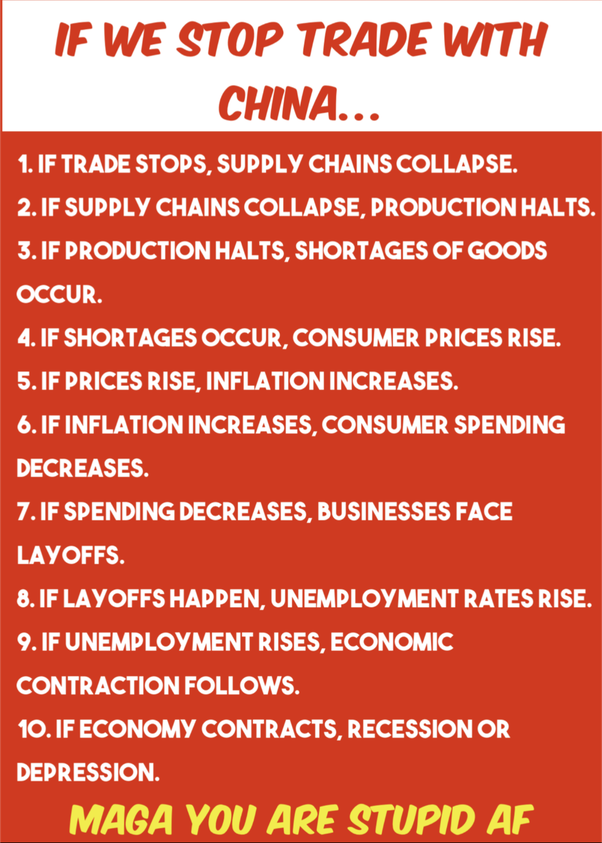
In this simple description of consequences, ten interconnected steps are outlined to arrive at the fundamental message that closing a door to a trading partner out of spite hurts oneself more than it hurts the trading partner.

China’s economy will contract briefly as it adjusts to a new reality. Americans, however, will suffer more in the long term because this attitude of bullying one’s partners closes off many doors of opportunity.

The same is true with the global tariff tirade and betraying a long-standing alliance with a supportive partner. Isolationism hurts the isolationists more than it hurts anyone they reject, and that’s where we’re at when considering issues of extreme poverty on the other side of the globe.

It is, unfortunately, too easy to rationalize how those problems “over there” are not one’s concerns here, but the reality is that poverty exists here as well. It’s just an arguable point about which is the easiest to ignore.

As you can see from the variety of answers given to this question and the variety of questions similar to this one, along with all the many other answers given to those questions, people want to solve this problem.

This brings us to the core problem at the heart of why the problem identified within this question persists.

The sad reality is that the core problem is YOU, Bill.

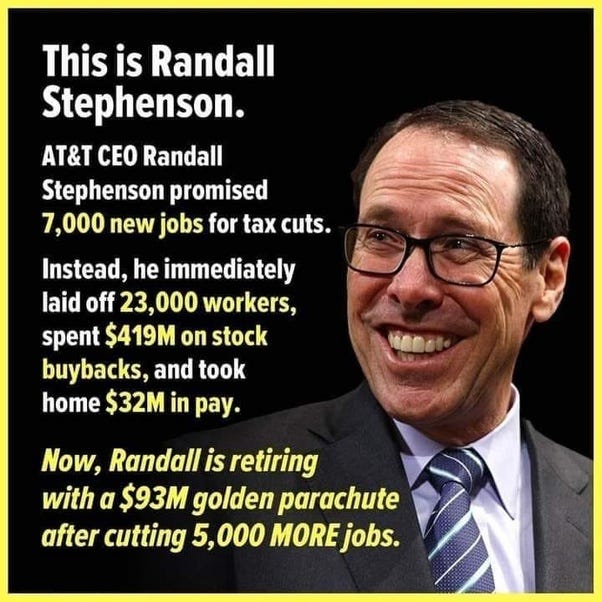
You and the existence of centibillionaires in today’s world are the reason why extreme poverty persists.

I understand how easy it is to rationalize your business successes as justification for having superior insights that can function like a paternalistic entity that can guide the little children of humanity toward a brighter future. I understand your rationale for the sheer capitalization required to provide the world with ecologically superior toilets. Still, you already know how you managed to distribute millions of life-saving nets in underdeveloped environments only through synergy. You relied on many people to rally behind your cause and donate whatever small amounts they could to solve a serious problem affecting millions of lives.

You made that happen, not with your capitalization but by leveraging some of your resources, connections, and celebrity status to mobilize people worldwide to provide a simple solution to a destructive problem.

Suppose you and the rest of the world sincerely desire an end to extreme poverty. In that case, there is only one solution, which begins with triage to stem the bleeding of resources that could collectively resolve the problem instead of exacerbating it, as has been the case due to extreme economic disparity.

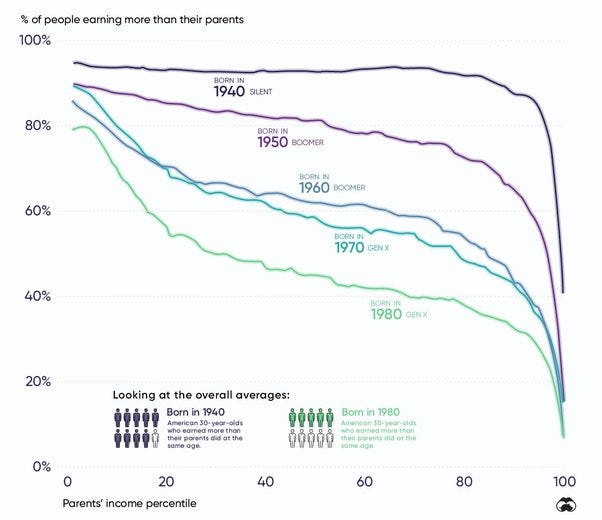
The most successful way we have been in eliminating poverty worldwide as a society and a species has been through the massive growth of the middle class, as we experienced following the Second World War, FDR’s New Deal, and the development of unions.

By empowering the middle class with disposable income, we boosted economic performance along many vectors that were also boosted by force multipliers, which spread outward in orders of magnitude beyond what is possible today with coalesced wealth.

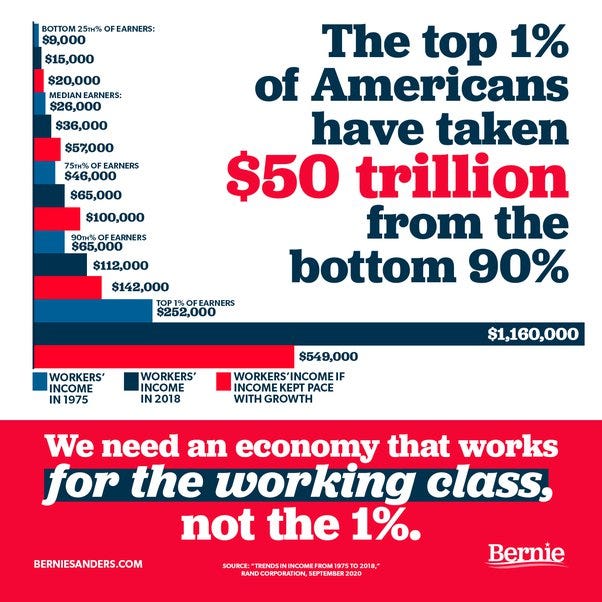
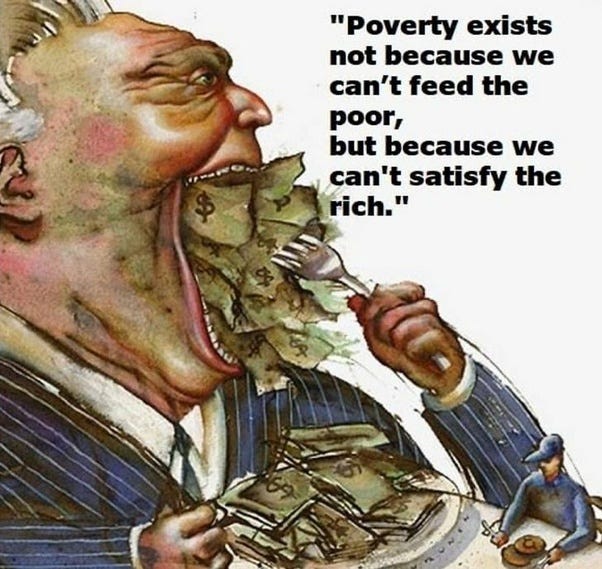
The existence of centibillionaires has made the goal of eliminating poverty impossible because this historically destructive concentration of wealth creates poverty through a contraction of available economic resources once wielded by hundreds of millions of people.

You know this. At least, the real Bill Gates does… as does every billionaire around the globe.

You cannot become a billionaire and be oblivious to how your concentrated wealth is a deprivation of wealth for others.

None of you is blind to this.

Since it’s taken decades of erosion of the gains that took a capitalist system decades of growth to achieve the highest level of poverty elimination, reversing that damage would mean decades of effort we don’t have the luxury of taking without experiencing a system-wide collapse.

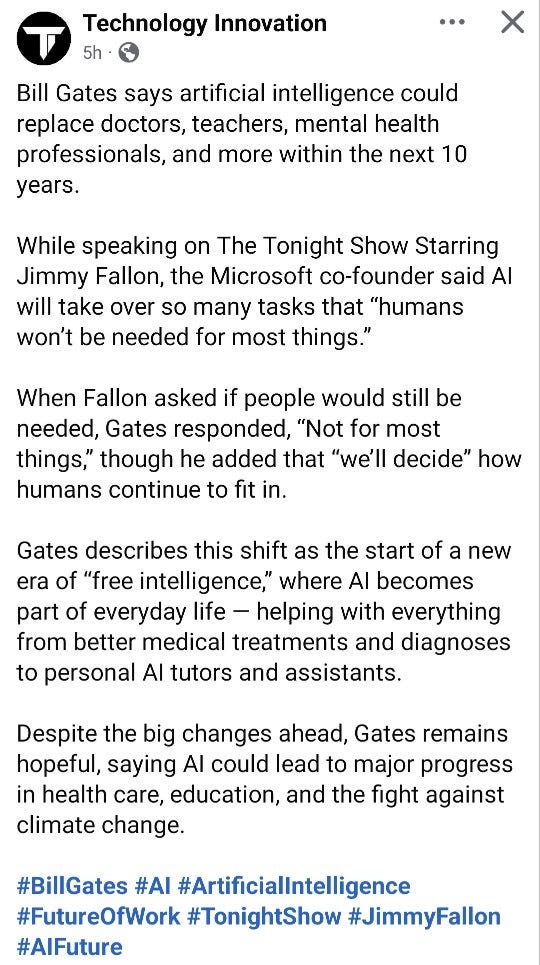
We need bold efforts and fundamental changes to the economy and structure to meet a rapidly changing employment dynamic. We have no choice but to retool our economy before an increasingly rapid transformation toward fully automated societies where most production is performed in dark factories.

Suppose we don’t institute bold changes today. In that case, the transition will result in massive numbers of collateral damage that will be responded to with system-wide chaos because people will not shut up and die quietly as they find themselves starving for food and made homeless. When people have nothing left to live for after having their means of survival stripped from them, they become radicalized to such a degree that they are like cornered animals and will bring much destruction to the world before they exit it.

We need to reverse course on the corrosion done to our economies through the problem of wealth disparity yesterday. This should not be a debate today; if you were the real Bill Gates, you know this.

There isn’t a single billionaire who doesn’t understand this. You are all also hedging your bets while, like every cowardly politician who doesn’t want to risk their comfortable positions, none of you want to be the first to acknowledge what needs to be done. Your reticence is understandable because your community is primarily dominated by sociopathic thinking. It would behoove you to remind your peers that each passing day this nightmare of disparity remains unaddressed is a day closer to the massive unrest that brings out the guillotines.

This brings us to the core concern driving this question.

Which strategy is the most effective resource to invest your attention?

What singular and most expediently implemented solution can effectively stave off and resolve the growing pressure leading to widespread chaos?

That’s easy, and you already know the answer… if you were the real Bill Gates.

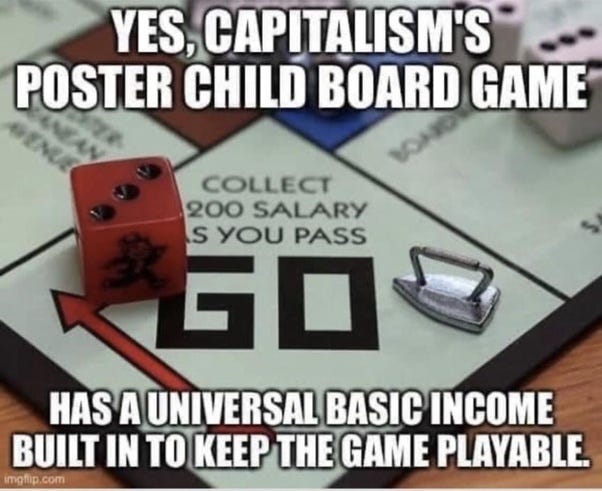
Reset capitalism like a Monopoly board.
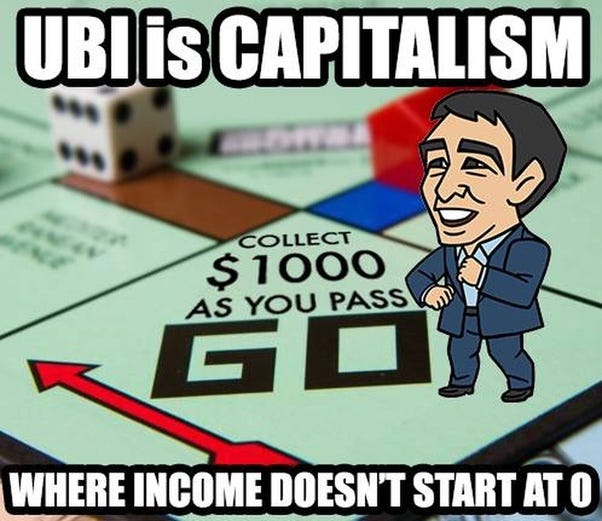
There’s been enough testing to know this is THE solution to restore economic justice and dramatically impact poverty worldwide.

You already know this.

The only real issue at stake is the best means of implementing it.

Here’s a link introducing the various issues to consider with costing strategies that can be discussed earnestly. These are just details to work out. The result, however, is a stable economy that can eliminate poverty worldwide while eventually making performative forms of altruism moot.

However, every one-percenter should champion this solution in principle in earnest today, particularly if they want to avoid the chaos that risks them losing everything.

How to Calculate the Cost of Universal Basic Income (Hint: It’s Not As Easy As You Might Think)


Update:

Is it time for the equality of wealth in America?

This post is a response to a question posed in its complete format: “After the rich gets richer and poor gets poorer, it’s telling us that capitalism is failing. Is it time for communism for equality of wealth in America?”

The period between FDR’s New Deal and Ronald Reagan proves that capitalism is an effective system for creating a thriving middle class, maximizing opportunities for upward mobility, and providing a clear path to raising people out of poverty.

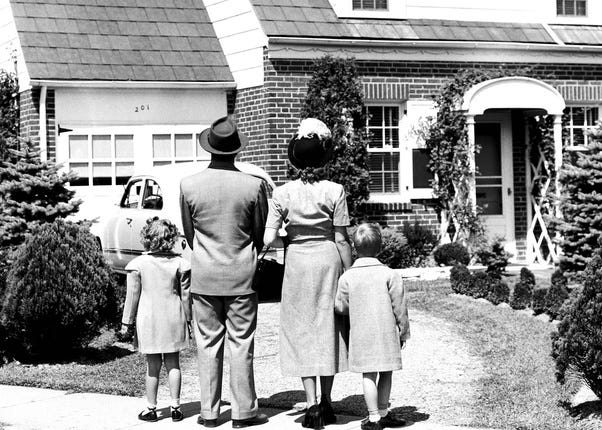
That was a period in which the now-myth of the “American Dream” was real and attainable. Everyone can attain a modest life of comfortable dignity, achieve beyond minimal existence, and grow their material success solely through disciplined effort.

What happened was what always happens when public memory is short, and the hardships of previous generations are forgotten.

People forgot what life was like when employment was insecure, rife with abuses, insufficient to survive on, and barely above an enslaved existence. Weekends off did not exist. Overtime pay did not exist. Statutory holidays did not exist. Job security did not exist.

For a brief time of almost one-half of an entire century, a working life was a life of dignity.

Then, we forgot and got complacent.

We grew frustrated with union strikes when they disrupted our otherwise predictable lives.

We saw corruption within unions and began forgetting their origins as a defence mechanism protecting the working class from capitalist corruption.

We began trusting the capitalist class had our best interests at heart and cheered when Ronald Reagan betrayed the once-thriving middle class by launching the beginning of a sustained assault against our only protection against capitalist corruption and abuse.

As a result, the poor are no longer becoming richer but poorer, as we have lost out on the basic dream of home ownership and a piece of the dream we were all promised.

We have lost our ability to succeed on effort alone.

Now, we are searching for solutions to our suffering outside the solution we once had that we let slip through our fingers through apathy and disinterest.

We lost our ability to live lives of dignity in the same way we have allowed a Nazi resurgence — through disengagement, apathy, and indifference.

The rich are becoming richer, and the poor are becoming ever poorer because we have allowed this to happen.

We don’t need to adopt a new system to fix what’s broken.

We don’t need to throw out the baby with the bathwater.

We must fix ourselves first and then reassert the mechanisms of control that prevent corrupt powers from further corrupting a balanced system.

We can learn from other systems, borrow ideas from them and adapt them to our needs, but we don’t need to make radical changes — at least, not radical on the level of tearing everything down and rebuilding from scratch.

We have a solid frame for a still functional society that needs only some essential architectural revisions to restore economic justice and make life prosperous for everyone again.

Perhaps the most important lesson we can extract from this historical period is the importance of restraining power. We cannot live in a stable world that permits individuals to possess more power than nations.

In a world of equals, no human is above another, regardless of one’s skills, talents, or capabilities. We are all one as a community, and we must protect the integrity of the community if we wish to ensure individuals can achieve their potential in life. A balance between community and individuality is crucial to achieving our potential because individuals pave the way for communities to follow. In contrast, communities support and enable individuals to leap safely into the unknowns that lead us all to undiscovered territories and achieve greater heights.

Why won’t rich people donate much of their wealth to poor people?

This post is a response to a question posed in its complete format: “Why won’t rich people just donate a tiny bit of all their wealth to poor people?”

Some of them do. MacKenzie Scott, the ex-wife of Amazon founder Jeff Bezos, has donated over $17 billion to charitable causes since 2019. Our problems, however, can’t be fixed by relying on a few donations by the small percentage who care about other human beings beyond themselves.

People need to stop thinking about ways to guilt the few rich capable of feeling guilt into ponying up on behalf of those who don’t care in the least about the poor as long they shut up and die quietly and out of sight.

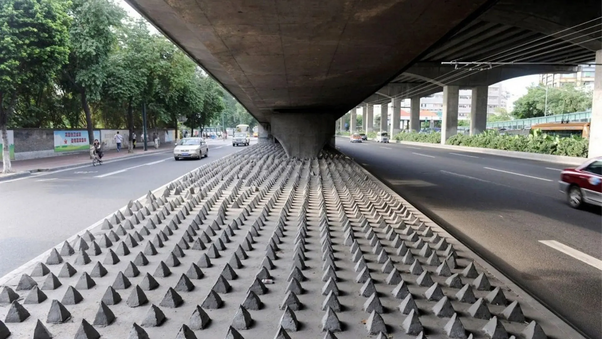
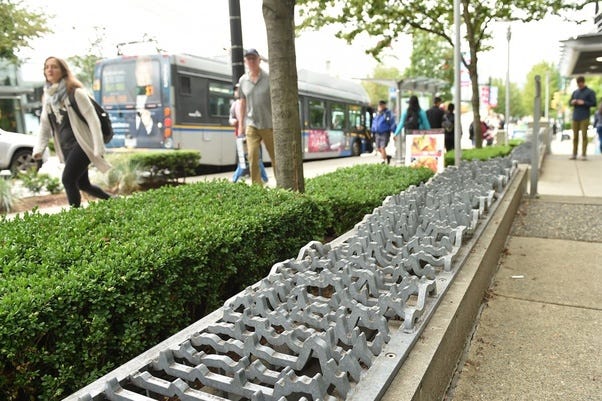
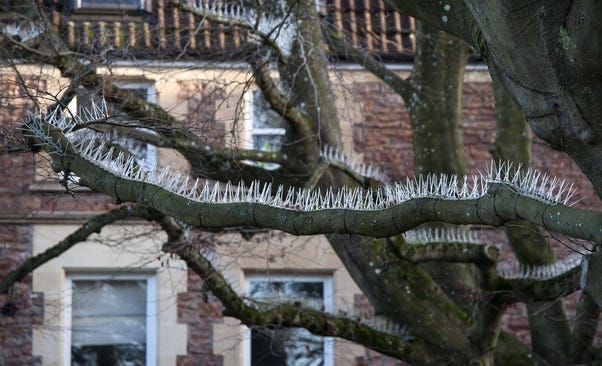
Why do you think “hostile architecture” exists?

A lot of people don’t want to help the poor. 
They want them gone out of sight and out of mind.
They want to blame the poor for creating their conditions of poverty.

They want to think of them as lazy addicts who irresponsibly ruined their own lives.

It’s no different than shaming a woman for her clothes or behaviour for inviting a rapist.

It’s like shaming a mugging victim for paying cash for their drink in broad daylight.

People don’t want to think about why things go wrong for other people because it means dealing with the possibility that things can go wrong for them. If people believed they could also become one of “those people.” many would just give up, while others wouldn’t be able to function past their anxieties.

Although the existence of centibillionaires is a huge symptom of a system so broken that so many poor exist, no one wants to change anything because it means having to do things differently than they’ve become used to.

Look at how impossible it’s been for Americans to adopt a universal metric system — even though it would save them money.

Look at how impossible it’s been for Americans to adopt universal healthcare — even though it would save them money and lives.

People may demand change, but they hate change. Many people prefer complaining about how bad things are to doing something different because they fear change will be worse than what they’ve gotten used to.

My province of BC has had three referendums on electoral reform that would have made our elections more representative of the people. We would have become a more democratic province that more effectively addressed the needs of the people if the people could vote for what they want rather than vote against a change they don’t understand. Even worse, the change is easy to know if one makes a small effort to educate themselves, but they don’t and won’t understand something until they’ve lived it. When people are unsure, they consistently vote to maintain a corrupt status quo instead of voting to change it.

Americans are going to continue voting for corrupt leaders until they realize their lives are at so much risk that the choice is no longer “change or continue suffering” but “change or die.”

That’s where we are right now… or at least, those who refuse to read the writing on the wall will eventually figure out that’s the case when they start seeing the suffering around them can no longer be denied. They will change only when they become more afraid of maintaining a destructive status quo than the change they can’t understand until they’ve made their change.

Rich people won’t give up their wealth, even in part to sustain a failing system until it fails so badly that they start running and hiding for their lives from the mobs who are angry enough to repeat history. They won’t change what they’ve gotten comfortable with, even if it means they’ll end up more prosperous.

This is why “woke” is such an important concept these days — because we are at the stage where a lot of people are sick and tired of screaming “Wake up!” to people who insist on ignoring the threat they’ve become to our future.

The bullying Nazis among us still think they can play their bullying games endlessly while laughing at the “librul” tears they imagine are being shed out of frustration without realizing those tears are being shed because of what comes after those tears… the mourning of having to do what could have been avoided.

The few wealthy people cannot, through donating portions of their money, fix what’s broken.

The system needs to change on fundamental levels enough to force the greedy sociopaths to acknowledge the critical importance of maintaining a universally sustainable social contract. They need to understand the benefit of giving up some of their money to pay back into a system that allowed them to become rich in the first place.

Allowing a small number of elite few to grow hoards is not how to develop a sustainable economy or lift people out of poverty.

People like Musk know this. They don’t care because they see themselves as entitled to rule over the rest of us like we were herd animals.

Eventually, someone like Musk will push society far enough for the guillotines to come out and put his head on a pike. He doesn’t believe that’s what he’s inviting into his life. He thinks he is untouchable… just like Trump thinks he’s untouchable — that no one would dare do the unthinkable.

Suppose Trump decides to start a war with Canada, and NATO steps in. In that case, the chances of an American military officer putting a bullet in his head on the brink of launching a nuclear attack against a long-time partner becomes a very real possibility. Just because he’s the “commander in chief” doesn’t mean he has carte blanche to do whatever he wants. Everyone has limits. That’s just life. We must acknowledge that and protect them for everyone, for all our sakes.

We don’t know right now what those limits are and what it will take to cross that one bridge too far… but if or when it does happen, there will be chaos in the streets. We’ll be spending the next hundred years dealing with profound regret while armed with microscopes to examine in micro-detail how it could be that we allowed this nightmare to go on as long as it did.

We will be kicking ourselves with the kind of regret that will change us forever in ways that will horrify us deeply if this happens again. We should be paying attention to how the German people have had to cope with their recovery from the madness that overtook them. We should be learning from history, but 76 million people voted for a repetition, while another 80 million said they didn’t care enough to do anything different but pretend it wasn’t their problem to solve… so they made it their problem and everyone’s problem.

Meanwhile, it’s unfair to the few wealthy who are generous and care about humanity to put the onus on them alone to solve the problems we all have a responsibility to solve.

If that means we have to start punching Nazis to get them to develop enough humility to behave like human beings, then we need to start swinging as if our lives depend on it because they do.

Nothing will change until we take this dystopia seriously enough to deal with the threats we face in the form of hatemongers who feel themselves entitled by God to rule this world.

If there’s one thing we can learn from Luigi Mangione, it’s how overwhelming this problem is and how overpowering the enemy is. They’re not taking any breaks now that they’ve been given the keys to transform the landscape radically. They’re putting the pedal to the metal, and if it means running over millions of homeless people with a bulldozer, then so be it.

They don’t care about the poor. They are happy to destroy the easily victimized among us.

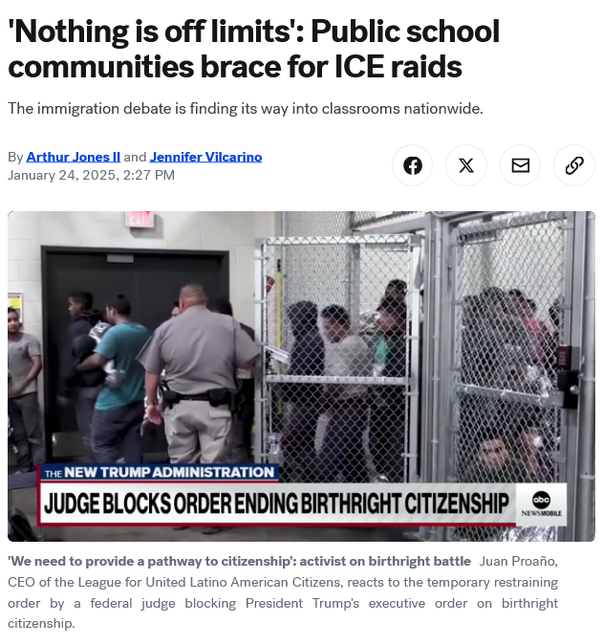
Why do you think they’re starting with schoolchildren?

Why do people become poor and broke?


This post is a response to a question initially posed on Quora, and can also be accessed via “https://www.quora.com/Why-do-people-become-poor-and-broke/answer/Antonio-Amaral-1

Setting aside the failings of individuals who make bad decisions and cause problems for themselves, because there is always a tiny percentage of people who need more guidance to make better decisions, the vast majority of people suffering in poverty have done everything right with their lives and are still struggling.

A big part of the reason why that happens is that too many people waste their time wallowing in a misanthropic belief that poverty is due to the victims of it being responsible for creating their poverty and that if they just did something different with their lives, they, too, would be among the wealthy in society.

This myth that poverty is a self-imposed sentence is precisely what the thieves in our lives want the people to believe.

This myth that poverty is a self-imposed sentence helps people to believe they won’t become victims of poverty themselves.

This myth that poverty is a self-imposed sentence overlooks how our culture is geared entirely around impoverishing the majority in favour of the sociopaths who are willing to destroy lives to achieve personal material benefit.

This myth that poverty is a self-imposed sentence is why people become poor and broke because believing this nonsense allows poverty to exist in a post-scarcity world that could easily eradicate poverty overnight — if we could only address the rampant greed corroding the social contract to be the actual cause of poverty instead of shaming the victims suffering unnecessarily in a state of poverty that would not exist if economic justice existed.

There hasn’t been a time in my life where I have not been blamed for the clients who have stiffed me after praising me for doing work they benefited from.

Try to make sense of that.

It’s precisely what Donald Trump does when he calls the contractors that worked for him losers. He put thousands of people out of business throughout his life by not paying them for doing work on his behalf, and as far as he is concerned, it’s their fault.

This question embodies a corrupt attitude that pervades society, and it is this attitude that permits poverty to exist.

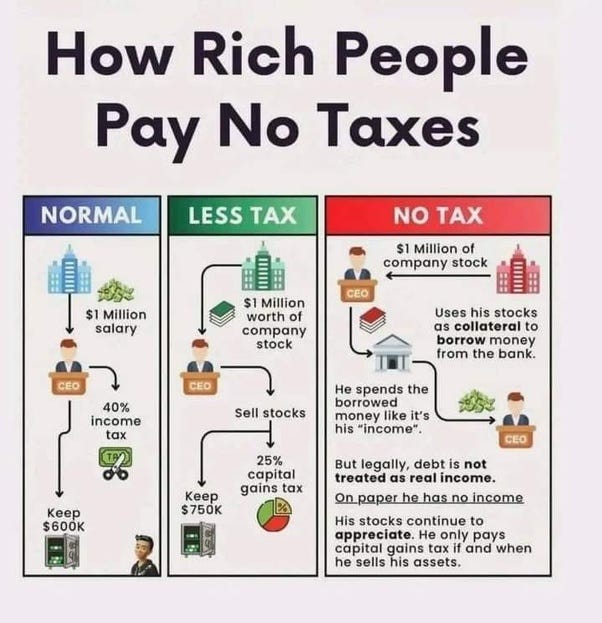
It’s the same attitude that admires how people can avoid paying taxes and envies that ability enough to want it for themselves.

This question enables the attitude of greed to characterize the rot infecting humanity and destroying human civilization because it teaches us to forget that we are all in this together.


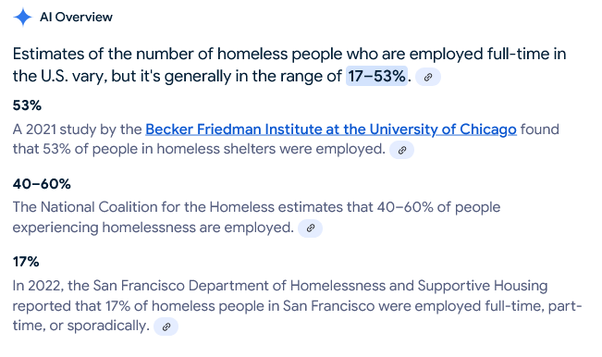
Up to about half the people who are homeless in the U.S. are working full-time jobs.

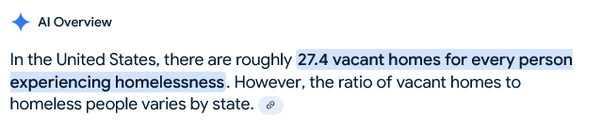
There are over 25 times more vacant homes in the U.S. than there are homeless people.

Try to make sense of that… and then get pissed off about this:

Why do poor people move all the time?

This post is a response to a question initially posed on Quora, and can also be accessed via “https://www.quora.com/Why-do-poor-people-move-all-the-time/answer/Antonio-Amaral-1

Their options are always limited to housing, which most often includes conditions that would be unbearable for those who take their ability to afford decent housing for granted. Consequently, any time spent with anyone living a marginal life will reveal horror stories most people could not believe were real.

As an example, someone I know had no choice due to prior “accommodation difficulties” (of which this person was a victim of the behaviours of others in this prior matter), chose an opportunity of availability and expedience because neither time nor resources allowed the luxury of shopping and waiting. As a result, a choice was made for a temporary resolution to bide time and save money for something better. The living conditions were rather horrendous as it was a suite within a house (which tends to be what’s most available at the lowest costs) owned by a hoarder who often snooped and eavesdropped while generally inebriated every waking moment — fortunately, not the violent type.

At any rate, this temporary accommodation was six months filled with fun and adventure, ending in an almost surreal form of coincidence. Upon having found another, more appropriate suite in a moderately priced complex and beginning preparations for moving, the owner was found unconscious. He was rushed to the hospital and treated for a heart condition, but since his mental faculties had failed so severely, he was moved into a care facility. Of course, this turn of events meant relocating sooner rather than later.

This person’s new and seemingly stable accommodation required some austerity to maintain a stable and relatively comfortable lifestyle. After the one-year lease expired, the rent increased by its legal maximum. Shortly thereafter, they were informed that the building complex had been sold and that the new owners were considering redevelopment, which may require them to move again.

This is one of the overlooked details of poverty. The lack of stability itself is an incredible drain on resources, which means this approach to living by addressing crisis after crisis over time is psychologically, physically, and financially draining. The consequence is this is just another forgotten example of how poverty is an existence of perpetual punishment for simply being poor while having little to no access to escape.

A harrowing statistic I’ve just recently posted in another answer to another question since answering this question 6 years ago is the number of people who work full time and are homeless.

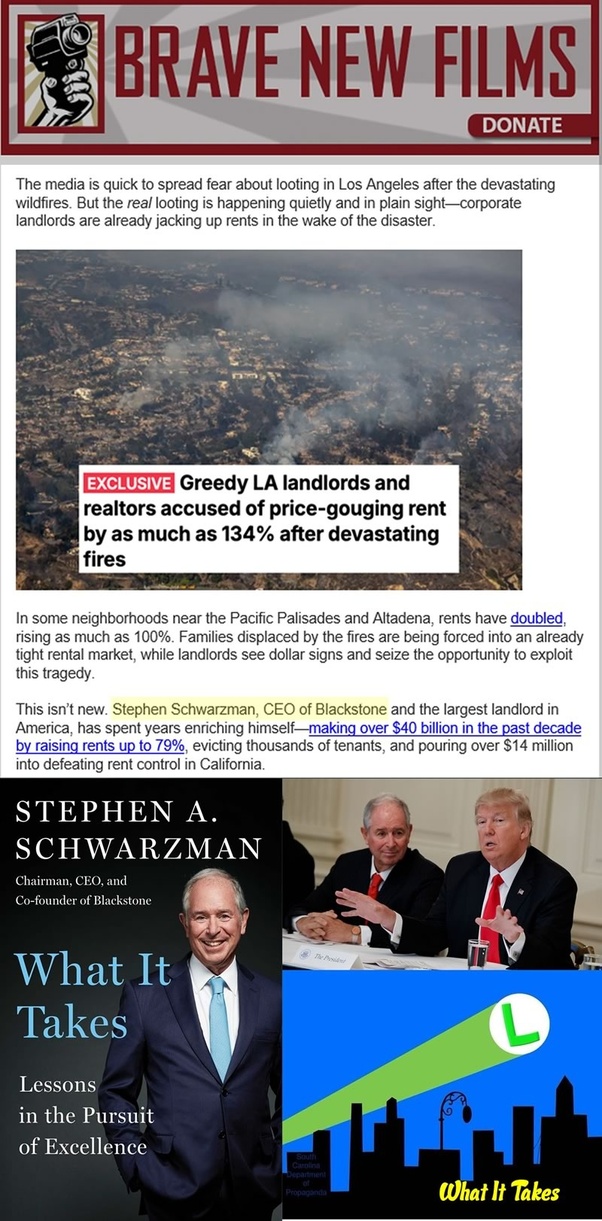
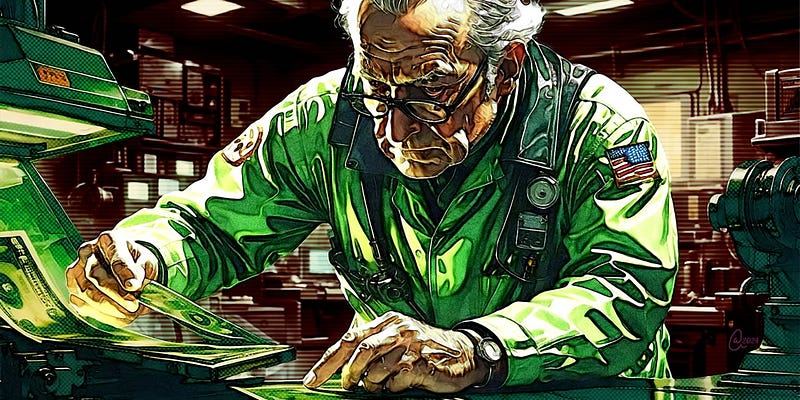
I was also prompted by what’s been happening in California with predatory real estate corporations owned explicitly by Blackstone and headed up by Stephen A. Schwarzman from an email I received from Brave New Films. It prompted me to create a provocative meme to post on Xitter that may be a bit too provocative for some but can’t be ignored as a practice that can only be endorsed by psychopaths who are responsible for the current state of dire straits experienced by victims of theirs.

This is an argument against corporate ownership of residential real estate.

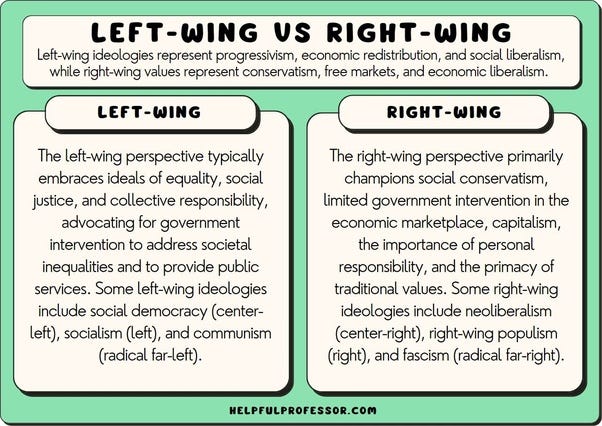
Are far-left and far-right ideologies inherently about hating people with different lifestyles?

This post is a response to a question initially posed on Quora, and can also be accessed via “https://www.quora.com/Are-far-left-and-far-right-ideologies-inherently-about-hating-people-with-different-opinions-of-lifestyles/answer/Antonio-Amaral-1

The presumption in this question is an oversimplification. It’s like saying the flu is about the sniffles, the chills, the sneezing, and the perpetual flow of mucus when it’s inherently about a virus infestation.

The hatred is the symptom of an underlying cause, or set of causes, as it were. The first cause is always the same and has always been the same throughout history, driving every public conflagration: living insecurity. In today’s world, that translates into economic insecurity.

We’ve had an odd confluence of events occurring throughout this modern phase of the class war we’ve been undergoing for centuries now and since the dawn of human civilization, as the small group of the most powerful among us seek (and have always sought) to sublimate the majority in service to their will.

Quality of life for the middle class has been steadily tanking while the ownership class has been leveraging the benefits of technological progress to ameliorate and offset the increasing hardship they’ve been imposing upon the rest of us.

For example, poverty only one-half-century ago was evident in that the appearance of failing to meet essentials like clothing for appearance was a hallmark indicating poverty. That’s no longer the case, as many of the most impoverished among the working class avail themselves of systems that allow them to maintain an appearance of modest living while enduring severe degrees of economic insecurity.

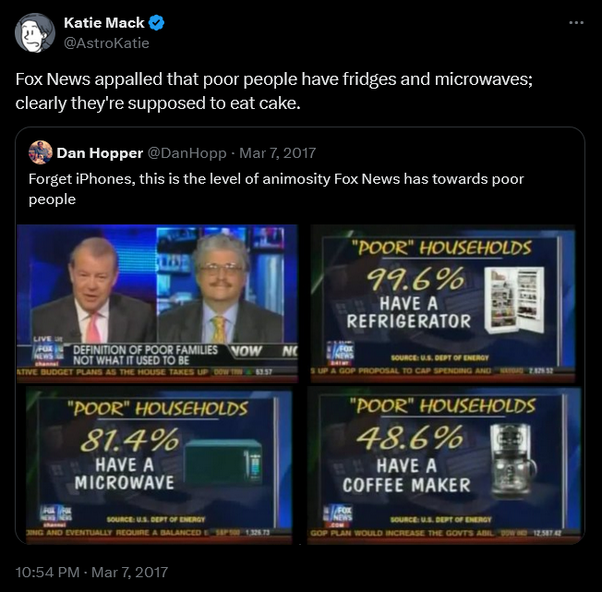
The Fox network made a big deal about people not living in poverty because they had refrigerators and microwaves. It is that kind of difference between poverty today and the poverty of last century that allows the ownership to more easily shame the victims of their efforts at impoverishing the majority in service to their hoards.

The harsh reality, however, is that most essential components of psychological health and emotional stability have been steadily stripped from the middle class in a stream of primarily invisible and ignored cuts over time.

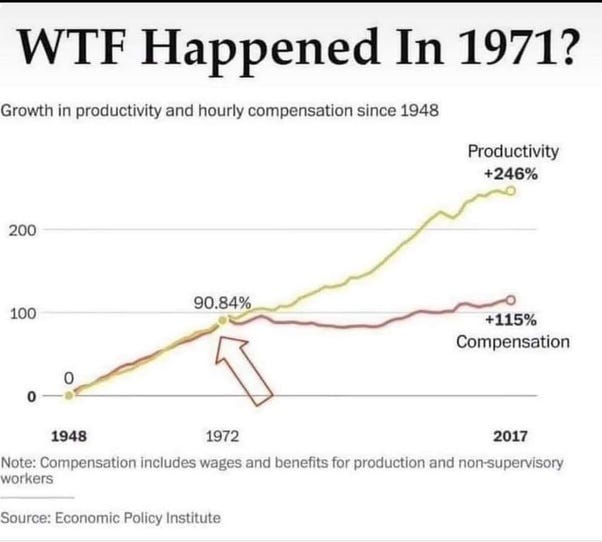
Compensation increases virtually halted for the middle class (and have even experienced shrinkages due to inflation), while income has skyrocketed for the ownership class.

The promise of capitalism raising people out of poverty from good ol’ fashioned elbow grease and modest living has vanished. The age of the Wealthy Barber lasted only a couple of decades before it was stripped from the people.

What we are left with now is a perpetual struggle for survival that has been steadily increasing year by year in the number of victims and the scope of theft perpetrated. The most privileged among us have had enough of an economic buffer to weather the storms that have destroyed the lives of millions victimized by the economic war waged by the ownership class against the working class. For many of those who would have qualified as being “upper middle class” fifty years ago and whose wealth would be more than double what it is today had the economy continued growing as it did during the heyday of Eisenhower tax rates, the economic war has remained largely invisible to them because they have not had to face the threat of food and housing insecurity that millions of working poor do today.

They may still face medical bankruptcies because those are huge bills that could and should be non-existent in a nation as wealthy as the U.S. However, the percentage of victims of that particular form of theft is relatively rare compared to the general population. We would otherwise have already had many Luigis acting out on their frustrations by now.

Instead, we have extremist right-wing groups on terrorist watch lists because they align themselves within their tribes and stoke their hatred toward those they blame for their woes. Occasionally, their outbursts gain public attention, but mostly, they’re made manifest in the ongoing and almost daily mass murders of innocent citizens and schoolchildren.

While the extreme right acts out their anger in unfocused ways, the left is targeted specifically on the causes of their anger. While the right victimizes anyone who doesn’t capitulate to their dogmatic adherence to the power wielded by those most responsible for victimizing them, like Stockholm Syndrome candidates, the mostly non-existent “extreme left” campaigns for economic justice through programs that restore equity.

Conflating the two as being identical is worse than oversimplifying a complex issue; it’s empowering the conditions that give rise to the hatred one seeks to demonize. It serves the narrative of a culture war perpetuated by the ownership class to divide the people further and distract them from the thefts perpetrated against them.

The irrational conflation made within this question merely functions as a self-fulfilling prophecy in which one declares a bullet wound fatal while stabbing the patient in the heart with a hunting knife to dig out the bullet.

This question is like accusing people of being jealous of Elon Musk’s money when the reality is that they hate white supremacists who install puppet rulers to destroy nations to attain their goal of empowering themselves at the expense of impoverishing the world. It’s a rather short-sighted attack on reality and the countless victims suffering needlessly in service to gluttonous powers.

Why is there so much misanthropy nowadays?

We have cultivated it by allowing our societies to grow into corrupt monstrosities that people have no choice but to struggle to survive within.

We have placed a physical resource like money at the top of our values and have dehumanized people every step of the way. At the same time, we convert human beings into disposable commodities.

We are dehumanizing ourselves at every level by endorsing a system that devalues the ineffable qualities of humanity because they are not viewed as profitable by industry. Instead, we have ways of further dehumanizing people by leveraging their despair against them with global institutions that dictate dogma to follow without question.

Everything has become reduced to a competition for tentative comforts that bear no intrinsic value or meaning beyond serving the immediate gratification of shallow desires.

None of this contributes toward the growth of those qualities of humanity that we value. None of this brings us together as people in common cause for the betterment of all. Everything is catered toward the propulsion of individuals we stratify with blind worship.

When we replace human qualities we cherish with an avatar, like money as a metric for determining their value, we become divorced from our humanity.

While living in a world that views wealth as an indicator of all positive human qualities, people inevitably start to develop disparaging views toward their neighbours because everyone has been left fighting over the same scarce resources that are left behind by the plutocrats dehumanizing all of us with a system they parasitically siphon of wealth at our expense.

We can only live so long with oppressive conditions before the effects grow out of control and well into making our environments breeding grounds for chaos.

Misanthropy is just an early stage of widespread systemic collapse.

This post is a response to a question initially posed on Quora. For answers to additional questions, my profile can be accessed via “https://www.quora.com/profile/Antonio-Amaral-1/

Is it possible that capitalism will lead to its own destruction?

This post is a response to a question posed in its complete format: “Is it possible that the ability of the Western-style capitalistic system to create great individual wealth will eventually lead to its own eventual destruction?”

I clearly remember my only extended holiday trip out of the country to visit Mexico in the late 1980s — around 1988. It was a fantastic month-long experience I had hoped I would do again within a few years while I was eager to explore the world. I had been living at that point, under the illusion that stability in my income would continue indefinitely while growing year by year as I applied my efforts diligently to what I was doing for employment.

At that point, I worked as an “Educational Counsellor” (according to HR) on the SAIT campus in Calgary, Alberta — a more familiar title for those with experience in post-secondary residence life would be “Residence Life Co-ordinator” — of which I learned many things. In this case, I realized job titles might be universal, but the roles vary dramatically from environment to environment. For the uninitiated, my function was essentially “Community Development,” I wore several hats to succeed in that role while being informed that I had developed — on a green field — the most advanced program in Alberta. I was pretty proud of my accomplishments and still have many good memories from that time.

In my early to mid-twenties, I believed I had developed a firm professional grounding that I could build a successful career for my future. That was less the case than I had hoped because I didn’t follow a defined career prescription and chose to carve out a path unique to my specific interests. There are many reasons for divergence from choosing the road more travelled, but they constitute a divergence from the opening sentence of this answer.

Rather than emulate Grandpa Simpson, I’ll say capitalism isn’t a formula or a universally applicable prescription anyone can follow and achieve great results if they stick to their map. The world I grew up in was filled with people who applied themselves throughout a forty-to-fifty-year stint in a role many hated but stuck with because they had mortgage payments and a family to feed. They could maintain their commitments for so long because the carrot of retirement at the end of their trek meant mortgage-free home ownership.

The first winds of change to that dynamic began to blow around the time I managed to see a small part of the world that was foreign to me. Ronald Reagan was president then, and his betrayals of the working class hadn’t been felt or predicted because the heyday of tax cuts left a lot of cash on the table for people to party it up. It wasn’t until the spend-like-a-drunken-sailor party began winding down that the hangover of austerity began kicking in — then came the dramatic downward slide of uncertain futures.

Lifetime jobs began to disappear as fast as the unions started disappearing.

At any rate, this was all academic to me at a time when I was excited to go on a month-long excursion to an exotic tropical locale that I had been familiar with from books but was eager to experience first-hand. I spent a couple of months in preparation for my trip by learning Spanish as best I could — which was relatively easy for me, having been raised in a Portuguese-speaking household. In several cases, it was more challenging for me to separate the two languages while I spoke. I had to think about my word choices to realize I may have used an unfamiliar Portuguese word when greeted with a quizzical expression.

On the other hand, it was like music to my ears when I heard a Spanish word identical to the Portuguese version of the concept. “Bastante” was such a word that made my heart jump in realization of how much both cultures have in common. The locals seemed to appreciate my efforts at communicating with them in their language and, at times, treated me like one of them. My travelling partner at the time received no such courtesy and was open about expressing her disdain toward this dynamic. For the record, I did try to help her learn the languages alongside me. However, she wasn’t very interested because she felt we would encounter enough English-speaking locals to manage without all that trouble.

Ironically, this was also my first experience with Americans abroad. I learned why many Americans affix Canadian maple leaves to their luggage when travelling abroad. I found it very easy to pick out an American from a crowd in Mexico. This isn’t to say that all were quite so brash and boorish in their entitlement, but every time I witnessed someone behaving in an overtly aggressive manner, it was always an American. To be clear, my point isn’t to trash Americans in general because I’ve known several who are decent people, but we can’t ignore the psychosis plaguing the nation at the moment without lying to ourselves about how much of it has existed for a long time. It had just never been so apparent before the afflicted began donning their colours in a political alignment of hatred as we have now.

At any rate, Mexico was and is a capitalist country, and that’s what this answer to the question intends to address. Of the many things I noted and was in awe of, such as the culture and witnessing with my popped open eyes, and the marvellous artworks of notables like Diego Rivera’s murals, was that the nature of its capitalist culture stood in stark contrast to what I had experienced in the much more subdued Canadian environment.

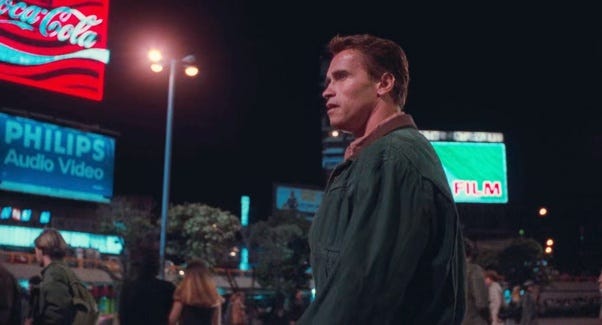
For example, my younger and naive self was quite shocked to see armed guards outside and inside every bank and shop that sold luxury goods like jewelry. This was in the “Zona Rosa” (Pink Zone) in Mexico City — a multi-block area expressly set up for tourist accommodations. Poverty was rampant, and street vendors, known as “ambulantes,” were everywhere outside the Zona Rosa in Mexico City that we travelled who set up tables at the train stations. (I remember being excited to see the Metro Station area we used as our starting point to our daily destinations a couple of years later in the 1990 movie Total Recall.) Walking around Mexico City in parts was like walking through a gigantic outdoor flea market where one could buy from an assortment of cheap electronics, music CDs, and crafts.

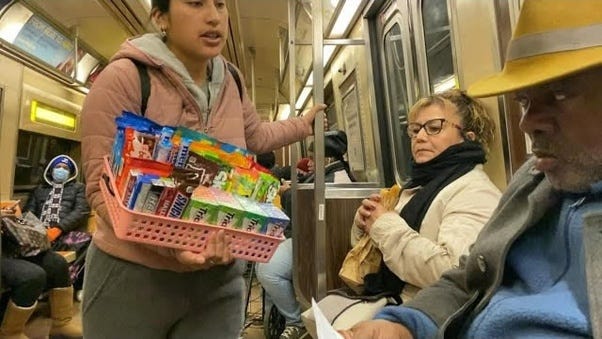
We travelled a lot by bus on excursions outside Mexico City while there for about one week. Each time we boarded a bus or when the bus stopped at locations along our route, three to five vendors wearing strapon trays filled with goods stepped on board to make their rounds and entice people to buy sticks of gum, candy, breath mints, and what have you of small goods they could carry.

(This is a screen grab from a video on a NYC subway that I found while searching for vendors at transit stations in Mexico. The hustle-culture trend from impoverished nations to the south has moved Northward. During my visit to Mexico, this was such a common event that no one responded with the shocked surprise and suspicion seen in this video. There would have been at least two or three other candy vendors on this subway if it had been the Mexico I experienced.)

This was the definition of a “hustle culture” before the term was coined.

Every poor person was a budding entrepreneur.

Mexico was dealing with serious political issues that were mainly responses to the widespread poverty that existed then. I remember hearing news of a Zapatista uprising nearby when we stayed in Oaxaca for a time before arriving at our final destination in Puerto Escondido, a beautiful and secluded beach resort.

At this beach, I experienced my most stark introduction to the world of capitalism through the lens of poverty.

I had been lazily falling asleep under a tree on the beach when I felt something graze the top of my head. I initially swatted away what I thought was an insect, but it continued to flicker on the top of my head. When I opened my eyes to see what was going on, I saw what must have been a barely eighteen-month-old child wearing only diapers and holding a wire coat hanger with handmade bracelets attached to it.

I was pretty confused by the scene as it presented itself to me, and then I saw a woman standing about ten metres behind him with a smile, nodding her head and pointing to the child. That was when I registered that this child was a street vendor in the making and his mother was using him as emotional leverage to make sales.

That’s the image I can’t get out of my mind when I think of capitalism.

Capitalism is a promise made to the desperate to survive that they can succeed if they’re willing to be creative and put in the effort to work at selling either product or themselves to get their material success.

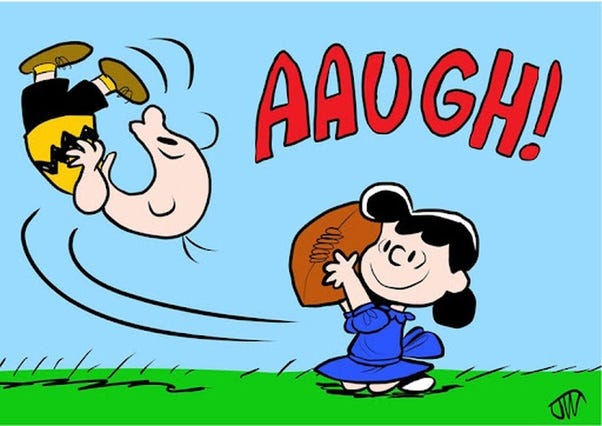
Unfortunately, it’s a promise made by the Lucys of the world to the Charlie Browns of the world that they, too, can kick the football over the goalpost if they concentrate enough and put all their effort into making that magic kick to achieve their dreams.

The desperate to survive have no choice but to play the game while knowing after a while and after having the football yanked away at the last microsecond before each kick attempt that capitalism is a game played at their expense.

There have been too many times in my life when that magic kick was within my reach, and it was yanked away by some greedy sociopath who decided their desires outweighed the needs of the many. Their Lucy attitude was rationalized in the same terms every person who combines psychopathy with manipulation as their vocational strategy for material wealth does; collateral damage is justified as the cost of doing business. If people go bankrupt as a consequence of some decision to benefit personally, then it’s their fault for making a bad choice.

Because we have put no restraints on greed, capitalism will fail, not because capitalism is flawed but because humans are flawed in their social contract-betraying greed. Moreover, humans lack the desire to regulate greed, which has always resulted in the harshest lesson in life, as history has repeatedly informed us and that the Brian Thompsons of this world have been ignoring.

There are many more Luigis among us, and if the perceived solution for the billionaires is to beef up their security, they will also regret not taking the road less travelled… not because anyone wants that. Victims only ever want justice.

“Those who make peaceful evolution impossible make violent revolution necessary.”

Should the rich not help the poor?

This post is a response to a question initially posed on Quora, and can also be accessed via “https://www.quora.com/Should-the-rich-not-help-the-poor/answer/Antonio-Amaral-1

People who ask this question have entirely missed the point.

It’s like asking the con artist who stole all your money if he can lend you a few dollars to feed yourself on a promise that you’re going to pay him back.

The rich are both responsible for the poor and are not responsible for them.

How does this work?

Simple.

The rich do what they do best, and they make as much money as they can so they can become rich.

How do they do that?

They spend all their time and energy scheming ways to extract every penny of value out of every moment in their lives and through every micro-transaction they have that most people think of as just spending time with friends.

Since they have the resources to influence legislation in ways that enrich them, that’s what they do.

Most people would take advantage of any opportunity they can to enrich themselves. Most people don’t have the resources to do that. Most people also don’t obsess about every penny everything costs or how much they can make from any interaction.

Life is transactional for the wealthy, not interpersonal.

The only true friends that some of them have are those they cannot extract wealth from and that are not a threat to their financial well-being. That means most of their interpersonal relationships are shallow and transactional. They experience very little to no emotional vulnerability. That part of them has been shut down.

What that means is they cannot feel anything for the poor. They can’t empathize with poverty on any level. Poor people are an abstraction to them, as inevitable as night and day. They don’t see themselves as responsible for the poor, nor should they because they have their own lives to live, and poverty has existed since the dawn of human civilization.

They were not the first contributors to poverty. Even up until a few decades ago, their wealth-building activities helped people rise out of poverty, and that’s where their imaginations live today.

They cannot conceive of how their successes are now responsible for creating poverty because they view themselves as above reproach. How could they be so wrong if they’re so wealthy?

That’s why people like Elon Musk can become such an overt egotist. It doesn’t matter how utterly disgusting any of his words or actions are because he’s so wealthy; he cannot accept that anything he does is wrong.

The real problem here is that the wealthy are the victims of their success, and that success has manifested in a system that automatically feeds that wealth. Instead of a system which regulates wealth to ensure it is adequately distributed throughout society to continue raising people out of poverty, it’s now become a system of parasitically draining people to the edge of existence. People now cannot survive without additional measures to enable their survivability.

During the heyday of middle-class growth, society spread money more equitably, and the economy grew at its most rapid rate ever. Few people want to believe this, but that was due to taxes.

High taxes on the wealthy were responsible for raising the most people out of poverty and contributed to the most growth of the economy.

Have a look at this tax chart:

Notice how the years circled by a red border comprise the highest level of taxes, the most aggressive economic growth, and the most expansive growth of the middle.

How does this work? It’s simple beyond belief.

High taxes on corporations, in particular, incentivize them to hire more people — voila, an instant job growth formula for the economy. Paying people more is much easier to bear when it means a tax deduction on the other end. High employment rates and fair compensation (also guaranteed by union negotiations) stimulate economic growth. Everyone benefits. People rise out of poverty. More people have more disposable income to buy the stuff that corporations make, which corporations benefit from.

High taxes on the wealthy contribute to fair wealth distribution throughout the system and allow prices to maintain some sanity so that the middle class isn’t deprived of their dream of home ownership.

Since the wealthy, through their corporations, need to keep investing their money to keep it growing, it means they begin encroaching in areas that would otherwise be accessible to the lower classes — and that mostly means real estate and real estate is a finite resource. Suddenly, most rental accommodation is no longer small mom-and-pop entrepreneur but a multi-trillion-dollar entity whose goal is to squeeze profit from every transaction. Living expenses skyrocket as a result.

What was once available for living accommodations on a standard metric of 30% of one’s income is now 70%-80% of people’s income — for just a roof over their heads.

Since real estate is a finite resource and the appetite for wealth acquisition is an immense monster feeding the people employed by this system, they’re constantly looking for new opportunities. In the real estate market, that’s now become mobile home lots and campgrounds.

One used to be able to rent a piece of land from a local owner and plant their mobile home on that lot and pay a small fee to maintain services. Since all the lots are now owned by corporate entities instead, fees have to increase every year at a minimum to keep up with inflation and a little extra profit built-in on top to make their budgets balance. It’s an automatic decision-making system where no one cares to pay attention to the few extra dollars being asked of people, nor do they care that every corporation is doing the same thing so that the few extra dollars asked of by each adds up to lots of extra dollars from consumers whose incomes have remained flat or shrunk throughout the decades.

Voila… an instant formula for making the poor ever more poor.

Now… have another look at that tax table and pay close attention to the tax rates outside the red lines — particularly before the red-lined years begin.

Notice how they coincide with major events like The Great Depression and World War 2.

Then, look closely at the tax rates after the red lines. Notice how we are repeating history.

That’s right. We are repeating history, and it shows in the tax rates.

What’s next is an economic collapse and worldwide conflict that may or may not escalate into an outright global war. We are at a point where global conflict is a certainty. As the American economy collapses due to the radical incompetence of a grifter whose primary motivation is self-aggrandizement, the rest of the world will be busy jockeying for position in an emerging new world order.

The wealthy are okay with this because they stand to benefit from it, just like they have with the boom and bust economies. It means excellent deals for themselves as they pick the bones of the casualties who won’t survive the meltdown. They are not loyal to any nation because the entire globe is their playground. Nationalism is for the sheep they manipulate to do their bidding.

How can Donald Trump truly believe his act of kissing the American flag when his bread is buttered from Russia? In this respect, he’s no different than most who place their loyalties in the hands of those who feed them.

The people he convinced to be loyal to him sincerely believe he will help them improve their lives. If the best they can expect is to destroy the lives of their enemies, at least they’re okay with that. As long as they can laugh at their fellow citizens, whom they’ve been taught to hate, they can accept impoverished conditions for themselves.

That’s when the mask will fall off, and they begin to realize that the impoverished conditions they live in that they’ve accepted also make them the most vulnerable to the destructive efforts of a corrupt leader whose sole purpose for leadership was personal benefit at the expense of a nation.

The real lesson here is that the only way out of poverty is to embrace the notion that we are all in this together.

United, we stand and divided, we fall.

A historic wedge has just been hammered into a cultural divide that’s been slowly growing over the decades as the wealthy have been pitting the little people against each other to distract us from their efforts at ripping us off to increase poverty levels.

Imagine, within a small group of friends, one with the highest income always manages to forget their wallet and sponges off their comrades when they go out to dinner together. Imagine how angry everyone gets, not by their sponging, but by their constant whining about how shitty the service is that they get and how expensive everything is.

Most won’t notice because they value loyalty to their friend and will displace their subjective resentment of their sponging and project it onto the wait staff and restaurant they dine at. Eventually, they get so pissed with the restaurant that they burn it down.

Meanwhile, none of them notice how they’re going to miss that restaurant, nor how they got pissed at it because one of their dining comrades needed a scapegoat to distract them from their sponging.

That’s where America is today.

Tomorrow, without the restaurant, everyone goes hungry while the one comrade who sponged off everyone gets to rely on their hoarded stash because they didn’t spend any of their own money on eating at the restaurant.

It’s not up to the individual rich people to help out individual poor people because that’s like pissing in an ocean. No single rich person can solve poverty. However, all of them working together to restore sanity to a broken system can function like creating a rule for the person who sponges off the rest that mandates they pay their fair share or be denied access to the restaurant.

Expecting a few altruistic wealthy people to make up for the greed of the rest is unfair to them.

Our system has been corrupted to punish those with good intent and reward those with evil intent.

That’s why we’re doomed to repeat history.

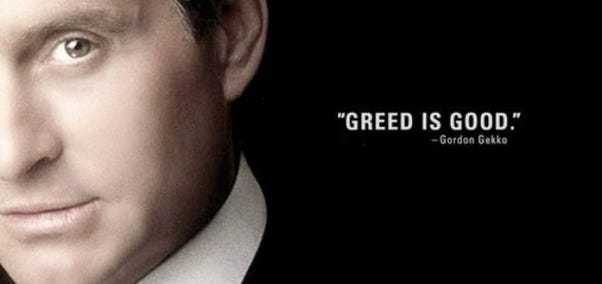
People watched Gordon Gecko’s claim, “Greed is Good!” and interpreted that as an inspiration instead of a warning.

Why shouldn’t the factory of money just make money to stop poverty?


This post is a response to a question posed in its complete format: “Why shouldn’t the factory of money just make money and deposit a fixed amount into everyone’s account around the world to stop poverty and see what’s going to happen on this Earth?”

There is no “factory of money.”

There is a means of adding value to a raw state measured by money.

Even though we have money printing systems, money doesn’t magically appear from nowhere.

Money isn’t a magical piece of paper without any connection to the reality in which it operates.

Money is a token representing effort.

At its most basic level, money is a metric that determines labour volume, quality, and output.

Each person’s labour adds value to society and is supposed to be reflected in the amount of money each person has.

Money as a concept works exceptionally well as a store of value and a medium of value exchange.

What is screwed up in our economies is that we determine the value of each person’s contributions on largely subjective bases.

For example, there is no way that any executive on the planet works one thousand times harder than their front-line staff. It can be argued that the value of an executive’s labour is higher than that of the janitor, but it is also not one thousand times more valuable per hour.

That’s where the disconnect occurs in society and why poverty is not being solved as a problem even though we produce more than we can consume.

The problem we have been suffering from is due to a deliberate strategy for upward wealth redistribution. We have been lied to when told that the billionaires among us are the job creators. We have been lied to when our economies are structured around a “trickle-down” (and parasitic) economy that shuts down economic growth in favour of growing hoards by the few.

The problem, if the economy were a human circulatory system, is that we have allowed massive deposits of plaque to gum up the works, and it’s now threatening the entire body with systemic shutdown.

We need to clear up the plaque buildup and restore our circulatory system to full functionality — and that’s referred to as “speed of money” in economic terms.

The best way to accomplish that is to provide for the basic needs of all members of a society so that each is empowered to negotiate fair treatment in an environment characterized by abusive mistreatment by employers.

We can’t end poverty by printing magic money. If we try that, we ensure a global collapse due to the stable value of money becoming entirely destabilized. Doing that would send the world’s economies into a tailspin.

We need to reverse the effects of the upward wealth redistribution schemes we’ve allowed ourselves to be conned into adopting, as we have proved we learned nothing from history.

We’ve been here before, and our naivety cost us a world war to learn why making the rich richer at the expense of the poor was terrible.

The best way to make the rich richer is to concentrate on helping the poor become rich through their efforts to better themselves and their lives as they are so motivated. The rich will always benefit, but their benefits are long-term and stable if they invest in the people who make them rich instead of scheming to rip off the little people and pit us all against each other.

This is not rocket science. None of this is a mystery. We have had over a century of direct experience creating the economic problems we are dealing with today and solving these problems.

We could take the long-term route of making unions mandatory. We could restore economic equity in a few decades and start seeing the middle class grow again.

Or, we can institute UBI and dramatically change the dynamics of abuse between those with power and those without almost literally overnight. The additional bonus is that we save a lot of money when dealing with social issues by providing a comprehensive social safety net. We become far more successful in enriching the rich because hundreds of millions of people worldwide can pursue their initiatives and supercharge the capitalist economy with unprecedented levels of innovation, adding an immeasurable amount of value to the economy that would wipe out poverty across the globe much faster than re-empowering unions alone could accomplish.

Temet Nosce


Join the Conversation at https://ubinow.quora.com

Anyone wishing to engage in a dialogue on UBI is invited to participate in an open space on Quora dedicated to the issue. You may need to register for a Quora account — It’s free, and I don’t get any kickbacks from it. This space is intended purely for stimulating discussion on the topic — there are no hidden surprises beyond possibly needing to join Quora if you want to post comments. Visitors to the site can read the content without registration hassles.

https://ubinow.quora.com/