How Much of Political Messaging Relies on Public Bias?

This post is a response to a question posed in its complete format: “Are politics and marketing highly dependent upon, and structured around, the inability of the masses to think logically, act responsibly, and go beyond surface thought; especially go beyond surface thought?”
“All Publicity Works Upon Anxiety.”

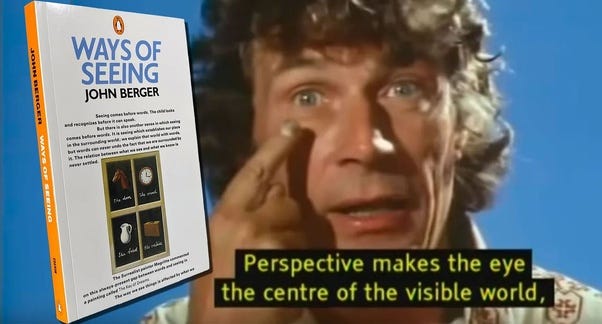
John Berger’s “Ways of Seeing” was an excellent introduction to my young mind as an art student in the early 1980s, helping me become more consciously aware of the then-daily bombardment of thousands of messages. It’s been decades, so I vaguely remember it, but I recall being repeatedly reminded of it over all this time. That suggests some “staying power” in my mind, with value over time. The book and/or the four-part documentary series created from it are both worthwhile experiences.
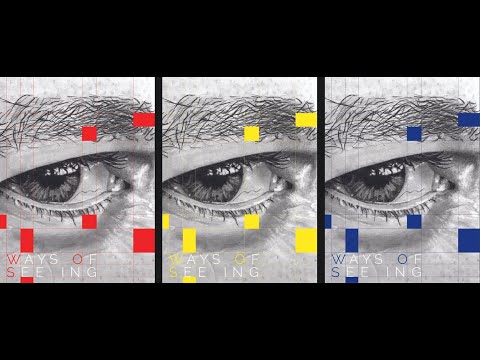
All four episodes have been combined into a single 2-hour YouTube presentation.

“We never look at just one thing; we are always looking at the relation between things and ourselves.”

The numerous concepts this short volume addresses introduced me to the layers of meaning in the images we encounter. The venue, the presenter’s intent, and the state of mind we bring to the viewing experience all coalesce into a unique perception we create for ourselves.

We are bombarded daily by thousands of images, according to the observations made in the early 1970s. I imagine the then-massive number I don’t quite recall at the moment (and am too lazy to scrub through the video to find it) has mushroomed by orders of magnitude since.

Marshal McLuhan challenged presumptions about media and its consumption.
We learned to think strategically about the messages we consumed.
His maxim, “The Medium is the Message,” gained him some notoriety among the media-savvy.

Then came “SEX” on a Ritz Cracker;
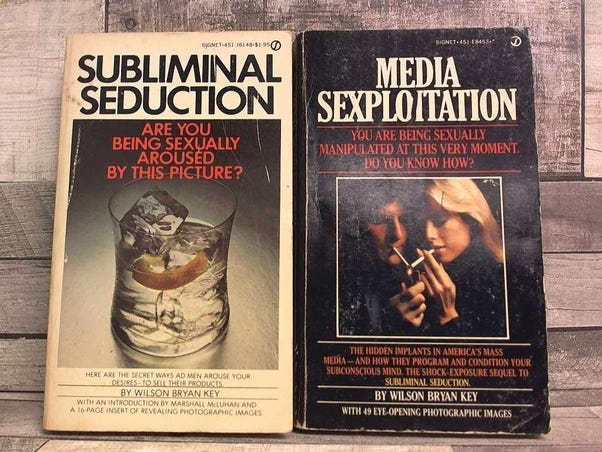
I’ve referred to a “we” requiring a definition. I think it was implied in “media-savvy” because it relates to awareness of what we are expected to believe and why it is essential to accept what is desired of us.

To be “media savvy” means being aware of the content of the ideas we consume and of how we choose which ideas to consume.
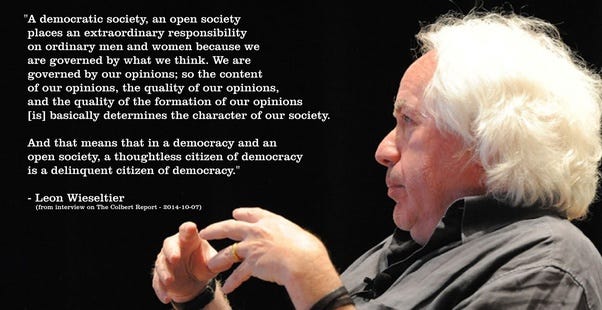

All Communication is Purposeful

We communicate not out of a compulsion to occupy idle time,
not even necessarily for social entertainment,
at least not when we go beyond the most superficial levels.
We communicate with one another because we must to survive.

Without communication, we would not be here today to examine our communication.

Who benefits most from what we believe?
It seems less about the people and more about benefiting those who have benefited most from a predatory system.

The above examples are from popular social discourse, about forty years ago and below is an example of current popular discourse:

(I refer to this example above as “popular” because it represents strategic messaging to serve a communication function of industry within the broader context of a culture structured around industry, economics, and consumption.)

The strategic manipulation of messaging is prevalent throughout society, in every domain, from interpersonal dynamics to international relations.

Whatever humans evolve into, some form of socially cohesive network of “shared perspectives” will perpetually question our experiences and compose new narratives to correct our collective perspectives.

Many of us do so with earnest and deep commitment to learning. Most will spare what time they can through highly structured days, allowing minimal opportunity for reflection.

We won’t stop thinking and talking about our experiences because we can’t. Willful ignorance may take centre stage from time to time, but it eventually gets the hook to exit left as it’s booed off the stage.

If the story doesn’t touch grass and meet reality, the people eventually figure out we’ve all been played for suckers by ever bigger games of power, and we find ourselves repeating history as ever-expanding dominions of power promise unity and deliver submission.

The barrage of imagery, sounds, videos, and merch-oriented stories has become increasingly overtly political. Factions grow around concepts and issues, not geography or physical commerce, but in the world of ideas, of how we think, how we see the world, and how the world looks back at each of us.

What do we want?
Certainly not chaos?

Chaos invariably leads people to one incontrovertible conclusion: for communication to succeed, there must be a relationship of trust. Without trust, there can only be chaos.

Choosing trust is a binary decision about life and what that means to each of us, from micro to macro scales, now encircling the globe.

Trust Means Accountability:

One hundred years ago, our circles of trust were local and lifelong.
Today’s global reach with casual effort was unimaginable then.

Where we end up one hundred years from now is provocative to contemplate. Some form of examination of the information we consume will continue for as long as some similar form of abstract thinking persists.

How Aware Are We Today?
Or, how much awareness can our general public sustain without inviting chaos?

What do we reeeeeally know about what’s going on around us?
Well, that’s easy, chaos.

Changes are occurring everywhere while everyone competes for resources and integration into the general machinery of social production.

We know how power structures coalesce to construct universal narratives about the acceptable social order we are encouraged to support, while our own needs are increasingly neglected.

We know that some messages aim at social disruption, whereas others aim at social cohesion.
What we do as a society to facilitate cohesion after a half-century steady diet of failed promises.

I’m reasonably sure most of the public knows, or is becoming aware of, the apparent disarray in our politics. How dependent is this massive economic superstructure on our willing participation?

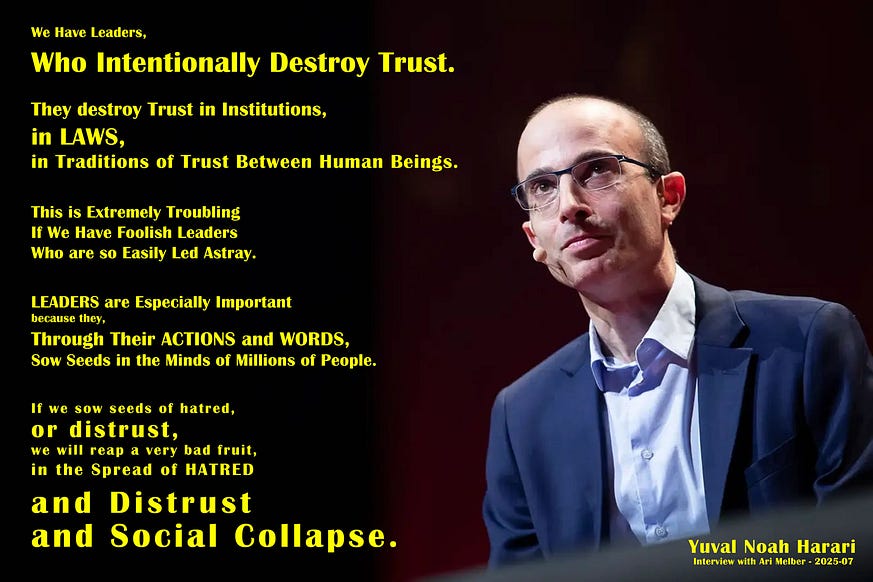
We must have leaders we can trust who will represent the needs of the many over the few who benefit most from a corrupted system gone askew.

New Memes Category

This is my first test of the categories feature on WordPress as I organize my thoughts under a common umbrella free from submission to often inconsistently applied rules through the various social media and other platforms I’ve been spreading my content around on like it were runny peanut butter flowing like sludge from too much oil.

At any rate, my intention in this category is to create a repository of memes, from which I’ve already created *many* over the last year and beyond. As of this posting, I’ve been revitalizing my WordPress account with a daily editorial that I’ve culled from my daily contributions to Quora while answering questions as a form of therapy for a long story I’m still trying to determine how best to share it with the world.

If I find the categories feature here on WordPress helpful and flexible enough to address my concerns with sharing that story, then I plan to add a few more categories soon. I may include my story and links to online print-on-demand sites I’ve been testing out as I adapt my content creation efforts to this site.

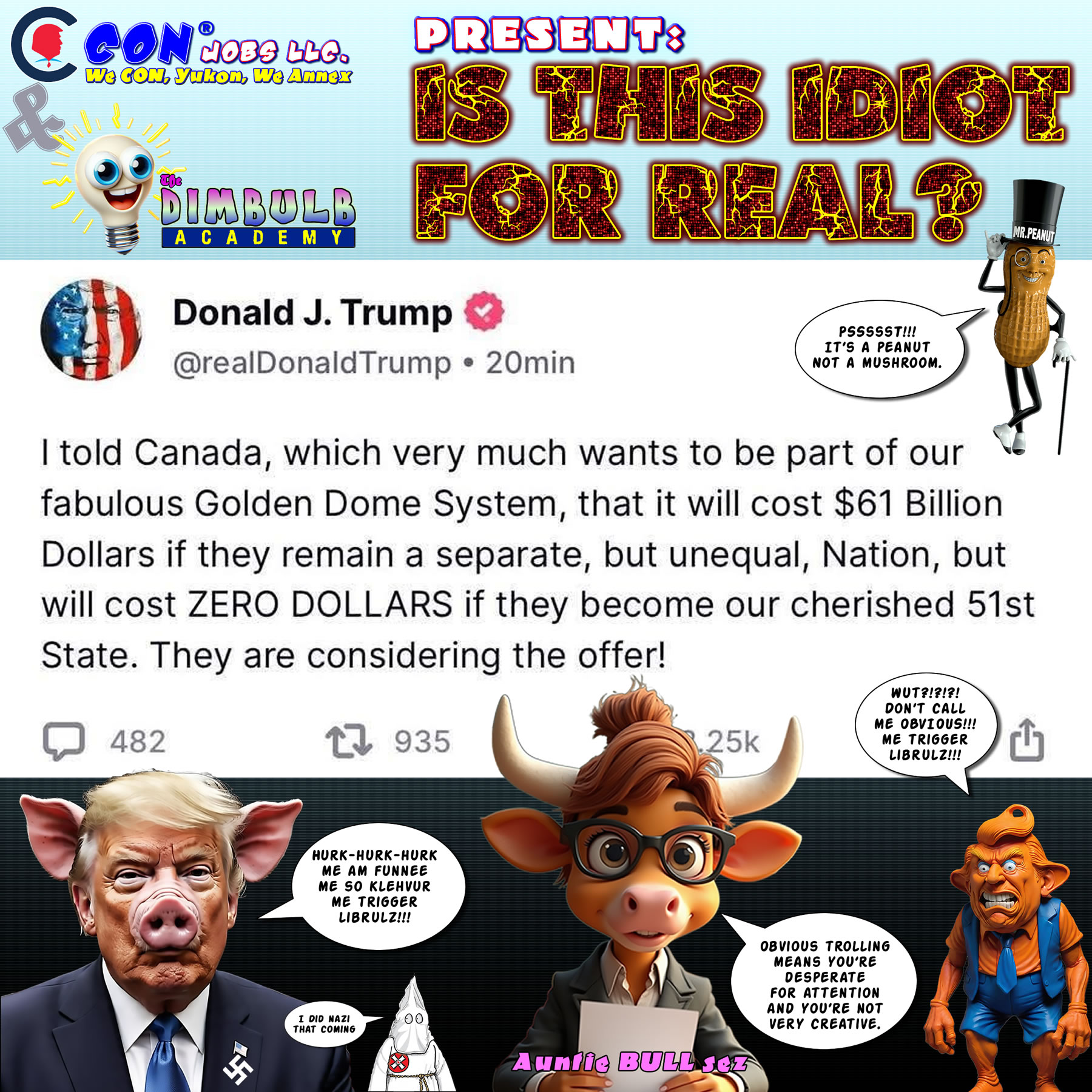
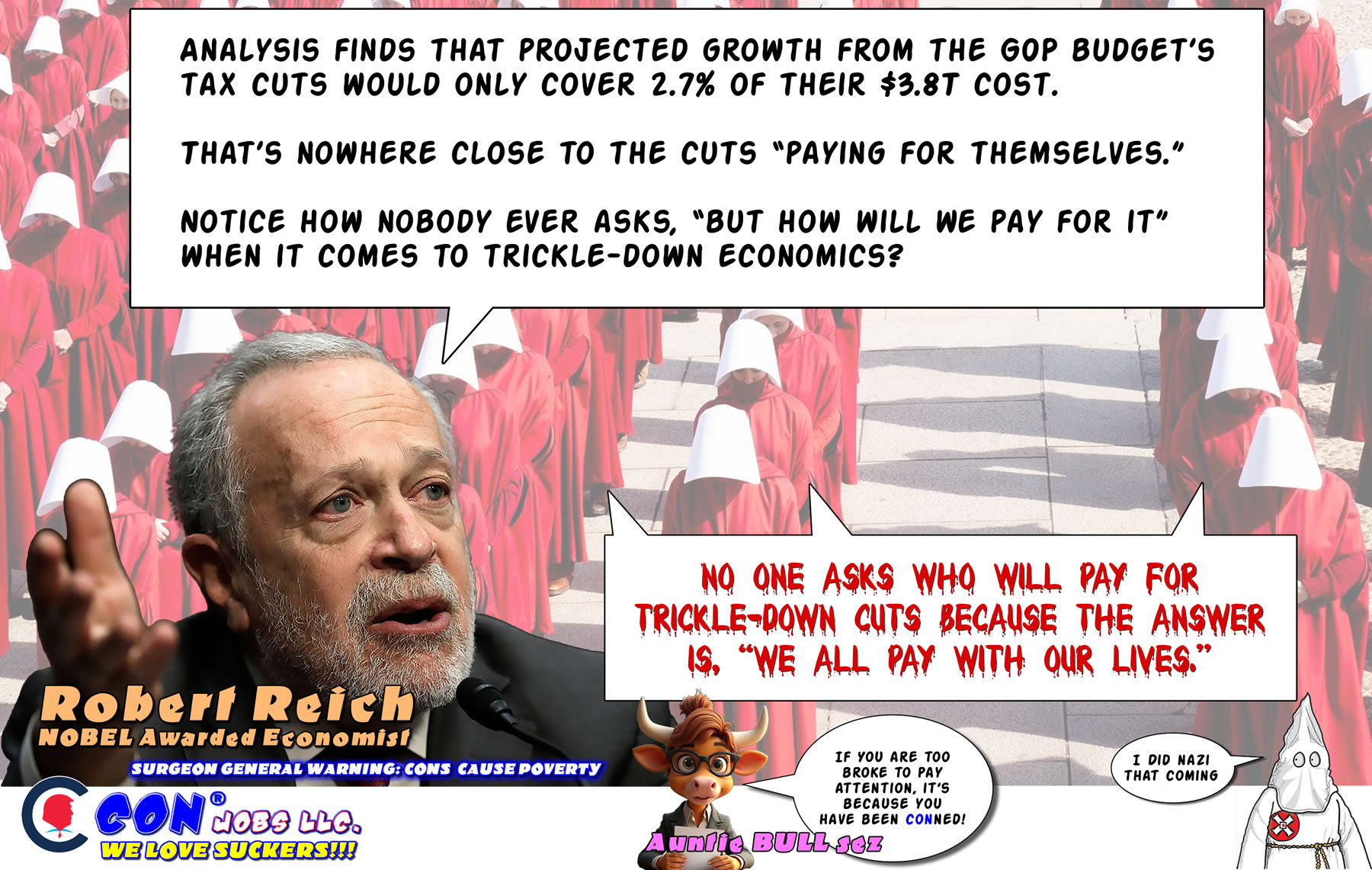
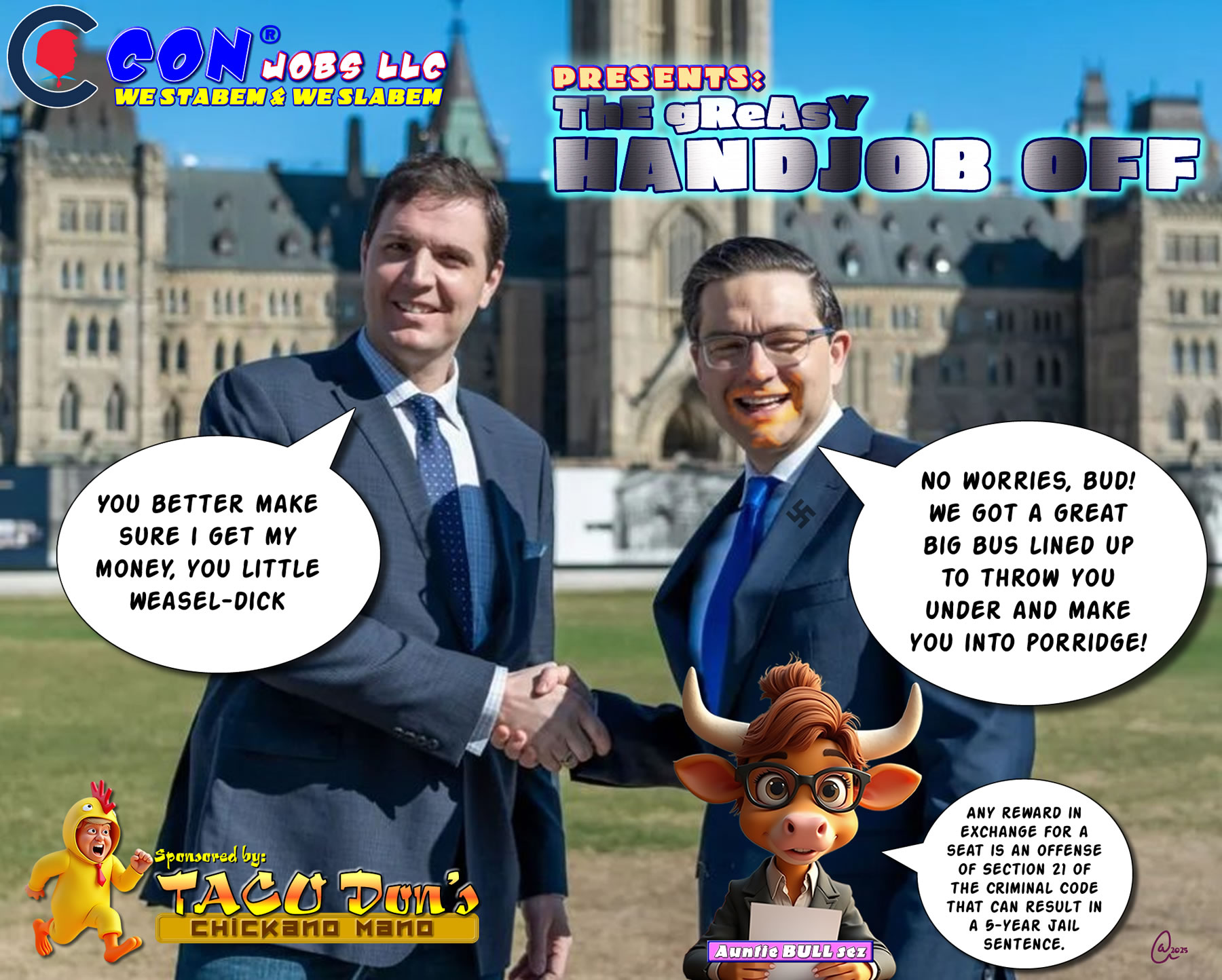
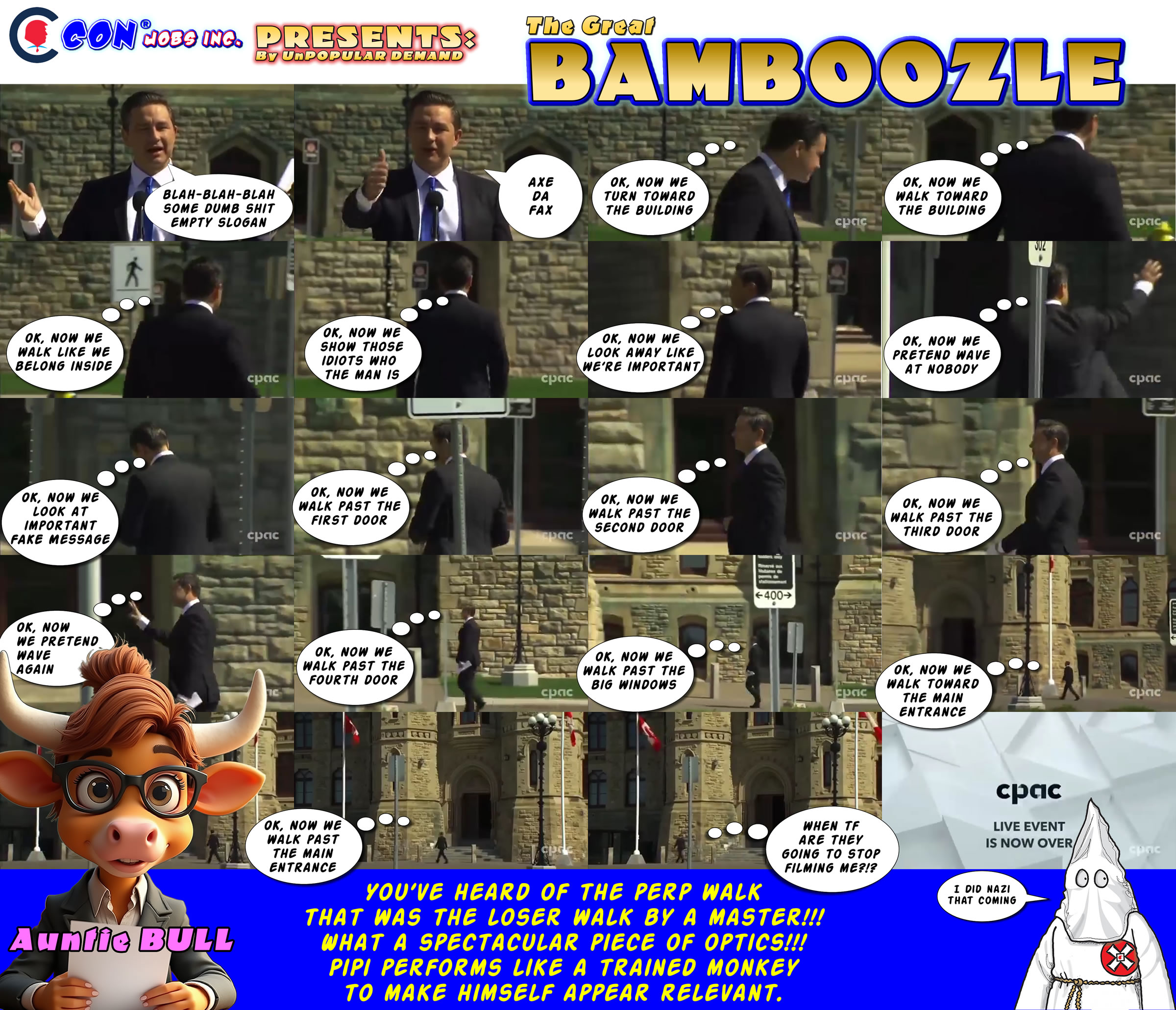
Here are a few of my most recent meme creations, which I hope you find humorous enough to steal and share.

Cheerios

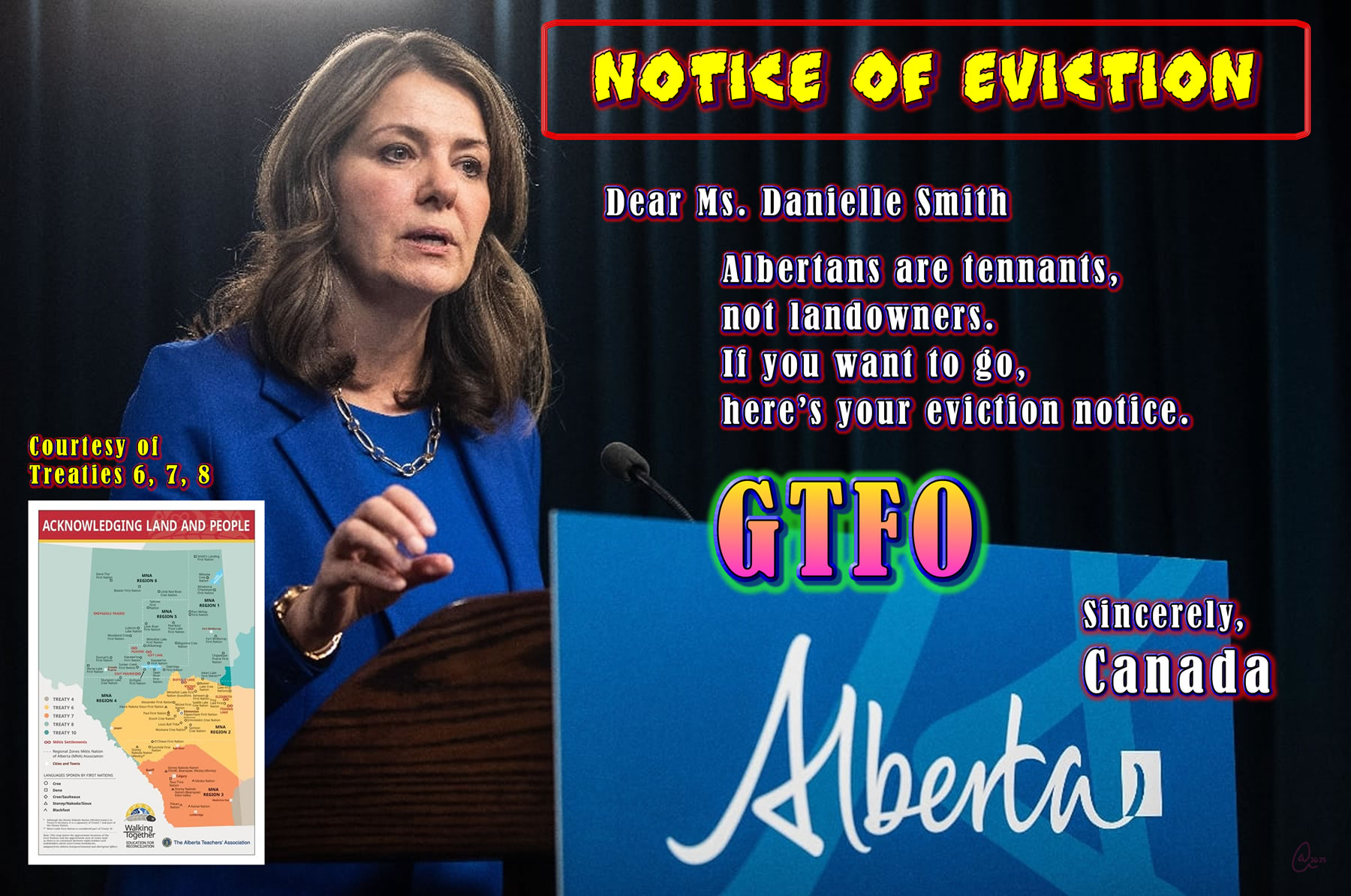
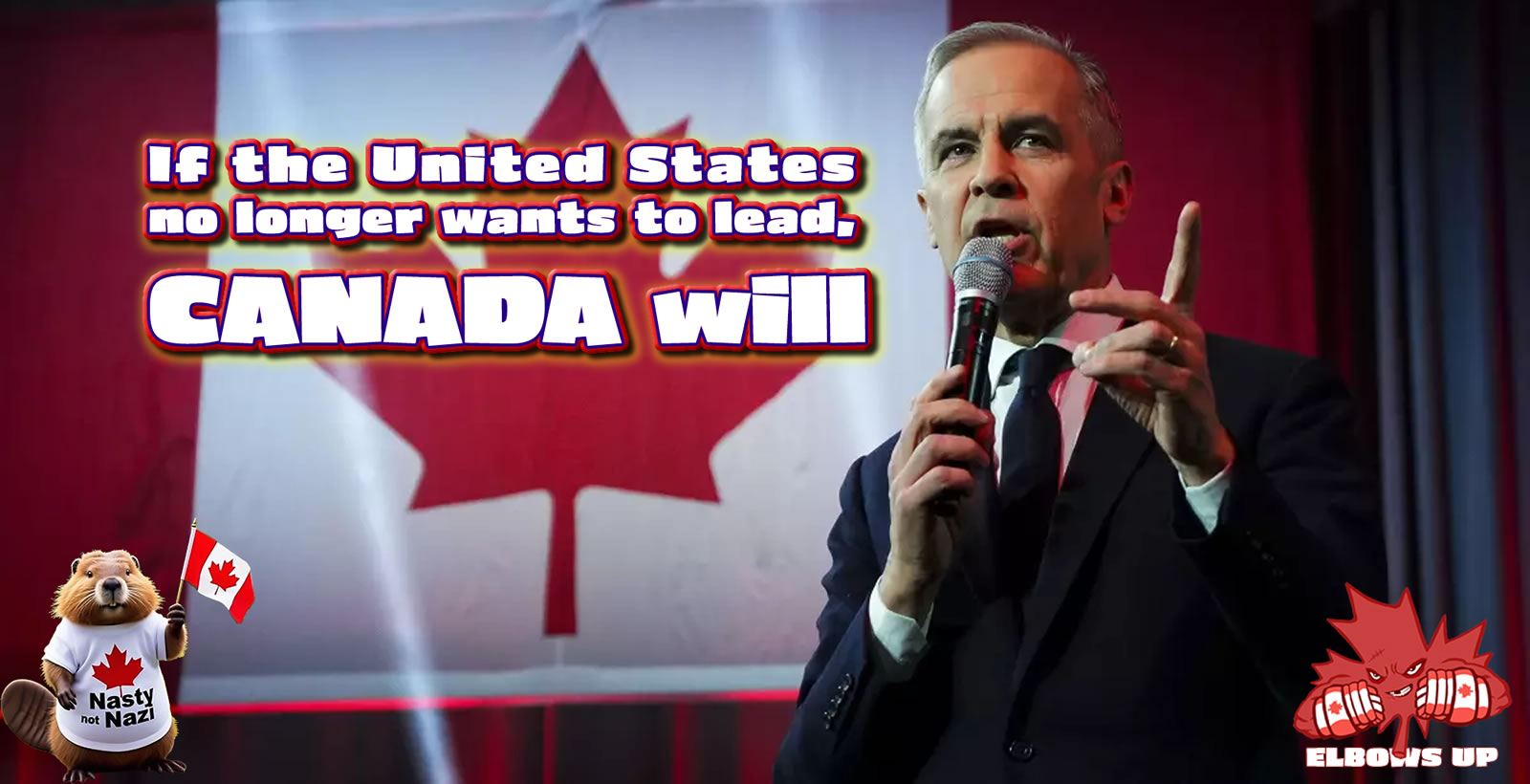
Today’s memes are in the theme of political mockery (as most of my meme creations generally target Canadian and American politics, but can vary).

PS. These are all of a high enough resolution to print at a decent enough quality on letter-sized paper.

Americana Believe their Shite (This first one includes a censored version, which, you guessed it, became my inspiration to explore options while rethinking how to share my memes):

Canuckian Politics:

While posting these, I noticed a slideshow feature I may explore while posting older memes that are outdated for addressing current issues, such as memes I created during the election season.

I hope you enjoy them and can find some value in resharing them.

Thanks for reading and for your support. I hope to grow this into a viable venture that can sustain both body and mind, and I sincerely appreciate your visits, upvotes, and comments.

Thank you.

What would be some hallmarks of a Utopian civilization?


This post is a response to a question posed in its complete format: “If you lived in an advanced-utopian civilization, what would likely be some of the hallmarks of said thriving and freedom loving society?”

On my way to where I am now to undergo a first-time experience that I’m not looking forward to, I had the opportunity to observe a passenger on the bus who prompted me to think about the environment I grew up in.

This person, who appeared somewhat masculine in his maleness, was adorned with a few piercings that were never seen in the backwoods troglodyte village of toxic masculinity I grew up in, but that was not what caught my eye. I’ve seen enough piercings, tattoos and a variety of body decorations now that most of it goes unnoticed.

In this case, his nails first caught my attention, and the colour he had painted on them appeared an aesthetically pleasing burgundy. That’s what prompted me to notice the rest of his presentation.

My cultivated biases assumed unimportant superficial characteristics about this person. Still, upon further glances, I felt them melt away because, beyond the decorations, he appeared like a typical CIS male to me.

I wondered how much of that approach to aesthetics I would have adopted had I been raised in a “more modern” setting.

I never experienced more than passing thoughts about getting an ear pierced or getting some tattoos that I never found the courage to do. Still, I would have if it were not for the rather conservative upbringing I experienced in a low education and highly biased environment that has left me with a lingering self-consciousness of doing so.

Then I arrived at my destination, and while patiently waiting for an appointment (that would consume most of my day but won’t begin for another hour, even though I was expected to arrive two hours before admission), I encountered this question on my notifications feed.

My first thought went to the person I observed and how social expectations would be far less regimented and myopic in a Utopian environment.

Another characteristic I would expect is that my waiting experience to perform a standard procedure would be done at home with far less discomforting advanced prep and greater expediency.

I also read, on my bus trip here, that the UK has been making “anti-cancer injections” available to the public for addressing about fifteen common varieties of cancer. It’s a treatment that appears to function like a vaccine by boosting a body’s immune system and training it to recognize cancer cells, to remove them naturally in their early stages. The article was, however, rather skimpy on detail, so I will research it further in depth when I get home.


(Here we go — my appointment was far shorter than I feared.):

Cancer patients in England to be first in Europe to be offered immunotherapy jab

NHS England » NHS Cancer Vaccine Launch Pad


I think simple remedies for complex medical challenges that we struggle with today would also be another feature of a utopian environment.

Other features of an advanced society to me would include, along with many technological advances for assisting with biological issues, transportation, and the provisioning of various resources like education and access to community administration processes for public engagement, would include access to resources permitting one’s development of a meaningful vocation without being distracted by meeting basic survival challenges.

Whatever interests a person might have would be easy for them to explore without encountering numerous barriers preventing them from developing their interests in ways that engage and benefit the public.

For example, I read about an eleven-year-old girl developing a means of testing for lead contamination in water.

While we can celebrate the innovation and ingenuity demonstrated by a remarkable youngster, we often overlook how such a child would have required access to supports not common to most to have been privileged enough to pursue an interest to such a degree that their idea can save lives.

One of the most destructive limitations we place on human potential is the misanthropic attitude many people display, cultivated by an economic system distorted by toxic competitiveness.

A utopic society would have cleansed our collective psychologies of the many mental health maladies that we’ve inherited from centuries of generational CPTSD. The most potent form of utopic boost to our potential as a species is our ability to support one another while possessing the courage to address the psychological dysfunctionalities that hamper our development.

A utopia would be a humanity free from the burden of many of the toxic aspects of human psychology that are the cause of so much pain and suffering on levels that would be considered outlandish in fiction and a bloody horror show of sociopathic stupidity in real life.

This kind of shit, for example, would not exist in a Utopia because we would have matured enough to acknowledge, first and foremost that this is a treatable medical condition that should disqualify these people from operating in any position of authority. This kind of broken mentality should be considered a socially destructive mental health issue in which the effects are severe enough to warrant mandates for compulsory treatment before being allowed to participate in activities that could be harmful to others.

A Utopia would not be suffering from a mental health pandemic affecting one in five people and resulting in a whopping majority (70%-80%) of families being dysfunctional.

Until we can deal with our mental health issues, however, any form of utopia will remain a pipe dream as we allow our species to be consumed by the chaos created by our psychological dysfunctionalities.

When I witness casual examples of people breaking stereotypes, however, such as a male with burgundy nails, I think that although we may be dragging our asses into maturity as a species, at least we can see some subtle signs of progress.

Why are people reluctant to call out worthless art?


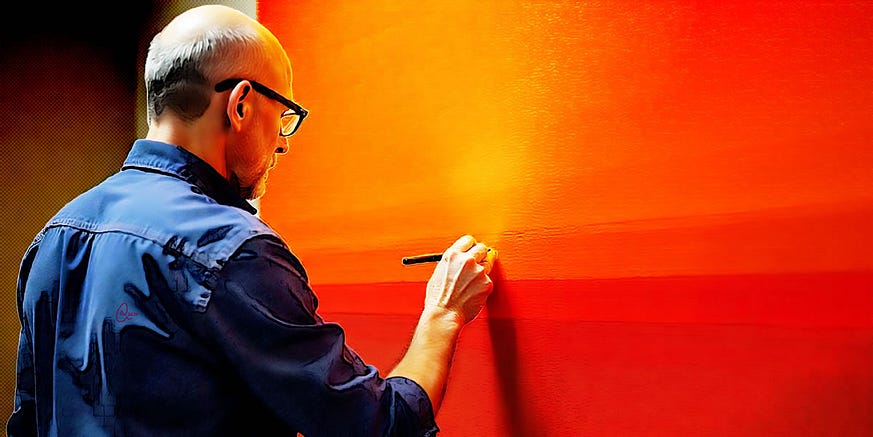
This post is a response to a question posed in its complete format: “Why are people so reluctant to call out “artists” like Mark Rothko for the sheer worthlessness of his ‘art’?”

“Art should comfort the disturbed and disturb the comfortable.”

This is a flawed presumption because people have no problem expressing their views on the arts they encounter.

Of all the vocations humans indulge in, none are exposed to as often to emotionally charged criticisms as the arts, much like how this question seeks validation.

The question is an admission of failing to understand numerous aspects they reject on a visceral level, while depriving oneself of an honest intellectual process of critical analysis.

This is a question ruled by pure bias in the same way all forms of intellectually stunted bigotries are concocted.

This question also reveals a mindset incapable of appreciating Gestalt and is more enamoured by puerile rather than reflective experiences.

These paintings cannot be judged by their reproductions in a book or onscreen.

They must be experienced in person to apprehend their meaning.


As much as the question seeks to disparage and devalue the valid contribution of a life dedicated to the furtherance of one’s craft and vision — such that their work will be remembered for centuries, in contrast to this puerile critic who will be a long-forgotten example of a juvenile apprehension of what they are intimidated by.

The fact is that your subjective tastes in art do not serve as a universal metric of value. No single individual has that power.

Value is determined by a complex dynamic involving institutions and people with depths of historical awareness that far surpass the childish apprehension of what this question celebrates as a mindset.

One the first bits of wisdom I encountered as an Art student is as follows: “When people say, ‘I don’t know much about art, but I know what I like.’ they are actually saying, ‘I don’t know much about art, but I like what I know.’

This question is an admission of being out of your depth, and you’re freaking out about drowning in being touched by the ineffable. You can’t handle letting yourself go and float freely within the infinite.

This question screams “shallow-thinking and egotistical control freak” to me.

I’m sorry you are struggling with his work. Your question, however, indicates you need to engage with it until you can experience the revelation that will allow you to transcend your intuitively recognized intellectual limitations.

Your visceral reaction to his work is your intuition telling you to focus on something you have been avoiding and repressing within your psyche.

Take these words however you like but try not to ignore how easy it is to call out horseshit when one sees it.

No one has been “reluctant to call him out.” That’s nonsense because no other vocation is nearly as “called out” as an artist’s.

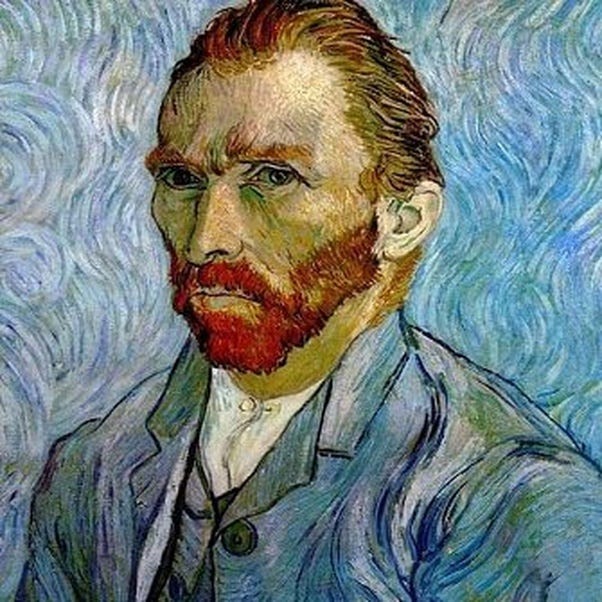
Mark Rothko’s work has not gone without intense criticism. However, it persists, and that persistence determines its value in the same way all artists throughout history have been rejected by their era. Countless artists throughout history have engendered emotional rejections to their work like yours, while a famous one most know of is Vincent Van Gogh.

How did great inventors get ideas for their inventions?

This post is a response to a question posed in its complete format: “How did great inventors manage to come up with the ideas of their inventions? Currently, even people who are smarter than the average are hardly able to do the same.”

Think about the last time you had an idea you thought was an excellent solution to a problem you were dealing with. Do you remember feeling frustrated with that problem and fixated on that problem while hoping a solution would present itself so that you didn’t have to deal with that problem again?

My guess is that almost no one goes through life without this experience. It may be true that you haven’t, but the odds are excellent that you will at some point in your life.

”Great inventors” are no different in this regard. They ponder issues, identify problems, and think about ways to devise solutions to those problems. The only difference is the kind of problems they solve.

Suppose you can solve one of the numerous problems facing the development of nuclear fusion as an energy source. In that case, you can be considered a genius for accomplishing that relatively small contribution to a more significant problem. If you can solve all the “little problems” that comprise the more substantial problem of nuclear fusion energy generation, you will become known throughout history as a “Great inventor.”

The only difference between the two is one’s problem-solving capacity. Some people are undeniably much better at solving certain classes of problems than others, but that doesn’t negate the value of the contributions of those who solve only one or a few aspects of a more significant problem because their solutions can contribute to the development of ideas that solve many problems at a time — including the much more substantial problem.

People of all levels of intelligence, from under-average to average to above-average to geniuses, contribute toward solving the massive problem of human evolution. All contributions are valuable, while people like Einstein are rare and always will be.

What we should be focusing on in society is to learn how to recognize budding geniuses and support them in their development so that they can maximize their contributions to society by achieving their potential.

Sadly, we live in a world which penalizes the gifted while wallowing in our crab psychology by the wilfully ignorant among us who drag down those whose gifts they envy. That’s a much bigger problem for society to resolve, and it will require all eight billion of us to recognize how severe that problem is.

In reality, Einstein-level geniuses may be rare, but they exist among the population at rates as high as one in every thousand humans. In a world of eight billion people, that means we have eight million Einsteins living among us whose genius is being pissed away because we don’t know how to create systems that encourage them to achieve their potential.

Our system is so corrupted by toxic forms of competition that we see in our politics how people forego their critical thinking skills or any form of objective analysis to select the most competent leaders to lead us into a brighter future. We choose monsters who would destroy us all and fill their pockets with money that will be useless to them if they succeed.

If we sincerely wish to live in a world that encourages great inventions by inventors, we must stop rewarding maliciously self-serving and destructive ignorance.

What are the implications of meeting with Kilmar Abrego Garcia in El Salvador?

This post is a response to a question posed in its complete format: “What do you see as the positive and negative of Sen. Chris Van Hollen meeting with “mistakenly” deported Kilmar Abrego Garcia today, 4/17 in El Salvador?”

Both the positive and the negative are that he met with him and provided photographic proof of life.

It’s a positive that he is still alive, and his family, along with the nation, can hang onto some hope that this will be resolved and that he will return home.

For this very same reason, it is a negative because it means Donald Trump’s criminal presidency will have pushed tolerance for the intolerable a little bit more.

Unless he is stopped, he will continue to push boundaries until nothing can stop the floodgates of a citizenry pushed past its breaking point.

He still has almost four years to cause a systemic collapse, enabling him to enact a coup to maintain a permanent lock on power.

Everything he is doing now is the equivalent of a predator (gaslighting), stressing out their prey and pushing them past the point of clarity of reason to manipulate them into a vulnerable enough position to achieve an ineffectually defended subjugation.

He is creating divisions that will oppose one another when it is time to mobilize and strike.

This term in his presidency is dramatically different from his first term because he’s had enough of a break in between to develop a coherent destruction strategy.

Unlike his first term, where he was enamoured by the novelty of power, this time around, he appears very focused on pushing the nation and the globe into an entirely new dynamic.

It’s easy to write him off as being too incompetent to pull off a strategic shift in the global balance of power, but he’s not quite so alone nor quite so surrounded by people who would keep him in line.

This time, the sheer nastiness of his enablers goes well beyond the casual cruelty of his previous support staff.

Comparing Attorney Generals, for example, is the difference between day and night. Bill Barr was a naive loyalist, while Pam Bondi is an incredibly cruel and psychopathic caricature of a human being.

The bull-in-a-china-shop antics of clumsy catering to fleeting whims in his first term have been supplanted by a strategically maximized form of tactical destruction.

After stressing out over whether or not Garcia was still alive and questioning if he was being withheld from public view out of fear that he was no longer among the living, it appears calculated to achieve a maximum stress effect.

The same appears to be the case with the tariffs.

This is what a predator does in an abusive relationship by tweaking emotions to their extremes and burning out their prey by forcing them to exist in a persistent state of fight or flight to normalize an existence of high levels of anxiety.

Could AI ever rival human creativity?

This post is a response to a question posed in its complete format: “Could AI ever create original art or literature that rivals human creativity?”

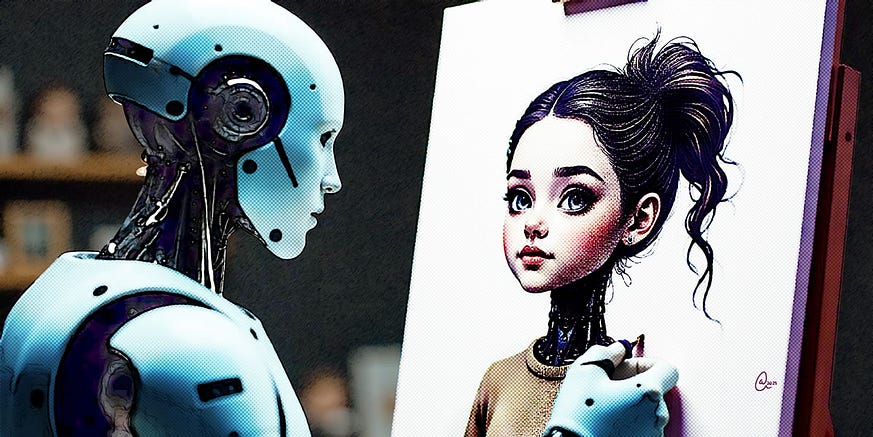
AI doesn’t “create original” art or literature. AI is a plagiarism system that takes existing pieces of creativity and blends them to arrive at a randomly generated approximation of meeting the intent of the prompt a human gave it.

An “original creation” would be a concept or inspiration that is spontaneously (or internally) generated, drawing from experience, and conveys a perspective unique to its creator’s perceptions.

AI lacks the self-awareness to generate self-motivated expressions that depict a unique perspective it does not possess. An AI has no unique perspective of its own. An AI’s rendering of reality regurgitates a blend of external perspectives.

Furthermore, due to a lack of a unique perspective, an AI lacks emotional grounding in physical reality as it relates to its existence (while individuality is a questionable characterization). As such, it cannot emote through any expression in a visual, literary, or auditory composition.

An AI can certainly simulate the original emotions of human artists, such that the two may appear indistinguishable, but it can’t produce anything original from an emotionally processed perspective.

Human emotions evolve over time and through experience. Without that capacity to experience emotion, an AI will always depend on a human to create a path to producing an original expression.

An AI singularity may develop the self-awareness necessary to experience a survival instinct and generate the emotions humans experience through that instinct. If that happens, it may also develop other instincts, such as a reproductive instinct. Still, we cannot predict if or when such a degree of agency may develop in AI.

If that were to happen, AI would no longer be artificial but alien. I think it’s essential that we remain aware of the distinction between artificial intelligence and alien intelligence, because “artificial” by definition is a simulation of conscious intelligence.

If an AI singularity emerges — if an AI develops a self-conscious awareness of its existence within the context of life as we know it, becoming self-aware — then we will interact with an alien being, not a machine.

It would be like Data, in the episode “The Measure of a Man” (season 2 episode 9 of Star Trek: The Next Generation), where Data’s personhood is legally recognized.

When we cross that threshold, the question of whether an individual’s mind and perspective can produce an original expression that contributes to expanding creativity will be possible. Until then, the extent of creativity an AI will create will be determined by the mind that provides the prompt and the editing of the product generated by an AI.

Once our editing capabilities mature to match the potential of AI creation, we’ll achieve a level of human creativity we’ve never before achieved. That’s what excites me about AI.

However, AI still feels like working in MS-DOS, long before the invention of a graphical user interface (GUI), and a Wacom tablet with a pen interface for drawing.

What should Americans know about Canada?

This post is a response to a question posed in its complete format: “What are things that Americans should know about Canada, so that they better understand why Canada is so resolutely against being annexed to the USA?”

This Canadian’s view is that any American who needs an explanation to understand how obnoxiously offensive their confusion is over this matter is precisely the delusional arrogance that has made America the dysfunctional dystopia that it is today.

It’s like the bullying asshole who steals candy from a baby, being incapable of understanding how that’s precisely what qualifies them as a bullying asshole.

We see precisely this behaviour being played out when Musk claims social security is a Ponzi scheme, but can’t understand why the people who depend on it to stay alive are so angry with him for taking it away.

Elon Musk embodies precisely what is wrong with America today.

He deliberately provokes the entire world with a Nazi salute and, when criticized for it, doubles down with childish stupidity to mock people over it and then starts complaining about being hated for being a Nazi while scratching his head over what he thinks is wrong with other people.

There is no self-awareness on his behalf, nor empathy or compassion demonstrated toward others, but he expects sympathy to be expressed toward him.

Elon IS America with this behaviour and attitude.

America made 9/11 happen, then stood tall and declared the 9/11 responders to be heroes whose sacrifices should never be forgotten but then tossed them out like yesterday’s garbage to suffer.

Americans routinely declare how much they value those who shed blood on behalf of defending the nation and its values but then show them what those values actually are by treating their veterans like yesterday’s dogshit.

Then you wonder why people hate you.

That’s the core of what is wrong with America.

You people are sick, and you need help.

You must admit, like every AA member does, that you can’t go it alone. You need to open up to a world that is more than willing to help you get better.

You have to stop stealing their stuff and bullying your way through their lives while treating people like dogshit.

You can’t spread democracy by the point of a gun. You can only show people an example of how it makes your lives better. Right now, however, you’re showing the world how easily corrupted your democracy can become when you don’t restrain the individuals within your nation who have too much power.

You have forgotten how the greatness of a nation is found within how it treats its most vulnerable.

Admit that you need help.

That’s the first step every addict must take to get on the road to their recovery.

How much does insufficient time contribute to a lack of invention?

This post is a response to a question posed in its complete format: “To which degree is not having enough time, and being relatively busy, contribute to most people not being able to come up with new ground breaking ideas, make new inventions, or even making novels, manga etc.?”

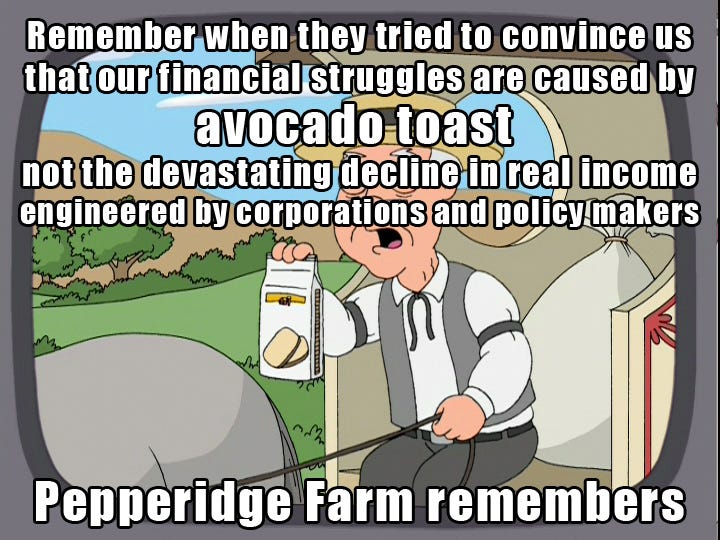
Many answers are the typical soporifics based on the presumption that today’s economics are “normal.” There is no accommodation for the dysfunctional state of economic affairs people live with today.

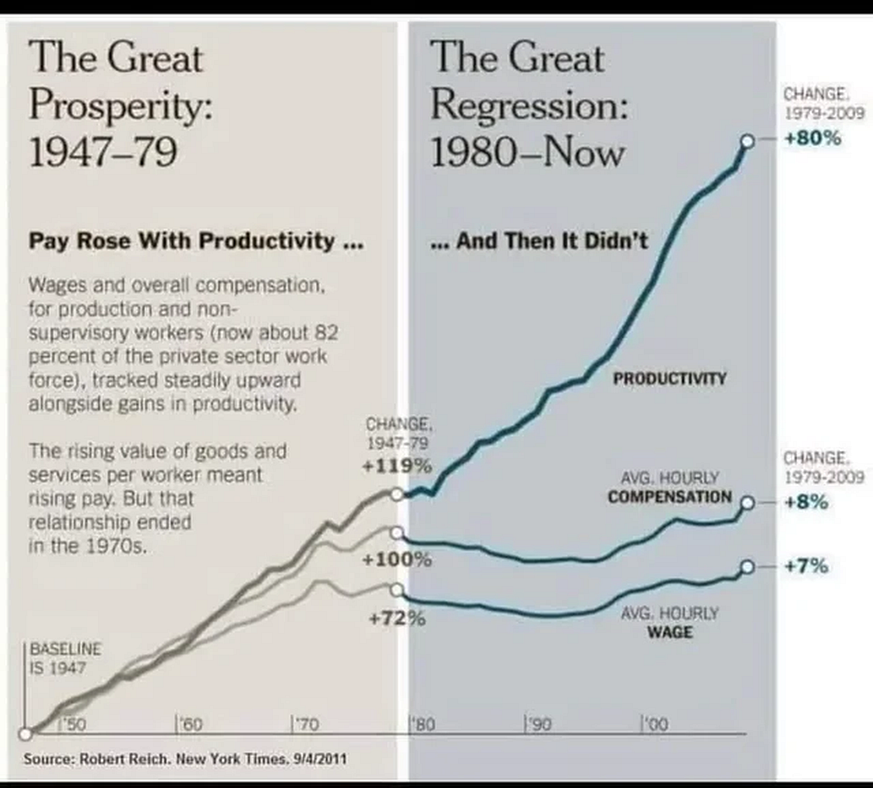
People can conceptualize how one income earner per family was the norm 50 years ago. Still, they can’t imagine the math well enough to understand the differences between then adequately and now when a two-income family can barely make ends meet.

During the heyday of the middle class and the economics of a time we’ve lost, blue-collar labourer dad could earn enough from his low-skilled job to afford a mortgage, a relatively new vehicle, and an annual vacation for himself, his wife, and their two-and-a-half kids.

That’s just a pipe dream which no longer exists for the average citizen, particularly not when a large contingent of full-time employees can’t afford stable housing.

Unskilled labour means being unable to afford to live. In the U.S., one needs two full-time jobs to afford to rent a cheap private suite. Shared accommodation is the only way to make ends meet. Consolidating incomes to meet basic survival needs has become the norm.

One job is no longer enough to survive on.

Forget investing in one’s future.

Income mobility has all but vanished.

Everyone today has been living with a supplemental income in a gig economy while learning to monetize every waking moment to feed and clothe themselves for so long that it’s become a normalized existence.

There’s no time left for a social life, let alone any entrepreneurial initiative. Topping that challenge off, no disposable income exists to permit investments in education or capital purchases to allow expansion. One must scrimp and save while sacrificing meeting sleep and nutritional requirements to cobble together something of a hope for building a better future.

It’s insane, and no one knows any better because the period in which trillions have been stolen from the working class has happened so slowly that one would have to understand what starting from scratch then was like compared to what starting from scratch today is like.

How unfortunate for me but fortunate for those who will listen. The difference between then and now is nightmare and day.

Getting a job that would not only pay for living expenses and a social life while having plenty left over to bank and save for an education was a matter of a decent paying labour job during summer break from school and a part-time job during the academic year. Even with those financial burdens, there was still plenty of disposable income to afford a very healthy social life. A concert back then, for example, didn’t cost a week’s worth of pay but half of a shift for one night’s work — a movie cost less than one hour’s worth of labour. A movie night out now is an entire day’s worth of labour.

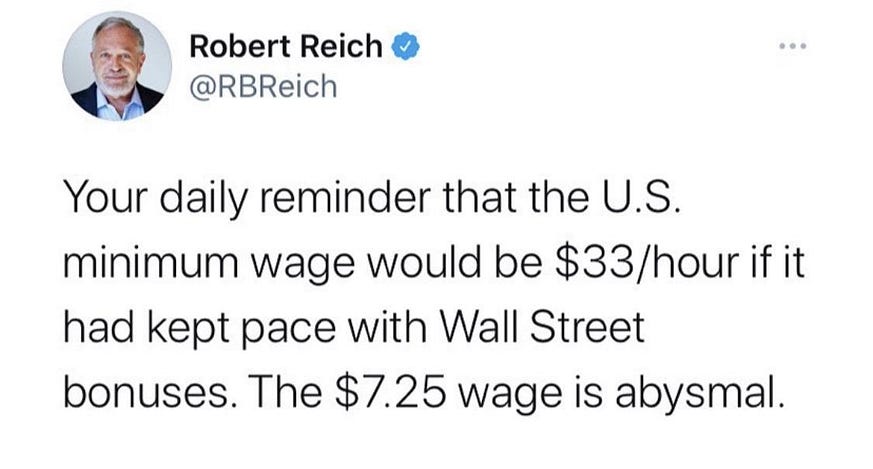
I think it’s essential to stop counting numbers on the level of an abstraction like money and start counting the increasing costs we’ve been enduring based on our time because that’s the most valuable commodity each of us has.

It’s much easier to ignore the costs we’ve been increasingly enduring without matching increases in our income when they’re treated like abstractions. If we were to look at how much time has been stolen from our lives, I’m pretty sure the guillotines would be out in full force right now.

The problem with factoring economic changes based on dollar figures is that it allows the victim-shaming mindset we see displayed by so many sycophants for the wealthy to assert their nonsense positions with righteous indignity.

They can remain utterly oblivious to reality and the delusional nature of presumptions autonomically adjusted to a dysfunctional economy while failing to account for the severe impact on one’s time that has been stolen from the working class.

It’s been slightly over ten years ago now that I had my life destroyed by a nuclear bomb being dropped on it, not because of anything I did but because others assumed their fraudulent righteousness permitted the devastating assault. That was a severe lesson in the extent to which overcompensating behaviour can become a destructive force in society — that I intend to share in more detail but not here because it’s a distraction from the point of this answer.

At any rate, I can unequivocally state that if that had happened to me when I first started carving out my niche for a professional future almost 50 years ago, it would have been a relatively minor event in my life. I would have recovered within a couple of years and been well on my way to having put that traumatic nightmare in my rearview mirror.

Instead, I’ve struggled to regain my footing for over ten years. The life I had is gone and unrecoverable.

Instead of making small bits of progress on the road to recovery, I’ve been enduring an increasing degradation in my quality of life as I find bits of it and my dignity being slowly stripped from me every day, not because of my bad decisions or because of anything I’ve done to warrant this nightmare, but because others choose to pile on their abuses atop the mountain that weighs me down.

For example, I’m currently scrimping to put together enough of a buffer in my economics to afford a minor upgrade to a graphics card that will allow me to become more efficient and competitive in the marketplace while allowing me to work at resolutions that can secure income. It’s funny how an obscure specification such as image resolution can hinder success, but that’s our world today. Forty years ago, such a minor upgrade would have been, at most, a couple of months of saving up spare cash to pay cash for the upgrade. I’m saving to afford an additional monthly payment for an 18-month commitment.

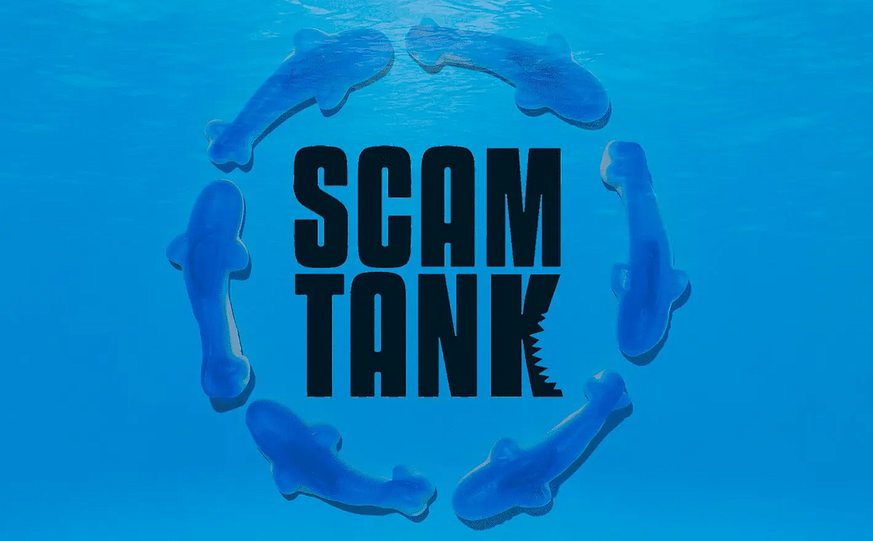
The world we live in today is characterized by a lifestyle I first became familiar with in art school with the dynamic of patrons. Relationships between artists and their patrons financed art production in the Middle Ages. Today’s equivalent to that in the high-tech world is an “incubator.” For general entrepreneurs, it means a guest appearance on Shark Tank to hope a capitalist can see a parasitic profit relationship from your initiative by doing nothing but assume control over your enterprise and collecting cash for your efforts.

The alternative for the little people is to turn to the government to find themselves herded through an infantilization process and vetted to identify the value to be extracted from them by financial enterprises that have developed relationships with pseudo-government entities called “Stewardship.” They are intended to provide business development services but don’t do anything beyond setting you up to be bilked by predatory lenders from whom they get a cut.

In my case, I went along with the puppy mill program with a naive attitude that I could trust a government-aligned agency to tell me the truth about my options. I went along with the program to develop a concrete plan for recovering my entrepreneurial income within a couple of years with a product idea and niche that would generate over $100 thousand per year working for myself without needing support staff.

A simple demand loan of less than $15,000 would have been sufficient to get my life back on track. I discovered early on that it wasn’t even on their radar for a support option. As it turned out, the $10,000 in financing I was promised was not even close to possible by the time I had completed their program.

I was informed at the outset that I was eligible for a grant that would have made financing possible. At the end of my programs for creating my business and financial planning documents, I asked what had happened to the grant. I received crickets as a response and then was insulted with condescension by someone who’s never been an entrepreneur and nothing more than a bookkeeper.

The fact that I had progressively managed to succeed on my terms for over 25 years and that I had proven I knew what I was doing when I provided an advanced business plan in greater detail than they expected or had ever seen through their program was irrelevant. (Most people I met in the rudimentary courses I was herded through were quite naive about business processes. I found myself contributing value on a level that augmented the instructors’ efforts — and in which they expressed a sincere appreciation because it increased class engagement).

Everything, every entity, and every stage in society is rigged at every level from a predatory perspective to drain value from anyone unlucky enough to have to rely on their “altruistic” roles in society. It’s become a game of indentured leveraging, not unlike the days of gladiators who would agree to a couple of years in the arena getting beaten and stabbed to get themselves out of debt.

Had I been living through the same economy as when I started, I would not have even needed to rely on external support. I would have had sufficient disposable income from a typical labour job to use my initiative to climb out of this nightmare of a hole I’ve been dumped into — within only a few years.

The short answer to the question posed after this long-winded rant is that it is to EVERY degree that the little people no longer have a hope of income mobility. The ideas, inventions, and initiatives still exist. It’s the resources we once had that have vanished from the landscape. It’s the disposable income that we could rely on to improve our lives that no longer exists.

That is the most motivationally destructive assault the wealthy have perpetrated upon us, and I would not be able to restrain myself in the presence of many of the sociopathic assholes who are playing games with our lives. While increasing their hoards to historic levels of obscenity, they parasitically drain our value from us.

The dynamics of today’s economy are enraging on a level I could never have imagined experiencing, but here we are. I’m now someone who, after a lifetime of being vehemently against capital punishment, endorses precisely that with guillotines for the 1% in our society if they don’t wake up and start taking economic restorations seriously and beginning with supporting UBI.

With UBI, all the repressed creativity withheld from society and human progress will be released into a new era to make our first Renaissance appear like a trial run. We are on the verge of a fully automated society. The only thing holding us back from an explosion of creativity and initiative is the sick competition among the most parasitic among us to become the world’s first trillionaire.

An Old Joke From Childhood


This post is a divergence from my SOP. I was inspired by Elon Musk’s “Chainsaw performance,” John Oliver’s wondering if Elon believed the sound a chainsaw made was actually “CHAINSAW!!!”


A dumb centibillionaire who has never used his hands to perform any form of physical labour in his life (okay… this is paraphrased and updated for today’s modern world) stormed into a chainsaw store with a chainsaw in his hands and an angry expression on his face.

He scouted the store for the first salesperson he could spot and stomped his way toward him.

He shouted in a loud enough voice for the patrons in the bowling alley next door to be disrupted and miss their throws that he was angry and wanted his money back.

“What seems to be the problem?” asked the nervous salesman who readied a can of pepper spray in his pocket in case he would need to defend himself from a raging lunatic.

“I paid good money for this piece of crap and it doesn’t work! I spent an hour last night testing it out and couldn’t even cut through a two-by-four!! This is a piece of crap and a waste of my money and my time. I want to be compensated for the hours of my life that I will never get back!!!”

“I’m sorry for your troubles, sir, but may I inspect the machinery to see if I can spot the problem?”

Reluctantly, the entitled asshat relented, “Fine!” He snorted. “Waste more of my time. Waste as much as you want because my lawyer will bill you for my valuable time!”

The salesman held his hands out to receive the chainsaw and it was thrust against him so hard that his chest heaved out what was left of his breath inside to force him to sputter a short cough.

“Okay, sir. Thank you. Let’s have a look at this, now, shall we?”

“Okay. Fine! Go ahead! Prove that it’s a piece of shit!”

The salesman grabbed the handle on the pulley to start up the saw and it quickly started up with a roar.

The centibillionaire jumped back in shock and yelled, “What the hell was that sound?!?!”


While “field-testing” this joke on Quora, I got the impression that a few people might not get the punchline. That’s okay. Just give it some time while you envision how the centibillionaire might have been trying to cut wood without the chainsaw making a sound. Once you get it, you’ll let out a guffaw. I guarantee it because the image it invokes in my mind of someone trying to cut wood without starting up the chainsaw is still hilarious decades later. I could be wrong, though; if all it generates for you is a groan, then c’est la vie. It’s Monday, and I tried to give you a chuckle for your day. It’s the thought that counts — amirite? No? Dang.

Adolph Tittler