
This post is a response to a question initially posed on Quora, and can also be accessed along with comments via “https://caseforatheism.quora.com/How-do-atheists-approach-ethical-dilemmas-without-religious-guidance-17“
The bonus question can also be accessed: “https://divineatheists.quora.com/Do-atheists-truly-believe-they-will-ever-silence-the-belief-in-Jesus-or-YHWH-49“
This atheist interprets ethics based on harm, like the Hippocratic Oath a doctor takes, “Do no harm.”
What passes for “religious guidance” isn’t resolving an ethical dilemma but following an instruction. In such a case, the issue can’t be considered an “ethical dilemma.”
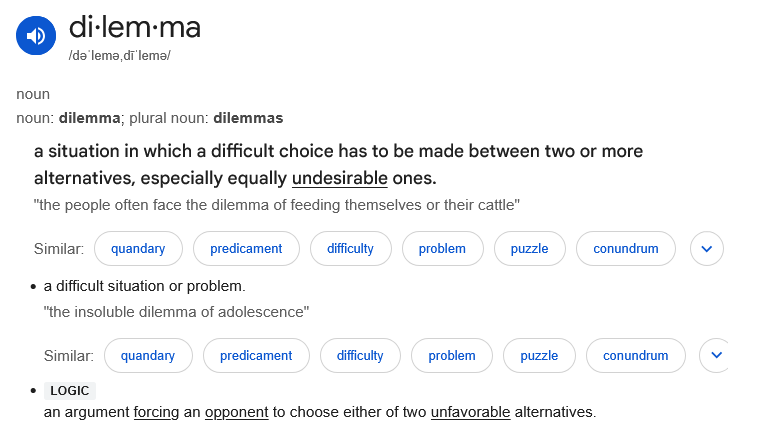
There is no dilemma if you can consult a rule book to instruct you on your direction.
The only “dilemma” a religious adherent faces is whether or not to follow their instructions.
Even if a believer is confronted with that choice, their ethics are still far from the issue that has otherwise been considered an “ethical dilemma.”
Is the choice to obey a command an “ethical dilemma” or an assertion of independent will that can allow someone to then honestly resolve the ethical dilemma which forced them to question their dogma?
This question is an example of why religion is toxic, how religious beliefs cloud critical thinking, the impact of religious dogma on ethical issues, and when the struggle with cognitive dissonance presents itself within the believer’s mindset, leading to a “crisis of faith.”
Bonus Question: Do atheists truly believe they will ever silence the belief in Jesus or YHWH?
Nice projection.
The reality, however, is that believers like yourself have a centuries-long history of silencing people under the threat of death.
Atheists are not interested in your beliefs, and that’s the point.
If you could keep your personal beliefs to yourself and refrain from imposing them on the world, there would be zero conflict.
Atheists, as a whole, don’t much care what other people choose to believe.
Most care about how people behave and behaviour like yours, as you post your nonsense question to make yourself appear like a victim, is just tasteless behaviour.
If you truly believed what you claim to think, you wouldn’t put on such a performance of how much you believe what you claim to believe.
Instead, your declaration of standing fast to your belief indicates your doubts to the world.
If you don’t understand how that works, reference how those in public offices who claim to share your religious beliefs as the basis for their disparagements of every sexual proclivity. Notice how all of the most vocal, be it against gay marriage or pedophilia, end up with them being busted for the sexual crimes they preach against.
Your announcement is just a way for you and intellectual cowards like you to deflect attention away from your guilt. In this case, your guilt is the cognitive dissonance you are struggling with because you don’t want to accept how you’ve been living a lie.
Instead of trying to strip you of your belief, this atheist recommends you see a mental health professional to help you overcome your anxieties and resolve the emotional angst that has prompted you to pose this pronouncement about yourself.
Keep your beliefs all you like. What you believe makes no difference to any atheist. What you say and do, though, is another matter altogether.
Good luck with all of that.
 thotbag
curius how these christians cant’ even agree on which version of their belief in jesus i s the right one.
LikeLike
Ya… I think it might have something to do with relying too much on their mirrors to get their references.
LikeLike
heh.
LikeLike